Embark on a journey into the world of smart homes, where innovation meets financial prudence. This exploration, “How to Save Money with Home Automation Devices,” unveils the transformative potential of these technologies, showing how they can significantly reduce your household expenses. We’ll delve into the inner workings of these devices, highlighting their efficiency and the unparalleled control they offer, while also examining the burgeoning popularity of smart homes and the compelling financial incentives driving their adoption.
From illuminating savings with smart lighting to controlling comfort and costs with intelligent thermostats, we will uncover the diverse ways home automation can trim your bills. We’ll also examine how smart plugs, water conservation systems, and security systems contribute to long-term financial benefits. Get ready to discover practical tips, real-world examples, and strategic insights to transform your home into a haven of efficiency and savings.
The Allure of Smart Savings
Smart home technology is rapidly transforming how we live, offering a compelling blend of convenience and cost-effectiveness. Home automation devices, from smart thermostats to intelligent lighting systems, present a significant opportunity to reduce household expenses. This shift is driven by a desire for greater control, efficiency, and, ultimately, financial savings.
Understanding Home Automation and Efficiency
Home automation devices operate by connecting to a central hub, often a smart speaker or dedicated control panel, which allows them to communicate and coordinate their functions. This interconnectedness enables homeowners to remotely monitor and manage various aspects of their home, leading to increased efficiency and reduced waste. The primary benefit is the ability to optimize energy consumption, which directly translates into lower utility bills.
Financial Incentives for Smart Home Adoption
The financial benefits of adopting smart home technology are a major catalyst for its growing popularity. Homeowners are increasingly drawn to the potential for significant cost savings, particularly in areas like energy and water consumption. Government incentives, such as rebates for energy-efficient appliances and tax credits for smart home upgrades, further sweeten the deal, making these technologies more accessible and financially attractive.
Examples of Savings with Home Automation
Smart home devices offer a variety of ways to reduce expenses. Here are some specific examples:
- Smart Thermostats: These devices learn your heating and cooling preferences and automatically adjust the temperature based on your schedule and presence, reducing energy consumption. A study by the U.S. Department of Energy found that smart thermostats can save homeowners an average of 10-12% on heating and 15% on cooling costs.
- Smart Lighting: Smart bulbs and lighting systems allow for remote control, dimming, and scheduling. This enables users to turn off lights automatically when rooms are unoccupied and to adjust lighting levels to conserve energy. For instance, switching to LED smart bulbs, which consume up to 75% less energy than incandescent bulbs, can significantly lower electricity bills.
- Smart Plugs: These devices allow you to monitor and control the power consumption of individual appliances. They can be used to turn off “phantom loads” – the energy consumed by devices even when they’re not in use – which can account for a surprising amount of wasted energy.
- Smart Water Sensors: These sensors detect leaks and water usage patterns, helping to prevent water waste and costly damage from leaks. Early detection of leaks can prevent significant water bill increases and potential structural damage.
Real-World Savings: Case Studies
Numerous case studies and real-world examples demonstrate the tangible financial benefits of home automation.
- Case Study 1: A family in California installed a smart thermostat and smart lighting system. Over a year, they reported a 15% reduction in their electricity bill and a 10% decrease in their natural gas bill, resulting in savings of several hundred dollars annually.
- Case Study 2: A homeowner with a large property in a colder climate implemented a comprehensive smart home system, including smart thermostats, automated window coverings, and smart irrigation. Their energy bills decreased by approximately 20%, and their water bill dropped by 15%, leading to substantial yearly savings.
Long-Term Investment and Return
While there is an initial investment associated with purchasing and installing smart home devices, the long-term return on investment (ROI) is often considerable. The savings on utility bills, combined with potential increases in home value, make smart home technology a financially sound decision for many homeowners. The lifespan of these devices, often several years, further enhances the ROI, making it an increasingly attractive option for those seeking to reduce their household expenses.
Smart Lighting: Illuminating Savings
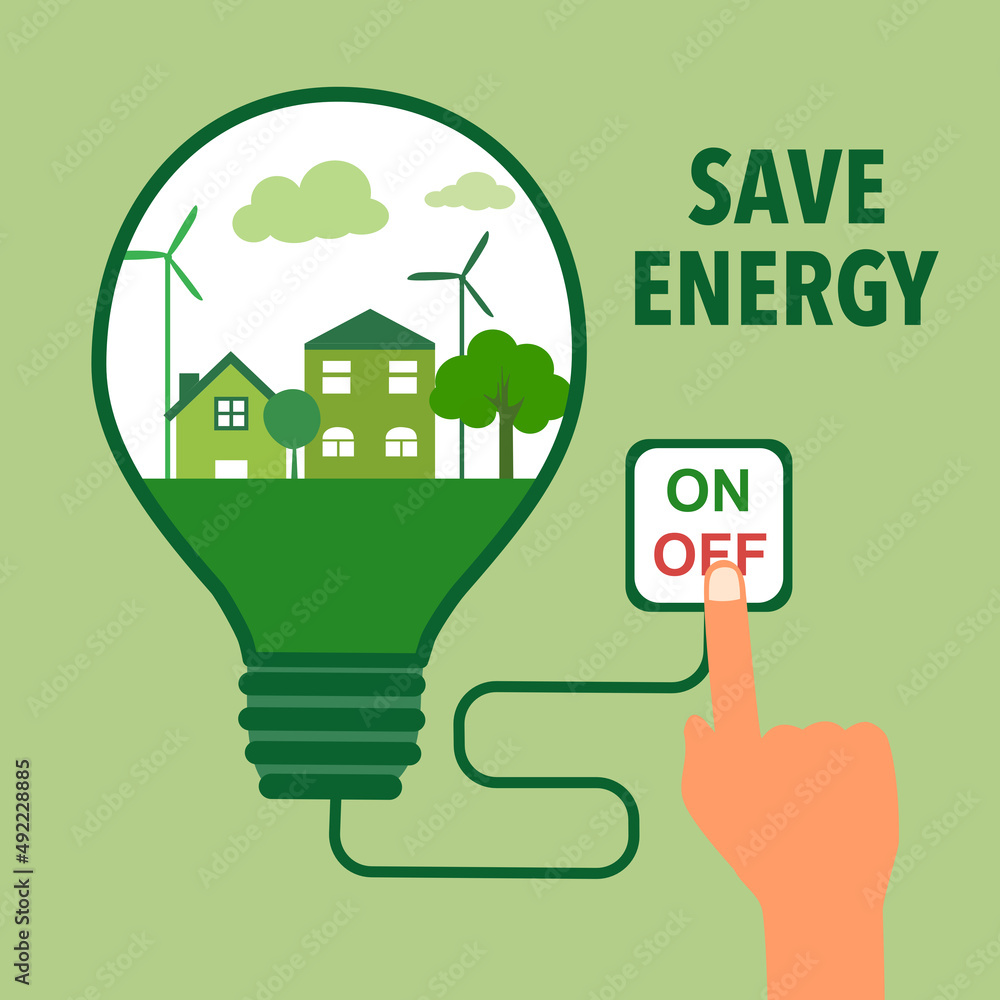
Smart lighting offers a significant avenue for reducing energy consumption and, consequently, lowering your electricity bills. By intelligently controlling your lights, you can minimize waste and optimize usage based on your needs and the environment. This section will delve into the practical applications of smart lighting and how it can translate into tangible financial benefits.
Minimizing Energy Consumption with Smart Bulbs and Systems
Smart bulbs and lighting systems are designed to be energy-efficient. Unlike traditional incandescent bulbs, which convert most of their energy into heat, smart bulbs, particularly LED (Light Emitting Diode) options, are significantly more efficient.
- LED Technology: LED bulbs consume considerably less power than traditional incandescent or even halogen bulbs. They can use up to 75% less energy and last up to 25 times longer. This inherent efficiency is the foundation of energy savings with smart lighting.
- Connectivity and Control: Smart lighting systems allow for precise control over your lights. You can easily turn lights on or off remotely, adjust brightness levels, and set schedules, all contributing to reduced energy waste.
- Energy Monitoring: Many smart lighting systems provide real-time energy consumption data. This feature enables you to track your lighting usage and identify areas where you can further optimize your energy consumption habits.
Optimizing Lighting Usage with Timers, Sensors, and Dimming Features
Smart lighting goes beyond simple on/off control. Advanced features allow for nuanced management of your home’s illumination, maximizing efficiency.
- Timers and Schedules: You can set timers to automatically turn lights on and off at specific times. This is particularly useful for outdoor lighting, such as porch lights, which can be scheduled to turn on at dusk and off at dawn, eliminating unnecessary energy use during daylight hours.
- Motion Sensors: Motion sensors can be integrated with smart lighting to activate lights only when movement is detected. This is ideal for hallways, closets, and other areas where lights are not needed constantly, ensuring lights are only on when occupied.
- Dimming Features: Smart bulbs and lighting systems offer dimming capabilities, allowing you to adjust the brightness of your lights. Lowering the brightness reduces energy consumption. For example, a bulb dimmed to 50% brightness consumes approximately half the energy it would at full brightness.
- Ambient Light Sensors: Some smart lighting systems incorporate ambient light sensors. These sensors can automatically adjust the brightness of your lights based on the amount of natural light available, further optimizing energy usage.
Cost Comparison: Smart Lighting vs. Traditional Lighting
The initial investment in smart lighting may be higher than traditional lighting. However, the long-term savings in energy consumption and bulb replacement costs often make smart lighting a more economical choice. The following table compares the estimated costs over a period of time. The data provided is for illustrative purposes only and can vary depending on the specific products, energy costs, and usage patterns.
| Feature | Traditional Incandescent/Halogen | Traditional LED | Smart LED | Notes |
|---|---|---|---|---|
| Initial Bulb Cost (per bulb) | $2 – $5 | $5 – $10 | $10 – $25 | Price varies based on brand, features, and retailer. |
| Annual Energy Consumption (per bulb, assuming 4 hours/day) | Approximately 219 kWh | Approximately 44 kWh | Approximately 44 kWh (variable based on usage and dimming) | Based on 60W incandescent, 9W LED. Smart LED consumption can be less. |
| Average Bulb Lifespan | 1,000 hours (approx. 1 year) | 25,000 hours (approx. 5 years) | 25,000 hours (approx. 5 years) | Lifespan estimates are averages and may vary. |
| Estimated Annual Electricity Cost (per bulb, at $0.15/kWh) | $32.85 | $6.60 | $6.60 (variable, can be lower with smart features) | Based on the provided energy consumption. |
| Estimated Cost Over 5 Years (per bulb, including bulbs and electricity) | $187.25 (bulb replacements + electricity) | $58.00 (bulb replacements + electricity) | $81.00 (bulb replacements + electricity) | This calculation does not account for additional features. |
The cost analysis illustrates that while smart LEDs have a higher upfront cost, the long-term savings from reduced energy consumption and longer bulb life can offset the initial investment, especially when factoring in the added benefits of control and automation. The use of features like dimming and timers can further reduce the energy costs associated with smart lighting.
Intelligent Thermostats: Controlling Comfort, Controlling Costs

Smart thermostats represent a significant advancement in home automation, offering a sophisticated approach to managing your home’s climate. These devices go beyond simple temperature control, leveraging intelligence and connectivity to optimize energy usage and enhance comfort. By understanding user behavior and environmental factors, they create a personalized and efficient heating and cooling experience.
Learning and Adaptation of Smart Thermostats
Smart thermostats utilize a variety of sensors and algorithms to learn and adapt to your lifestyle. This learning process typically involves observing your temperature preferences, occupancy patterns, and the thermal characteristics of your home. Over time, the thermostat builds a profile of your habits, automatically adjusting the temperature to meet your needs while minimizing energy consumption.The process of learning and adaptation generally unfolds as follows:
- Initial Setup and Data Collection: The user sets the desired temperature preferences. The thermostat begins to collect data on temperature settings, time of day, and room occupancy.
- Pattern Recognition: The thermostat’s algorithms analyze the collected data to identify patterns in your heating and cooling needs. This includes recognizing regular schedules, such as when you are typically home or away.
- Predictive Behavior: Based on the learned patterns, the thermostat anticipates your needs and adjusts the temperature accordingly. For instance, it might pre-heat or pre-cool the house before you arrive home.
- Continuous Optimization: The thermostat continuously monitors and refines its understanding of your behavior and environmental conditions. It adjusts its programming as your habits change or as seasons shift.
Energy-Saving Features of Smart Thermostats
Smart thermostats are packed with features designed to help you save energy and reduce your utility bills. These features often work in tandem to provide a comprehensive approach to energy management.Key energy-saving features include:
- Geofencing: This feature uses your smartphone’s location to determine when you are approaching or leaving your home. When you leave, the thermostat automatically adjusts to an energy-saving setting, and when you return, it starts to heat or cool your home to your preferred temperature.
- Remote Access: Most smart thermostats allow you to control your home’s temperature from anywhere using a smartphone app or web interface. This enables you to make adjustments on the go, such as turning down the heat if you’re unexpectedly delayed or turning up the air conditioning before you arrive home.
- Smart Scheduling: You can program your thermostat with a schedule that automatically adjusts the temperature based on your daily or weekly routines. For example, you can set it to lower the temperature while you’re at work and raise it shortly before you return.
- Energy Usage Reports: Many smart thermostats provide detailed reports on your energy consumption, allowing you to track your usage patterns and identify areas where you can save more energy.
- Smart Home Integration: Some smart thermostats integrate with other smart home devices, such as door and window sensors. If a window is open, the thermostat can temporarily suspend heating or cooling to avoid wasting energy.
Real-World Examples of Energy Bill Reductions
Homeowners have experienced significant energy savings by implementing smart thermostats. The extent of these savings varies depending on factors such as climate, home size, and usage patterns. However, numerous case studies and real-world examples demonstrate the potential for substantial reductions in energy bills.Here are some examples:
- Nest Thermostat Case Study: Google (Nest) has published data suggesting that their smart thermostat can save users an average of 10-12% on heating bills and 15% on cooling bills. These savings are achieved through the features previously mentioned, such as geofencing and smart scheduling.
- Energy Star Certification: Smart thermostats that have earned the Energy Star certification have been independently tested and verified to meet stringent energy efficiency criteria. According to the U.S. Environmental Protection Agency (EPA), using an Energy Star-certified smart thermostat can save homeowners an average of $50 per year on their energy bills.
- Homeowner Testimonials: Many homeowners have shared their experiences with smart thermostats, reporting significant reductions in their energy bills. For instance, one homeowner in a cold climate reported saving approximately $200 per year on their heating costs after installing a smart thermostat. Another homeowner in a warmer climate reported similar savings on their cooling bills.
- Utility Company Rebates: Many utility companies offer rebates or incentives for installing smart thermostats. These programs are designed to encourage energy conservation and can further reduce the cost of adopting this technology.
Smart Plugs: Powering Down Waste
Smart plugs offer a practical and accessible entry point into home automation, providing a simple yet effective means of managing energy consumption. These devices allow homeowners to remotely control the power supply to various appliances and electronics, contributing significantly to energy savings and reducing environmental impact. By strategically deploying smart plugs, individuals can gain greater control over their energy bills and minimize wasted electricity.
Monitoring and Controlling Energy Consumption
Smart plugs excel at monitoring and controlling the energy usage of connected devices. They provide real-time data on how much power an appliance is consuming, enabling users to identify energy-hungry devices and make informed decisions about their usage.The functionality of smart plugs includes:
- Real-time Energy Monitoring: Smart plugs often feature built-in energy meters that track the power consumption of connected devices. This data is typically displayed in a companion app, providing a clear view of energy usage over time.
- Remote Control: Users can remotely turn devices on or off using a smartphone app or voice commands (if integrated with a voice assistant like Alexa or Google Assistant).
- Scheduling: Smart plugs allow users to schedule devices to turn on or off at specific times or based on predefined routines. This is particularly useful for appliances that don’t need to run continuously.
- Usage Alerts: Some smart plugs can send notifications when a device exceeds a certain power consumption threshold, alerting users to potential issues or excessive energy use.
This comprehensive control empowers homeowners to optimize their energy usage, contributing to significant savings and a reduced carbon footprint.
Eliminating Phantom Loads with Smart Plugs
Phantom loads, also known as vampire power, are the electricity consumed by devices that are turned off but still plugged in. These devices continue to draw power, adding to energy bills unnecessarily. Smart plugs provide an effective solution for eliminating phantom loads.Here’s a scenario illustrating how smart plugs can be used:Imagine a home entertainment system consisting of a television, a soundbar, a gaming console, and a cable box.
Even when these devices are “off,” they often continue to draw power. By plugging all of these devices into a single smart plug, the homeowner can:
- Eliminate Phantom Load: When the entertainment system isn’t in use, the smart plug can be remotely turned off, completely cutting off the power supply and eliminating phantom load.
- Scheduled Power-Down: The smart plug can be scheduled to turn off automatically at night and during the day when the entertainment system is typically not in use.
- Cost Savings: By eliminating phantom loads, the homeowner can save a noticeable amount on their electricity bill. Even small amounts of savings from each device add up over time.
This scenario demonstrates the effectiveness of smart plugs in tackling phantom loads and achieving tangible energy savings.
Setting Up and Using Smart Plugs Effectively
Setting up and using smart plugs is generally a straightforward process. By following these steps, users can easily integrate smart plugs into their homes and start saving energy.
- Choose the Right Smart Plug: Select a smart plug that is compatible with your home’s Wi-Fi network and your preferred smart home ecosystem (e.g., Amazon Alexa, Google Assistant, Apple HomeKit). Consider features such as energy monitoring, surge protection, and outdoor-rated models for specific needs.
- Install the Companion App: Download and install the manufacturer’s companion app on your smartphone or tablet. This app will be used to control and monitor the smart plug.
- Connect the Smart Plug to Your Wi-Fi: Plug the smart plug into a wall outlet and follow the app’s instructions to connect it to your home’s Wi-Fi network. This typically involves entering your Wi-Fi password.
- Name and Group the Smart Plug: Give the smart plug a descriptive name (e.g., “TV,” “Lamp”) to easily identify it in the app. You can also group multiple smart plugs together to control them simultaneously.
- Plug in Your Devices: Plug the appliances or electronics you want to control into the smart plug.
- Test the Smart Plug: Use the app to turn the device on and off remotely to ensure it’s working correctly.
- Set Up Schedules and Automations: Use the app to create schedules for turning devices on and off automatically. You can also set up automations based on time of day, sunrise/sunset, or other triggers.
- Monitor Energy Consumption (if applicable): If your smart plug has energy monitoring capabilities, review the data in the app to track energy usage and identify areas for improvement.
Water Conservation with Smart Devices

Conserving water is crucial for both environmental sustainability and reducing household expenses. Smart home technology offers innovative solutions to manage water usage effectively, minimizing waste and promoting responsible consumption. Integrating these technologies can lead to significant long-term savings and contribute to a greener lifestyle.
Smart Water Sensors and Irrigation Systems
Smart water sensors and irrigation systems provide advanced methods for monitoring and controlling water usage. These devices leverage data and automation to optimize water application, preventing overwatering and detecting leaks.Smart water sensors, often placed in strategic locations like basements or near appliances, continuously monitor for leaks or unusual water activity. They can detect even small leaks, such as a dripping faucet or a slow pipe leak, which can lead to significant water loss over time.
When a leak is detected, the sensor can send alerts to the homeowner via a smartphone app, allowing for prompt action to prevent further damage and conserve water.Smart irrigation systems, on the other hand, go beyond simple timers. They utilize various inputs, including local weather data, soil moisture sensors, and plant type information, to determine the optimal watering schedule for a lawn or garden.
These systems automatically adjust watering duration and frequency based on real-time conditions, ensuring plants receive the necessary water without overwatering. For instance, if rain is predicted, the system can automatically skip a watering cycle, preventing water waste.
Comparison of Irrigation Methods
Traditional irrigation methods often rely on manual timers or fixed schedules, leading to inefficient water usage. Smart irrigation systems, in contrast, offer significant advantages in terms of water savings and cost reduction.
| Feature | Traditional Irrigation | Smart Irrigation | Benefits |
|---|---|---|---|
| Water Usage | Typically uses a fixed watering schedule, often leading to overwatering or underwatering, depending on weather conditions. | Adjusts watering based on real-time data like weather forecasts, soil moisture, and plant needs. | Reduces water waste by up to 50% or more. |
| Cost | Lower upfront cost but higher long-term costs due to water waste. | Higher upfront cost but lower long-term costs due to reduced water bills. | Can pay for itself within a few years through water bill savings. |
| Maintenance | Requires manual adjustments and regular monitoring. | Requires minimal maintenance; often controlled remotely via a smartphone app. | Less time spent on garden maintenance. |
| Environmental Impact | Contributes to water waste and potential runoff, leading to environmental damage. | Minimizes water waste, conserving water resources, and reducing runoff. | Supports sustainable water management practices. |
Integrating Smart Water Devices
Integrating smart water devices into a home water management system involves a few key steps. This can create a comprehensive approach to water conservation.
- Assessment: Evaluate current water usage patterns by reviewing water bills and identifying potential areas of waste. Consider the size of the lawn or garden, the types of plants, and the local climate.
- Installation: Install smart water sensors in areas prone to leaks, such as under sinks, near water heaters, and in basements. Install a smart irrigation controller and connect it to existing sprinkler systems. Install soil moisture sensors in the lawn or garden.
- Connectivity: Connect all smart devices to a home network, typically through Wi-Fi. This enables remote control and data monitoring via a smartphone app or a central smart home hub.
- Automation: Configure the smart irrigation system to automatically adjust watering schedules based on weather data, soil moisture levels, and plant needs. Set up alerts for water sensors to notify the homeowner of any leaks or unusual water activity.
- Monitoring: Regularly monitor water usage data through the smartphone app or smart home hub. Review the data to identify areas for further optimization and ensure the system is functioning correctly. Adjust settings as needed based on changing conditions and plant needs.
For example, a homeowner in a region with frequent rainfall might program their smart irrigation system to skip watering cycles automatically during rainy periods. The system might also use historical weather data to predict water needs and adjust watering schedules accordingly. A smart water sensor can detect a leak in a pipe, sending an immediate notification to the homeowner, who can then take prompt action to prevent further water loss.
Security Systems: Protecting Assets, Saving Money

Smart home security systems offer more than just peace of mind; they also provide significant opportunities for financial savings. By proactively deterring crime and mitigating potential damage, these systems can contribute to long-term cost reductions, making them a valuable investment for homeowners.
Deterring Theft and Reducing Insurance Premiums
Smart security systems play a crucial role in deterring theft and vandalism. These systems incorporate various features that contribute to home protection.
- Visible Deterrents: The presence of security cameras, alarm system signs, and other visible components can discourage potential intruders. A study by the University of North Carolina at Charlotte found that visible security measures significantly reduced the likelihood of burglaries.
- Early Detection: Smart sensors detect unauthorized entry through doors and windows. This immediate notification allows homeowners and authorities to respond quickly.
- Remote Monitoring: Homeowners can monitor their property remotely via smartphone apps, enabling them to view live video feeds, receive alerts, and even communicate with visitors.
Insurance companies often recognize the value of smart security systems by offering discounts on homeowner’s insurance premiums. The amount of the discount can vary depending on the insurer and the specific features of the security system. Generally, systems with professional monitoring and features like fire and carbon monoxide detection qualify for larger discounts. For instance, some insurers may offer a discount of up to 20% on home insurance premiums for homes with professionally monitored security systems.
Detecting and Preventing Home Damage
Smart security systems go beyond just protecting against intruders. They also incorporate features that can detect and prevent home damage, leading to significant savings.
- Water Leak Detection: Smart water sensors can be placed near potential leak points, such as under sinks, near water heaters, and in basements. These sensors alert homeowners to leaks early, preventing costly water damage.
- Temperature Monitoring: Some systems monitor the temperature in the home. This can help prevent frozen pipes in cold weather, another major cause of home damage and expense.
- Smoke and Carbon Monoxide Detection: Integrated smoke and carbon monoxide detectors alert homeowners to potential hazards, allowing for quick response and preventing fire damage and health risks.
Early detection of issues such as leaks or potential hazards minimizes damage and prevents costly repairs. For example, a small water leak that goes undetected can lead to significant mold growth and structural damage, potentially costing thousands of dollars to repair. The ability of smart systems to quickly identify and address these issues can save homeowners a considerable amount of money in the long run.
Long-Term Financial Benefits of Investment
Investing in a smart security system offers several long-term financial benefits.
- Increased Home Value: A home with a smart security system is often seen as more valuable and desirable by potential buyers. This can result in a higher selling price when the time comes to sell the property.
- Reduced Repair Costs: By preventing damage from theft, water leaks, and other incidents, smart security systems reduce the need for costly repairs.
- Lower Insurance Premiums: As mentioned earlier, insurance discounts contribute to ongoing savings on home insurance costs.
Consider a scenario where a homeowner invests in a comprehensive smart security system. Over time, the system helps prevent a burglary, averting the loss of valuable possessions and the cost of repairing damaged property. Furthermore, the homeowner benefits from reduced insurance premiums each year. These cumulative savings, coupled with the potential for a higher resale value, can make the initial investment in a smart security system a financially sound decision.
Energy Monitoring and Reporting: Tracking Your Progress

Smart home technology offers powerful tools for understanding and managing your energy consumption. By integrating energy monitoring and reporting features, you gain unprecedented insights into where your energy dollars are going, enabling you to make informed decisions and significantly reduce your utility bills. This allows for a proactive approach to energy efficiency, moving beyond guesswork to data-driven optimization.
Benefits of Smart Home Energy Monitoring
Smart home energy monitoring systems provide a comprehensive view of your energy usage, offering numerous advantages over traditional methods. These benefits translate directly into savings and a more sustainable lifestyle.
- Real-time Data: Smart devices provide instantaneous data on energy consumption, allowing you to see how much power each appliance is using at any given moment. This immediate feedback helps identify energy-guzzling devices.
- Detailed Reporting: The systems generate detailed reports, breaking down energy usage by appliance, time of day, and even specific days or weeks. This granularity allows for precise analysis.
- Historical Analysis: You can track energy consumption trends over time, identifying patterns and seasonal variations. This historical data is crucial for long-term energy management.
- Automated Alerts: Set up alerts to notify you of unusual energy consumption, such as when a device is left on for an extended period or when energy usage exceeds a predefined threshold.
- Remote Access: Access energy usage data and control devices from anywhere using a smartphone or computer. This empowers you to make adjustments even when you’re away from home.
Interpreting Energy Usage Data
Understanding how to read and interpret the data provided by your smart home energy monitoring system is crucial for making effective changes. The data can reveal hidden inefficiencies and areas for optimization.
- Identify High-Consumption Appliances: Look for appliances that consistently consume a large amount of energy. Refrigerators, air conditioners, and electric heaters are often significant contributors.
- Analyze Peak Usage Times: Identify when your energy consumption is highest. This typically occurs during peak hours when electricity rates are also higher.
- Compare Usage Across Time Periods: Compare your energy usage across different months or seasons to identify trends and variations. This can help you understand the impact of weather on your energy consumption.
- Assess the Impact of Changes: After making adjustments, such as replacing old appliances or changing your habits, monitor the data to see the impact of your changes.
- Understand Standby Power Consumption: Identify devices that consume energy even when turned off (phantom loads). Smart plugs can help mitigate this waste.
Making Informed Decisions About Energy Consumption
The data from your smart home energy monitoring system empowers you to make informed decisions that can significantly reduce your energy consumption and save you money. These decisions involve adjusting your habits, optimizing your appliance usage, and considering upgrades.
- Adjust Your Habits: Turn off lights when leaving a room, unplug chargers when not in use, and adjust your thermostat to optimize energy use.
- Optimize Appliance Usage: Run appliances like dishwashers and washing machines during off-peak hours to take advantage of lower electricity rates.
- Upgrade to Energy-Efficient Appliances: Replace older, less efficient appliances with newer models that are Energy Star certified. This is a long-term investment that yields significant savings.
- Use Smart Plugs: Plug electronics into smart plugs to remotely turn them off when not in use, eliminating standby power consumption.
- Implement Automation: Use smart home automation to automatically turn off lights and appliances when a room is unoccupied or at specific times.
Example Energy Usage Report
Date Range: July 1 – July 31, 2024
Total Energy Consumption: 1200 kWh
Appliance Breakdown:
- Air Conditioner: 450 kWh (37.5%)
- Refrigerator: 200 kWh (16.7%)
- Lighting: 150 kWh (12.5%)
- Water Heater: 100 kWh (8.3%)
- Other Appliances: 300 kWh (25%)
Peak Usage Time: 6:00 PM – 8:00 PM daily
Actionable Insights:
- Air conditioner accounts for the largest portion of energy consumption. Consider setting the thermostat a few degrees higher during peak hours or using a smart thermostat to optimize usage.
- Lighting is a significant contributor. Switching to LED bulbs and automating lighting controls can reduce consumption.
Smart Home Automation and DIY Projects
Home automation offers a wealth of opportunities to not only enhance convenience and security but also to significantly reduce household expenses. Beyond purchasing pre-built smart devices, the DIY route provides a cost-effective and customizable approach to integrating energy-saving features into your home. This section explores the possibilities of DIY home automation projects, guiding you through building your own smart energy-saving system.
DIY Projects Combining Home Automation with Cost-Saving Strategies
DIY projects allow homeowners to tailor smart home solutions to their specific needs and budget. They offer a hands-on approach to learning about home automation technologies and understanding how they can be applied to conserve energy and save money.
- Smart Lighting Control: Implementing smart lighting using platforms like Raspberry Pi or Arduino can automate lights based on occupancy, time of day, or ambient light levels. This reduces energy consumption by ensuring lights are only on when and where they are needed.
- Automated Thermostat Control: Building a smart thermostat allows for precise temperature control, optimizing heating and cooling schedules. This can be achieved by integrating temperature sensors with a microcontroller to manage HVAC systems.
- Smart Plug Integration: DIY smart plugs can be created using microcontrollers and relays, allowing for remote control and monitoring of appliance power usage. This helps identify energy-hungry devices and automate their operation to reduce standby power consumption.
- Water Leak Detection Systems: DIY water leak detection systems can be built using water sensors and microcontrollers. These systems alert homeowners to leaks, preventing water waste and potential damage.
Building a Smart Home Project for Reducing Energy Costs
Creating a smart home system that focuses on energy savings involves a combination of hardware, software, and strategic implementation. The core of such a system is a central hub or controller that manages all connected devices.
- Hardware Components: The project will require a microcontroller like an Arduino or Raspberry Pi, which acts as the central processing unit. Sensors such as temperature sensors, light sensors, and power meters will provide data. Smart plugs, relays, and switches will be used to control appliances and lighting.
- Software and Programming: Programming the microcontroller involves writing code to collect data from sensors, process it, and control the connected devices. Open-source platforms like Home Assistant or Node-RED can be used to create a user interface and automate tasks.
- Implementation Steps:
- Planning: Define the energy-saving goals and identify devices to be controlled.
- Hardware Setup: Connect the sensors, relays, and smart plugs to the microcontroller.
- Software Configuration: Install the necessary software and configure the user interface.
- Programming: Write the code to control the devices based on sensor data and schedules.
- Testing and Optimization: Test the system and make adjustments to optimize energy savings.
Integrating Multiple Devices to Create a Comprehensive Energy-Saving System
A comprehensive energy-saving system integrates multiple smart devices to work together seamlessly. This allows for a holistic approach to energy management, maximizing savings and efficiency.
- Lighting and Thermostat Integration: Combine smart lighting with a smart thermostat. For instance, when the system detects that no one is home, it can automatically dim the lights and lower the thermostat temperature.
- Smart Plug and Energy Monitoring: Use smart plugs to monitor the energy consumption of appliances and identify devices that consume the most power. The data can be analyzed to determine the best times to operate appliances and minimize energy usage.
- Automated Blinds and Natural Lighting: Integrate automated blinds or curtains with light sensors. The system can adjust the blinds based on the time of day and sunlight levels, reducing the need for artificial lighting and minimizing heat gain or loss.
- Example Scenario: Consider a homeowner who installs smart lighting, a smart thermostat, and smart plugs. The system can automatically turn off lights in unoccupied rooms, adjust the thermostat based on occupancy and time of day, and turn off appliances that are not in use. This integrated approach results in significant energy savings.
Budgeting and Planning for Smart Home Upgrades
Investing in smart home technology can significantly improve your home’s efficiency and comfort, but it’s crucial to approach these upgrades with a well-defined budget and a clear understanding of your needs. Careful planning ensures you maximize your investment and avoid overspending.
Creating a Budget for Smart Home Device Purchases
Establishing a realistic budget is the cornerstone of a successful smart home upgrade. This involves assessing your current financial situation, defining your priorities, and researching the costs of various devices.To effectively create a budget, consider the following steps:
- Assess Your Financial Situation: Determine how much you can realistically allocate to smart home upgrades. Review your monthly income, expenses, and savings to identify a comfortable budget range. Consider both immediate and long-term financial goals.
- Define Your Priorities: Identify which smart home features are most important to you. Do you prioritize energy savings, security, convenience, or entertainment? This helps you allocate your budget effectively.
- Research Device Costs: Research the prices of different smart home devices you’re interested in. Compare prices from various retailers and consider the costs of installation, if applicable. Prices vary considerably based on brand, features, and complexity. For example, a basic smart plug might cost $10-$20, while a comprehensive smart security system can range from $200 to over $1000, excluding monthly monitoring fees.
- Account for Hidden Costs: Factor in potential hidden costs such as:
- Installation Fees: If you’re not comfortable installing devices yourself, professional installation fees can add to your expenses.
- Subscription Fees: Some smart home devices, like security systems, require monthly subscription fees for monitoring or cloud storage.
- Compatibility Issues: Ensure devices are compatible with your existing home network and other smart home devices. Incompatibility can lead to additional expenses for adapters or replacements.
- Replacement Costs: Smart home devices, like any technology, have a lifespan. Budget for future replacements.
- Create a Spreadsheet or Use Budgeting Apps: Use a spreadsheet or a budgeting app to track your spending and ensure you stay within your budget. Categorize your expenses for easy monitoring.
- Review and Adjust: Regularly review your budget and make adjustments as needed. Unexpected expenses or changes in your priorities may require you to revise your spending plan.
Choosing Smart Home Devices Based on Cost and Functionality
Selecting smart home devices involves balancing cost and functionality to ensure you get the most value for your money. Consider these factors when making your selections:
- Identify Your Needs: Determine which specific problems you want to solve or goals you want to achieve with smart home technology. For instance, are you looking to reduce energy consumption, enhance security, or improve convenience?
- Prioritize Features: Prioritize the features that are most important to you. Consider the must-have features versus the nice-to-have features. This helps you focus your spending on devices that offer the most value.
- Research Device Options: Research various devices that meet your needs. Compare features, specifications, and user reviews.
- Consider Device Compatibility: Ensure that the devices you choose are compatible with each other and with your existing smart home ecosystem. This can prevent frustration and additional costs.
- Evaluate Long-Term Costs: Consider the long-term costs associated with each device, including energy consumption, maintenance, and subscription fees.
- Compare Brands and Models: Compare different brands and models to find the best balance of cost and functionality. Read reviews and compare specifications.
- Look for Bundles: Consider purchasing smart home devices in bundles. Bundles often offer cost savings compared to buying individual devices.
For example, if you prioritize energy savings, you might invest in smart thermostats, smart plugs, and smart lighting. If security is your top concern, you might focus on smart locks, security cameras, and a smart doorbell.
Finding Deals and Discounts on Smart Home Devices
Smart home devices can be expensive, but there are numerous ways to find deals and discounts to reduce your costs.
- Shop During Sales Events: Take advantage of major sales events like Black Friday, Cyber Monday, and seasonal promotions to find significant discounts on smart home devices.
- Compare Prices from Different Retailers: Compare prices from various retailers, including online stores, electronics stores, and home improvement stores. Prices can vary significantly.
- Sign Up for Newsletters and Alerts: Subscribe to newsletters and set up price alerts from your favorite retailers to be notified of sales and promotions.
- Look for Refurbished Devices: Consider purchasing certified refurbished devices, which can offer significant cost savings. Refurbished devices are often tested and come with warranties.
- Check for Manufacturer Rebates: Many manufacturers offer rebates on their products. Check the manufacturer’s website for available rebates.
- Use Coupon Codes: Search for coupon codes online before making a purchase. Websites and browser extensions often provide coupon codes for various retailers.
- Consider Open-Box Items: Open-box items, which have been returned but are still in good condition, are often available at discounted prices.
- Bundle Purchases: As mentioned previously, purchasing devices in bundles often results in cost savings.
- Explore Loyalty Programs: Some retailers offer loyalty programs that provide exclusive discounts and rewards to members.
By employing these strategies, you can maximize your budget and acquire the smart home devices you need without overspending. For example, during a Black Friday sale, a smart thermostat that usually costs $200 might be discounted to $150, saving you $50.
The Future of Smart Homes and Savings
As smart home technology continues to advance, the potential for enhanced energy savings and improved financial benefits grows exponentially. The future of smart homes is not just about convenience; it’s about creating a sustainable and cost-effective living environment. Understanding the upcoming trends and their impact is crucial for homeowners looking to maximize their savings.
Upcoming Trends in Smart Home Technology for Energy Savings
The smart home landscape is rapidly evolving, with several key trends poised to revolutionize energy efficiency. These advancements promise even greater control and optimization of energy consumption within the home.
- AI-Powered Energy Management: Artificial intelligence (AI) will play an increasingly significant role in optimizing energy usage. AI algorithms will analyze energy consumption patterns, learn homeowner behavior, and proactively adjust settings to minimize waste. For example, an AI-powered system might predict when to pre-heat a home based on weather forecasts and occupancy data, reducing energy use compared to traditional thermostats.
- Integration of Renewable Energy Sources: Smart homes will become increasingly integrated with renewable energy sources like solar panels and wind turbines. Smart home systems will manage the flow of energy from these sources, prioritizing the use of self-generated power and selling excess energy back to the grid. This integration will further reduce reliance on the traditional power grid and lower energy bills.
- Advanced Predictive Maintenance: Smart sensors will monitor the performance of appliances and HVAC systems, predicting potential failures and allowing for proactive maintenance. This will prevent energy-wasting breakdowns and extend the lifespan of expensive equipment. For instance, a smart refrigerator could alert the homeowner to a failing compressor, preventing food spoilage and energy inefficiency.
- Enhanced Smart Grid Connectivity: Smart homes will interact more seamlessly with the smart grid, enabling dynamic pricing and demand response programs. Homeowners can automatically adjust energy consumption during peak hours to take advantage of lower electricity rates, leading to substantial savings.
- More Sophisticated Automation: The automation capabilities of smart homes will become more refined. This includes automated lighting adjustments based on natural light levels, smart blinds that optimize solar heat gain, and intelligent water usage monitoring.
Evolution of Smart Homes for Enhanced Energy Efficiency
Smart homes are evolving to become more energy-efficient through several key advancements, resulting in more sustainable and cost-effective living spaces.
- Improved Sensor Technology: The development of more sensitive and accurate sensors will enable more precise monitoring of energy consumption. These sensors will detect even the smallest energy leaks and inefficiencies, providing homeowners with valuable insights into their energy usage.
- Enhanced Interoperability: As smart home devices become more standardized, they will seamlessly communicate with each other, creating a unified energy management system. This interoperability will enable more complex automation scenarios and optimize energy use across the entire home.
- Personalized Energy Profiles: Smart homes will learn the unique energy needs of each household. This will allow for customized energy-saving strategies that are tailored to the homeowner’s lifestyle and preferences. For example, a system might automatically adjust the temperature and lighting based on the homeowner’s activity level.
- Advanced Data Analytics: Sophisticated data analytics will provide homeowners with detailed reports on their energy consumption. This data will empower them to make informed decisions about their energy usage and identify areas for improvement.
- Voice Control and Gesture Recognition: Voice control and gesture recognition will simplify the management of smart home devices, making it easier for homeowners to control their energy usage. Homeowners will be able to adjust settings and automate tasks with simple voice commands or gestures.
Long-Term Financial Benefits of Smart Home Adoption
Adopting smart home technology offers significant long-term financial benefits, contributing to substantial savings and increased property value.
- Reduced Energy Bills: Smart home devices, such as smart thermostats and smart plugs, can significantly reduce energy consumption, leading to lower monthly energy bills. For example, a smart thermostat can save homeowners an average of 10-12% on heating and cooling costs annually.
- Increased Property Value: Smart home features can increase a home’s market value, making it more attractive to potential buyers. Homes with smart home technology often sell faster and at a higher price point than comparable homes without these features.
- Lower Insurance Premiums: Some insurance companies offer discounts to homeowners with smart home security systems, which can reduce insurance premiums. These systems help prevent damage and theft, which can result in lower claims and reduced costs for the insurance company.
- Reduced Maintenance Costs: Smart appliances and systems can predict potential failures, allowing homeowners to schedule maintenance before a breakdown occurs. This proactive approach can save money on costly repairs and replacements.
- Government Incentives and Rebates: Many governments and utility companies offer incentives and rebates for installing energy-efficient smart home devices. These programs can help offset the initial cost of adopting smart home technology and accelerate the return on investment.
Ending Remarks
In conclusion, “How to Save Money with Home Automation Devices” paints a vivid picture of how smart home technology empowers homeowners to take control of their finances. By embracing these innovations, you can unlock substantial savings while enhancing your home’s comfort, security, and overall value. As smart home technology continues to evolve, the future promises even greater opportunities for energy efficiency and financial gains, making the adoption of these devices a wise investment for the present and the future.