Embarking on the journey of managing household finances can sometimes feel like navigating a complex maze. With rising costs of living, the need to find practical ways to save money on essential items has never been more critical. This comprehensive guide, “How to Save Money on Household Essentials,” unveils a treasure trove of strategies designed to help you optimize your spending habits and secure your financial well-being.
This resource delves into a variety of techniques, from meticulous budgeting and smart shopping tactics to leveraging coupons and embracing DIY alternatives. We will explore the benefits of store brands, discuss energy-saving measures, and examine subscription services. Whether you’re a seasoned budgeter or just starting to explore the world of smart spending, this guide offers actionable insights and proven methods to help you stretch your budget further.
Planning and Budgeting for Household Essentials
Creating a solid plan and budget is crucial for effectively managing your finances and ensuring you always have the essentials you need. This section focuses on how to develop a budget specifically for household necessities, providing a practical guide to tracking expenses and allocating funds wisely. By implementing these strategies, you can gain control over your spending and reduce financial stress.
Importance of a Household Budget for Essentials
Establishing a dedicated budget for household essentials offers several key advantages. It provides clarity on where your money is going, enabling you to identify areas where you might be overspending. This proactive approach helps prevent overspending, ensuring you have funds available for critical items like groceries, toiletries, and cleaning supplies. A well-defined budget also facilitates better financial planning and allows you to make informed decisions about your spending habits.
Tracking Spending on Household Essentials
Tracking your spending is essential for effective budgeting. This can be accomplished using a variety of methods, including spreadsheets or budgeting apps.
- Using a Spreadsheet: Create a spreadsheet with columns for date, item, category, cost, and notes. Regularly record each purchase, categorizing items (e.g., groceries, toiletries, cleaning supplies). Sum the costs for each category monthly to monitor your spending. This method offers flexibility and customization.
- Using a Budgeting App: Numerous budgeting apps are available, such as Mint, YNAB (You Need a Budget), and Personal Capital. These apps allow you to link your bank accounts and credit cards, automatically tracking your spending. They often provide visual representations of your spending habits and offer insights into areas where you can save. Many apps also allow for the setting of spending limits and alerts.
- Regular Review: Regardless of the method used, review your spending regularly, ideally weekly or monthly. This helps identify trends and allows you to make necessary adjustments to your budget.
Sample Budget Allocation for Household Essentials
Allocating your budget effectively requires a clear understanding of your spending patterns and needs. The following is a sample budget allocation, with percentage breakdowns, that can be adapted to suit individual circumstances. Remember that these are estimates and should be adjusted based on your specific household needs and spending habits.
Here is a sample budget allocation, assuming a total budget of $1,000 per month for household essentials:
| Category | Percentage of Budget | Estimated Monthly Allocation |
|---|---|---|
| Groceries | 40% | $400 |
| Toiletries & Personal Care | 10% | $100 |
| Cleaning Supplies | 5% | $50 |
| Household Paper Products (e.g., toilet paper, paper towels) | 5% | $50 |
| Laundry Supplies | 5% | $50 |
| Pet Supplies (if applicable) | 10% | $100 |
| Miscellaneous (e.g., light bulbs, batteries) | 5% | $50 |
| Emergency Fund/Buffer | 20% | $200 |
Note: The “Emergency Fund/Buffer” allocation is designed to cover unexpected expenses or fluctuations in the cost of essential items. This helps avoid disruptions to your budget and provides a financial safety net.
Smart Shopping Strategies
Implementing smart shopping strategies is crucial for maximizing savings on household essentials. By adopting a proactive approach, you can significantly reduce your spending and allocate your budget more effectively. This section delves into practical techniques to help you shop smarter, not harder.
Creating a Shopping List
Creating a detailed shopping list before heading to the store is a fundamental step in controlling spending and avoiding impulse purchases. This simple habit can lead to substantial savings over time.The benefits of using a shopping list are numerous:
- Reduced Impulse Purchases: A pre-planned list helps you stick to your intended purchases, minimizing the likelihood of buying items you don’t need simply because they catch your eye.
- Time Efficiency: With a list in hand, you can navigate the store more efficiently, avoiding aimless wandering and unnecessary browsing.
- Budget Adherence: Sticking to your list helps you stay within your budget, preventing overspending on non-essential items.
- Improved Meal Planning: A shopping list encourages meal planning, allowing you to purchase only the ingredients you need for your planned meals, reducing food waste.
For instance, consider a scenario where a shopper goes to the store without a list and sees a promotion on a new type of snack food. Without a plan, they might be tempted to buy it, even if it’s not something they typically purchase or need. Conversely, a shopper with a list would likely remain focused on their planned purchases, saving money and avoiding unnecessary items.
This simple practice is a cornerstone of smart shopping.
Grocery Store Pricing Strategies Comparison
Different grocery store chains employ varying pricing strategies for household essentials. Understanding these strategies can help you choose the stores that offer the best value for your needs. The following table compares several popular grocery store chains, highlighting their typical pricing approaches for common household items.
| Grocery Store Chain | Pricing Strategy | Examples of Household Essentials | Typical Advantages |
|---|---|---|---|
| Walmart | Everyday Low Prices (EDLP) | Paper towels, laundry detergent, canned goods | Consistently low prices on a wide range of items; often competitive on bulk purchases. |
| Kroger | Promotions, Loyalty Programs, and Private Label Brands | Milk, eggs, bread, Kroger-brand products | Frequent sales and discounts through loyalty cards; offers a wide selection of affordable private-label products. |
| Aldi | Discount Grocery Store with Limited Selection | Canned vegetables, baking supplies, cleaning products | Significantly lower prices on a limited selection of products; efficient operations reduce overhead costs. |
| Trader Joe’s | Unique Products, Private Label, and Value | Spices, snacks, frozen meals | Offers unique and high-quality products at competitive prices; primarily focuses on its own brand, allowing for cost savings. |
This comparison illustrates that each store offers different advantages. Walmart focuses on consistent low pricing, while Kroger relies on promotions and loyalty programs. Aldi provides deep discounts through a limited selection, and Trader Joe’s offers unique items at competitive prices. Consumers can leverage these strategies to optimize their savings.
Buying in Bulk: Advantages and Disadvantages
Buying household essentials in bulk can be a cost-effective strategy, but it’s not always the best choice. Understanding the advantages and disadvantages is crucial for making informed decisions.Here’s a breakdown of the pros and cons:
- Advantages:
- Lower Unit Cost: The primary advantage is a lower cost per unit, often resulting in significant savings over time.
- Reduced Shopping Frequency: Buying in bulk reduces the need for frequent shopping trips, saving time and effort.
- Convenience: Having a large supply on hand ensures you don’t run out of essential items.
- Disadvantages:
- Higher Upfront Cost: Buying in bulk requires a larger initial investment, which may strain your budget.
- Storage Space: Bulk purchases require ample storage space, which may be a limitation for some households.
- Potential for Waste: If items expire before they are used, bulk purchases can lead to waste, negating any cost savings.
Consider these examples:
- Cost-Effective:
- Toilet paper: Buying a large pack of toilet paper from a warehouse store often results in a significantly lower cost per roll compared to purchasing individual packs from a regular grocery store.
- Laundry detergent: Purchasing a large container of laundry detergent can reduce the cost per load, particularly if you do a lot of laundry.
- Less Cost-Effective:
- Fresh produce: Buying a large quantity of fresh produce, such as lettuce or berries, may not be cost-effective if it spoils before you can use it.
- Spices: Purchasing large quantities of spices that you don’t use frequently can lead to waste as their flavor degrades over time.
When deciding whether to buy in bulk, consider your storage space, usage rate, and the shelf life of the item.
Utilizing Coupons and Discounts

Effectively leveraging coupons and discounts is a cornerstone of saving money on household essentials. This section delves into the strategies and resources available to significantly reduce your spending, transforming the way you shop and manage your budget. By mastering the art of couponing and discount hunting, you can unlock substantial savings on everyday necessities.
Finding and Utilizing Coupons
Finding and utilizing coupons effectively requires a strategic approach to maximize savings. Coupons come in various forms, each with its own set of advantages.
- Sunday Newspaper Inserts: Sunday newspapers often contain coupon inserts from companies like RetailMeNot Everyday (formerly RedPlum) and SmartSource. These inserts are a classic source for a wide range of coupons on household products, food, and personal care items. Review the inserts weekly to identify relevant coupons.
- Online Coupon Websites and Apps: Websites like Coupons.com, RetailMeNot, and Honey aggregate coupons from various retailers and manufacturers. These platforms allow you to search for specific products or browse available deals. Coupon apps, such as Ibotta and Checkout 51, offer rebates after purchases, effectively acting as digital coupons.
- Store Loyalty Programs and Apps: Many grocery stores and retailers have loyalty programs and mobile apps that provide access to exclusive digital coupons. These coupons are often personalized based on your purchase history. Examples include Kroger’s digital coupons, Target Circle, and Walmart’s Savings Catcher (though it has been discontinued, it serves as a reference for how such programs operate).
- Manufacturer Websites: Visit the websites of your favorite brands to find printable coupons or sign up for their email lists to receive exclusive offers. Manufacturers often release coupons to promote new products or offer discounts on existing ones.
- Direct Mail and Email: Occasionally, you might receive coupons through the mail or via email from retailers or manufacturers. These coupons can be targeted based on your location or shopping habits.
To maximize savings, carefully read the coupon details, paying attention to expiration dates, product restrictions, and any purchase requirements. Organize your coupons to make them easily accessible when shopping. Consider creating a coupon binder or using a digital coupon management app to keep track of your coupons.
Stacking Coupons with Sales and Discounts
Stacking coupons, or combining different types of discounts, is a powerful strategy to amplify savings. This often involves using a manufacturer’s coupon alongside a store sale and other available discounts.
- Manufacturer Coupons: These coupons are issued by the product manufacturer and can be used at any store that accepts them.
- Store Coupons: These coupons are issued by the retailer and can only be used at that specific store.
- Sales and Promotions: Take advantage of store sales, such as “buy one, get one free” (BOGO) offers, clearance events, and special promotions.
- Price Matching: Some stores offer price matching, where they will match the price of a competitor’s lower price on the same item.
To effectively stack coupons:
- Identify Sales: Before shopping, review store ads and circulars to identify items on sale.
- Find Coupons: Locate manufacturer coupons and store coupons for the items on sale.
- Combine Discounts: At checkout, use the manufacturer coupon, the store coupon (if applicable), and any other available discounts. If the store offers price matching, compare prices with competitors and request a price match if possible.
- Example: Imagine a box of cereal is on sale for $3.50, and you have a manufacturer coupon for $1 off. You also have a store coupon for $0.50 off. By stacking these discounts, you would pay $2 for the cereal: $3.50 (sale price)
- $1 (manufacturer coupon)
- $0.50 (store coupon) = $2.
By strategically combining coupons, sales, and other discounts, you can significantly reduce the amount you pay for household essentials.
Utilizing Cashback Apps and Websites
Cashback apps and websites provide an additional layer of savings by offering rebates on purchases. These platforms partner with retailers to offer a percentage of your purchase back as cash or rewards.
- How Cashback Works: You typically activate an offer through the app or website before making a purchase. After the purchase, the app or website tracks the transaction and credits your account with the specified cashback amount.
- Popular Cashback Platforms: Ibotta is a popular app that offers cashback on a wide range of products, including household essentials. Checkout 51 is another app that provides rebates on groceries and other items. Rakuten (formerly Ebates) is a website that offers cashback on purchases from thousands of online retailers.
- Maximizing Cashback:
- Check for Offers: Regularly check the cashback app or website for offers on the items you plan to purchase.
- Activate Offers: Before shopping, activate the offers to ensure you receive cashback.
- Scan Receipts: For in-store purchases, scan your receipt to verify the purchase and claim your cashback.
- Shop Online: For online purchases, click through the cashback website or app to the retailer’s website.
Example: If you purchase a bottle of laundry detergent through Rakuten and the retailer offers 5% cashback, you will receive 5% of the purchase price back in your Rakuten account. This cashback can then be redeemed for cash or gift cards.
Cashback apps and websites can generate significant savings over time, particularly for frequent shoppers. By integrating these platforms into your shopping routine, you can earn money back on your everyday purchases, further reducing your household expenses.
Exploring Store Brands and Alternatives
Making smart choices about household essentials can significantly impact your budget. One powerful strategy is to explore store brands and alternative products. This involves comparing the cost and quality of different options to make informed decisions. This section will guide you through evaluating store brands, identifying suitable alternatives, and assessing product quality.
Name-Brand versus Store-Brand Comparison
Comparing name-brand and store-brand products is crucial for budget-conscious consumers. Store brands, also known as private labels, often offer similar quality to their name-brand counterparts at a lower price point. The price difference stems from reduced marketing and advertising costs.To illustrate the differences, consider these examples:
- Paper Towels: Name-brand paper towels often boast superior absorbency and durability. However, store-brand options frequently provide acceptable performance for everyday use at a significantly lower cost. For example, a six-roll pack of a popular name brand might cost $12, while a comparable store brand could be $8.
- Cleaning Supplies: Name-brand cleaning products are known for their effectiveness and specific formulations. Store-brand cleaners often use similar ingredients and formulations, offering comparable cleaning power at a lower price. A name-brand all-purpose cleaner could cost $5, while a store-brand version might be $3.
- Over-the-Counter Medications: Store-brand medications, especially generic versions, contain the same active ingredients as name-brand drugs. They are often much cheaper. A popular pain reliever, available under a name brand for $10, might be available as a store brand for $6.
- Food Items: Store brands in food items such as cereals, canned goods, and frozen vegetables can be substantially cheaper. For example, a box of name-brand cereal might cost $5, while a store-brand equivalent is available for $3.
It’s important to note that while store brands can offer significant savings, the quality can sometimes vary. Reading reviews and trying different brands can help you find store-brand products that meet your needs and preferences.
Alternative Household Products and Cost Comparisons
Exploring alternative products can lead to substantial savings. Many household tasks can be accomplished with inexpensive and readily available alternatives to expensive name-brand products. These alternatives often utilize common ingredients or items.Here are some examples:
- Vinegar as a Cleaning Agent: White vinegar is a versatile and cost-effective cleaning agent. It can be used to clean windows, remove hard water stains, and disinfect surfaces. A gallon of white vinegar typically costs around $3, whereas specialized cleaning products for similar tasks can cost significantly more.
- Baking Soda for Odor Removal: Baking soda is a natural deodorizer. It can be used in the refrigerator, garbage disposal, and on carpets to absorb odors. A box of baking soda usually costs around $1, offering a cost-effective alternative to commercial air fresheners or carpet deodorizers.
- Microfiber Cloths Instead of Paper Towels: Microfiber cloths are reusable and effective for cleaning various surfaces. They can replace paper towels, reducing waste and saving money in the long run. A pack of microfiber cloths typically costs less than the equivalent amount of paper towels used over time.
- Homemade Laundry Detergent: Making your own laundry detergent is a cost-effective alternative to store-bought detergents. Ingredients like washing soda, borax, and soap flakes can be combined to create a detergent that cleans clothes effectively. The cost of ingredients is often significantly less than the cost of commercial laundry detergents.
By embracing these alternatives, you can reduce your reliance on expensive name-brand products and save money on your household essentials.
Assessing the Quality of Store-Brand Products
Evaluating the quality of store-brand products is essential to ensure they meet your needs. Several factors can help you assess quality and make informed purchasing decisions.
- Read Product Labels and Ingredients: Carefully examine the product labels. Compare the ingredients and formulations of store-brand products with those of name-brand products. Look for similar active ingredients and concentrations, especially in cleaning products and medications.
- Check for Certifications and Standards: Look for certifications and standards, such as those from third-party organizations. These certifications can indicate that the product meets specific quality and safety standards.
- Read Customer Reviews: Consult online reviews from other customers. Reviews can provide insights into the product’s performance, durability, and overall satisfaction. Pay attention to comments about the product’s effectiveness and any potential issues.
- Try a Small Quantity First: Purchase a small quantity of a store-brand product to test its performance before committing to a larger purchase. This allows you to evaluate the product’s quality and determine if it meets your needs.
- Consider the Return Policy: Familiarize yourself with the store’s return policy. If you are not satisfied with the store-brand product, you can return it and try a different brand.
By following these steps, you can effectively assess the quality of store-brand products and make informed choices that align with your budget and needs.
Reducing Waste and Extending Product Lifespan
Minimizing waste and maximizing the lifespan of household essentials are crucial for long-term cost savings and environmental responsibility. By adopting strategic practices in the kitchen and throughout the home, you can significantly reduce your spending and contribute to a more sustainable lifestyle. This section provides actionable tips and techniques to help you achieve these goals.
Reducing Food Waste to Save Money
Food waste represents a significant drain on household budgets. Implementing effective strategies to minimize spoilage and overconsumption can lead to substantial savings on grocery bills.To effectively reduce food waste, consider these key strategies:
- Plan Your Meals: Meal planning allows you to purchase only the groceries you need for the week, minimizing the likelihood of impulse buys and forgotten ingredients. Creating a shopping list based on your planned meals helps prevent overspending and reduces the chances of food expiring before use.
- Proper Food Storage: Understanding the best storage methods for different foods is essential. For example, storing fruits and vegetables separately can slow ripening, and using airtight containers for leftovers prevents spoilage. Consider using the “first in, first out” (FIFO) method in your refrigerator to ensure you use older items before newer ones.
- Understand Expiration Dates: “Sell-by,” “best-by,” and “use-by” dates can be confusing. Remember that “sell-by” dates are for retailers, and “best-by” dates indicate optimal quality, not necessarily safety. “Use-by” dates are the most critical, especially for perishable items. Many foods are still safe to eat after the “best-by” date, but the quality may decline. Always inspect food for signs of spoilage, such as mold, discoloration, or an off odor.
- Utilize Leftovers: Repurpose leftovers into new meals to prevent them from being thrown away. Leftover cooked chicken can become chicken salad or be added to soups and stews. Cooked rice can be used in fried rice or rice pudding. Be creative with your leftovers to avoid waste.
- Composting: Compost food scraps, such as vegetable peelings, coffee grounds, and eggshells. Composting reduces the amount of waste sent to landfills and provides nutrient-rich soil for your garden.
- Freeze Food Properly: Freezing is an excellent way to preserve food for longer periods. Freeze leftovers, excess produce, and meat to extend their shelf life. Ensure food is properly wrapped or placed in freezer-safe containers to prevent freezer burn. Consider labeling items with the date of freezing.
Extending the Lifespan of Household Products
Extending the lifespan of household products, from cleaning supplies to personal care items, is a practical approach to saving money and reducing waste. This involves proper usage, storage, and maintenance.Here’s how to make your household products last longer:
- Dilute Concentrated Products: Many cleaning products come in concentrated forms. Diluting these products according to the manufacturer’s instructions allows you to make them last longer and reduces the amount of product you use per cleaning session.
- Use Products Sparingly: Avoid overusing cleaning products and personal care items. Using the recommended amount is often sufficient for effective cleaning and personal hygiene. Overuse can lead to waste and can be counterproductive.
- Proper Storage of Cleaning Supplies: Store cleaning products in a cool, dry place away from direct sunlight. Properly sealing containers and bottles prevents evaporation and degradation of the product.
- Clean and Maintain Appliances: Regularly clean and maintain appliances such as washing machines, dishwashers, and vacuum cleaners. This includes cleaning filters, removing debris, and following the manufacturer’s instructions for maintenance. This extends their lifespan and improves their efficiency.
- Proper Storage of Personal Care Items: Store personal care items, such as lotions and shampoos, in a cool, dry place away from direct sunlight and heat. This helps to prevent them from drying out or breaking down. For items like makeup, clean brushes regularly and store them in a clean, dry environment.
- Refill and Reuse Containers: Consider purchasing refillable containers for cleaning products and personal care items. This reduces the amount of plastic waste generated and often results in cost savings, as refills are typically less expensive than buying new containers.
Proper Storage Techniques for Household Essentials
Proper storage is essential for preventing spoilage, maintaining product quality, and extending the lifespan of various household essentials. Different items require specific storage conditions to preserve their effectiveness and prevent damage.Here’s a guide to proper storage techniques:
- Food Storage:
- Refrigeration: Store perishable items, such as dairy products, meat, and prepared foods, in the refrigerator at a temperature of 40°F (4°C) or below. Use airtight containers to prevent the spread of odors and to maintain freshness.
- Pantry Storage: Store dry goods, such as grains, pasta, and canned goods, in a cool, dry, and dark pantry. Use airtight containers to protect against pests and humidity.
- Freezer Storage: Freeze food at 0°F (-18°C) or below to preserve its quality and extend its shelf life. Wrap food tightly in freezer-safe packaging or use freezer-safe containers. Label and date all items.
- Cleaning Supplies Storage:
- Store cleaning products in a cool, dry place, away from children and pets.
- Ensure containers are tightly sealed to prevent spills and evaporation.
- Avoid storing cleaning products near food items.
- Personal Care Items Storage:
- Store personal care items in a cool, dry place, away from direct sunlight and heat.
- Keep containers tightly closed to prevent contamination and evaporation.
- Store makeup brushes and tools in a clean, dry environment.
- Other Household Essentials:
- Store batteries in a cool, dry place. Avoid extreme temperatures.
- Store paper products, such as toilet paper and paper towels, in a dry place to prevent moisture damage.
- Store medications according to the manufacturer’s instructions, often in a cool, dry place away from direct sunlight.
DIY and Homemade Alternatives

Creating your own household essentials can be a significant step towards saving money while also gaining control over the ingredients used in your home. This approach allows you to customize products to your needs, often reducing exposure to harsh chemicals and minimizing waste. It’s a practical and eco-friendly strategy for managing household expenses.
Benefits of Making Your Own Cleaning Products
Making your own cleaning products offers a range of advantages, both financially and environmentally. This proactive approach provides opportunities to reduce reliance on commercially produced items, leading to cost savings over time.
- Cost Savings: Homemade cleaners often utilize inexpensive, readily available ingredients, significantly reducing the cost compared to store-bought alternatives. For example, a bottle of all-purpose cleaner can be made for a fraction of the price of a commercial product.
- Control Over Ingredients: You have complete control over the ingredients, allowing you to avoid harsh chemicals, fragrances, and dyes that may trigger allergies or sensitivities. This is particularly beneficial for those with sensitive skin or respiratory issues.
- Environmental Friendliness: DIY cleaners typically involve fewer chemicals and generate less plastic waste from packaging, contributing to a more sustainable lifestyle. Using reusable spray bottles further minimizes waste.
- Customization: You can tailor the cleaning products to your specific needs and preferences, such as adding essential oils for a preferred scent or adjusting the strength of the solution.
- Reduced Exposure to Toxins: By making your own cleaners, you can avoid exposure to potentially harmful chemicals commonly found in commercial products, such as ammonia, bleach, and phosphates.
Recipes for Homemade Cleaning Solutions
Here are some simple and effective recipes for homemade cleaning solutions, along with their ingredients and uses. Always test a small, inconspicuous area first to ensure the solution doesn’t damage the surface. Remember to label all containers clearly.
- All-Purpose Cleaner: This versatile cleaner is suitable for various surfaces.
- Ingredients: 1 cup white vinegar, 1 cup water, 10 drops of essential oil (e.g., lemon, lavender).
- Instructions: Combine all ingredients in a spray bottle. Shake well before each use. Spray onto surfaces and wipe clean with a cloth.
- Use: Countertops, tables, appliances, and other non-porous surfaces.
- Glass Cleaner: Achieve streak-free windows and mirrors with this simple solution.
- Ingredients: 1/2 cup white vinegar, 1/2 cup water.
- Instructions: Combine the vinegar and water in a spray bottle. Spray onto glass surfaces and wipe clean with a microfiber cloth or newspaper.
- Use: Windows, mirrors, glass tables, and shower doors.
- Bathroom Cleaner: Effective for cleaning and disinfecting bathroom surfaces.
- Ingredients: 1/2 cup baking soda, 1/4 cup liquid castile soap, 1/4 cup water, 10 drops of tea tree oil (for its antibacterial properties).
- Instructions: Mix the baking soda and castile soap in a spray bottle. Add water and tea tree oil. Shake well. Spray onto bathroom surfaces and let it sit for a few minutes before scrubbing and rinsing.
- Use: Sinks, toilets, bathtubs, and shower walls.
- Laundry Detergent: A cost-effective and customizable laundry detergent.
- Ingredients: 1 cup washing soda, 1 cup borax, 1 bar of soap (e.g., Fels-Naptha or Dr. Bronner’s), grated.
- Instructions: Grate the bar of soap using a cheese grater. Combine all ingredients in a container and mix well. Use 1-2 tablespoons per load of laundry.
- Use: Washing clothes in both top-load and front-load washing machines.
Common Household Items to Make at Home
Beyond cleaning products, several other household items can be made at home, offering additional opportunities for savings and customization. This includes items that are frequently used and can easily be produced at home.
- Air Fresheners: Create natural air fresheners using essential oils and water. This avoids the use of synthetic fragrances and can be customized to your preferred scents. You can also use baking soda and essential oils to absorb odors.
- Laundry Detergent: As mentioned in the recipe section, homemade laundry detergent is a cost-effective alternative to store-bought brands. It also allows you to control the ingredients and avoid harsh chemicals.
- Dish Soap: Homemade dish soap can be made using castile soap and water. This can save money and is gentle on your hands.
- Fabric Softener: Use white vinegar as a fabric softener in the rinse cycle. It helps to soften clothes and eliminate static cling.
- Furniture Polish: Combine olive oil and vinegar to create a simple furniture polish. This can help to clean and shine wooden furniture.
- Insect Repellent: Make insect repellent using essential oils like citronella, eucalyptus, and lavender. This is a natural alternative to store-bought repellents.
Energy Efficiency and Water Conservation
Reducing energy and water consumption at home is a crucial step toward lowering household expenses and promoting environmental sustainability. Implementing energy-efficient practices and conserving water not only benefits your wallet but also contributes to a more responsible lifestyle. This section provides actionable strategies to minimize utility bills and reduce your environmental footprint.
Reducing Energy Consumption
Lowering your energy usage can significantly impact your monthly bills. There are several straightforward changes you can make to improve energy efficiency throughout your home.
- Lighting Upgrades: Replacing incandescent light bulbs with LED (Light Emitting Diode) bulbs is a highly effective way to reduce energy consumption. LEDs use up to 75% less energy and last significantly longer than traditional bulbs. For example, a 10-watt LED bulb can provide the same light output as a 60-watt incandescent bulb, resulting in substantial savings over time.
- Appliance Efficiency: Energy-efficient appliances, labeled with the Energy Star rating, consume less electricity. When purchasing new appliances, consider their energy efficiency ratings. Regularly clean refrigerator coils to ensure optimal performance and prevent unnecessary energy usage.
- Smart Thermostat Usage: Installing a programmable or smart thermostat allows you to control your home’s temperature efficiently. You can set different temperatures for different times of the day and adjust the settings based on your schedule. This can save a considerable amount on heating and cooling costs. For instance, setting the thermostat a few degrees lower in the winter and higher in the summer can significantly reduce energy consumption.
- Reducing Phantom Loads: Many electronic devices continue to draw power even when turned off, a phenomenon known as “phantom load” or “vampire power.” Unplugging devices like TVs, computers, and chargers when not in use eliminates this wasted energy. Using power strips to group devices makes it easier to switch them off completely.
- Insulation and Weatherization: Proper insulation in walls, attics, and floors helps maintain a consistent temperature in your home, reducing the need for heating and cooling. Weatherstripping doors and windows seals gaps that let air escape, further improving energy efficiency. A well-insulated home can significantly lower heating and cooling bills.
Conserving Water
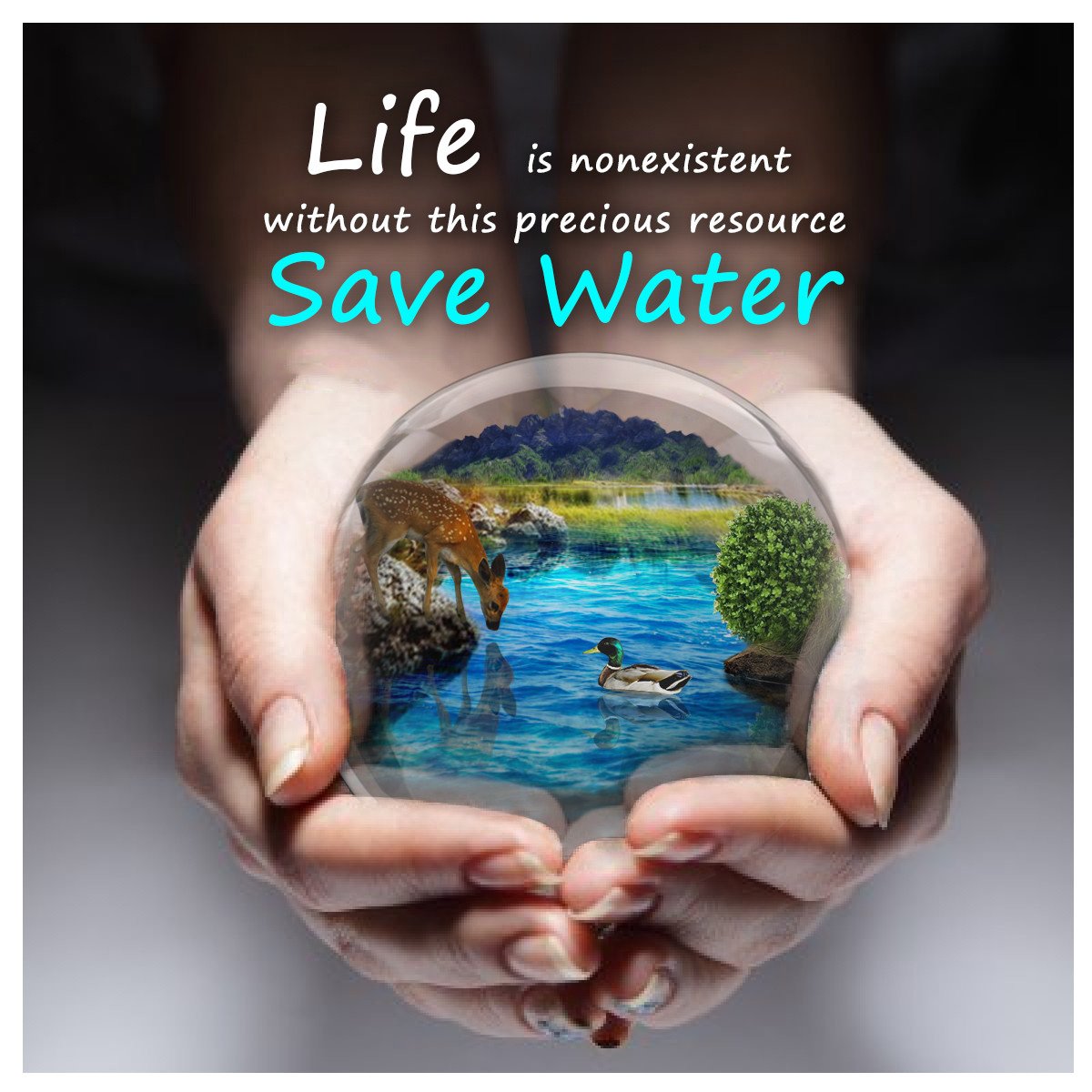
Conserving water is essential for reducing utility bills and preserving this precious resource. Several simple changes can lead to significant water savings.
- Low-Flow Fixtures: Installing low-flow showerheads, faucets, and toilets reduces water consumption without sacrificing performance. Low-flow toilets, for example, use significantly less water per flush compared to older models.
- Fixing Leaks Promptly: Leaks, even small ones, can waste a considerable amount of water over time. Regularly check for leaks in faucets, toilets, and pipes. A dripping faucet can waste gallons of water daily.
- Efficient Irrigation: Water your lawn and garden efficiently. Water early in the morning to minimize evaporation. Use soaker hoses or drip irrigation systems to deliver water directly to plant roots, reducing water waste.
- Shorter Showers: Reducing shower time by just a few minutes can save a significant amount of water. Consider taking shorter showers or installing a low-flow showerhead to further conserve water.
- Water-Efficient Appliances: When purchasing appliances like washing machines and dishwashers, choose models that are water-efficient. Look for the WaterSense label, which indicates that the appliance meets specific water-efficiency standards.
Identifying and Fixing Common Household Leaks
Detecting and repairing leaks is a critical step in preventing water waste and reducing water bills. Even small leaks can lead to significant water loss over time.
- Toilet Leaks: Check for toilet leaks by adding a few drops of food coloring to the toilet tank. Wait 15-30 minutes without flushing. If the color appears in the bowl, you have a leak. Common causes include a faulty flapper or a worn-out fill valve. Replacing these parts is often a simple DIY fix.
- Faucet Leaks: Inspect faucets for drips around the handles or spout. Leaks often result from worn-out washers or O-rings. Replacing these inexpensive parts can usually solve the problem.
- Pipe Leaks: Check pipes under sinks and in basements for any signs of leaks, such as damp spots or water stains. Small pipe leaks can often be sealed with pipe tape or epoxy. For larger leaks, consider consulting a plumber.
- Shower Leaks: Examine showerheads and shower arms for drips. These can be fixed by tightening connections or replacing worn-out parts.
- Outdoor Leaks: Check outdoor faucets and hoses for leaks. Make sure all connections are tight and replace any damaged hoses or fittings. Leaks in sprinkler systems should also be addressed promptly.
Subscription Services and Delivery Options

Subscription services and delivery options have revolutionized how we purchase household essentials, offering convenience and potential cost savings. However, navigating the landscape of these services requires careful consideration to ensure they align with your budget and needs. Understanding the costs, benefits, and various offerings allows you to make informed decisions and maximize your savings.
Comparing Costs and Benefits of Subscription Services
Subscription services for household essentials offer convenience by automatically delivering products on a regular schedule. However, the cost-effectiveness depends on various factors.
- Convenience: Subscriptions eliminate the need to remember to reorder frequently used items. This is particularly beneficial for busy individuals or families.
- Potential Cost Savings: Many subscription services offer discounts, such as a percentage off each order, free shipping, or bundled pricing. This can lead to savings compared to purchasing items individually at retail prices. For example, Amazon Subscribe & Save frequently provides discounts on a variety of household products.
- Product Variety: Subscription boxes often curate a selection of products, allowing you to discover new items or sample different brands. This can be especially useful for items like cleaning supplies or personal care products.
- Customization: Most services allow you to customize your subscription based on your needs. You can adjust the frequency of deliveries, add or remove items, and even skip deliveries if necessary.
- Risk of Overspending: The automatic nature of subscriptions can lead to overspending if you don’t carefully monitor your orders and adjust them based on your actual needs. Purchasing items you don’t need can negate any potential savings.
- Limited Product Selection: While subscription services offer a variety of products, the selection may be limited compared to what is available at a large retailer. You might not always find your preferred brand or specific product variant.
- Potential for Price Increases: Subscription prices can fluctuate over time, and companies may increase prices without notice. It’s essential to monitor prices and compare them to other options regularly.
Choosing Cost-Effective Delivery Options
Selecting the right delivery options for groceries and other essentials is crucial for minimizing expenses.
- Compare Delivery Fees: Different retailers and delivery services charge varying fees. Compare these fees across multiple providers, considering factors such as order size, delivery location, and membership benefits. For example, some grocery stores offer free delivery for orders over a certain amount, while others charge a flat fee or a percentage of the order total.
- Consider Membership Programs: Many retailers offer membership programs that provide free or discounted delivery. Amazon Prime, for example, includes free shipping on eligible items. Evaluate the cost of the membership against the savings you anticipate from free delivery and other benefits.
- Explore Curbside Pickup: Curbside pickup is often a free option offered by many grocery stores and retailers. This allows you to avoid delivery fees and potentially save time by picking up your order at a designated location.
- Optimize Order Size: Some delivery services have minimum order requirements. Consider ordering in bulk to meet these requirements and maximize the value of your delivery. However, be mindful of storage space and the potential for items to expire before you can use them.
- Factor in Tipping: Delivery services often recommend or require tipping. Factor this cost into your overall delivery expenses.
- Utilize Promotional Offers: Take advantage of promotional offers, such as free delivery on your first order or discounts for specific products.
Comparing Subscription Boxes: Pricing, Value, and Product Selection
Several subscription boxes cater to household essentials, each with unique offerings and pricing structures. Here’s a comparison of a few examples:
| Subscription Box | Pricing | Product Selection | Value Proposition |
|---|---|---|---|
| Grove Collaborative | Customizable; Prices vary based on products selected. Offers a VIP membership with additional discounts and free shipping. | Eco-friendly cleaning supplies, personal care products, and home goods. Focuses on sustainable and natural products. | Offers a curated selection of sustainable and eco-friendly products. VIP membership provides significant savings. |
| Amazon Subscribe & Save | Prices vary by product, with discounts available for subscribing. | Wide variety of household essentials, including cleaning supplies, paper products, and personal care items. Offers many brands. | Convenience and potential for discounts on a vast selection of products. Offers flexibility in delivery frequency and product selection. |
| Blueland | Subscription plans available; prices vary depending on the products and refills. | Focuses on sustainable cleaning products, offering reusable bottles and refill tablets. | Eco-friendly cleaning solutions with a focus on reducing plastic waste. |
It’s important to carefully evaluate the product selection, pricing, and overall value of each subscription box to determine which one best suits your needs and budget.
Seasonal Savings and Timing Purchases

Strategic timing can significantly reduce the cost of household essentials. Understanding when to buy specific items allows consumers to capitalize on seasonal sales, clearance events, and other promotional periods. This proactive approach to shopping can result in substantial savings over time.
Taking Advantage of Seasonal Sales and Discounts
Seasonal sales are a common feature in the retail industry, offering opportunities to purchase household essentials at reduced prices. These discounts often coincide with changes in seasons, holidays, and other events, as retailers aim to clear out inventory and attract customers. By recognizing these patterns, consumers can optimize their purchasing strategies.
- End-of-Season Sales: Retailers often offer significant discounts on seasonal items at the end of the season. For example, summer essentials like outdoor furniture, grills, and lawn care products are typically discounted in late summer or early fall. Similarly, winter items like snow shovels and ice melt are often on sale in late winter or early spring.
- Holiday Sales: Holidays such as Black Friday, Cyber Monday, and Memorial Day are prime times for sales on various household essentials. These events often feature deep discounts on appliances, cleaning supplies, and other frequently purchased items.
- Back-to-School Sales: While primarily focused on school supplies, back-to-school sales can also include discounts on household items like storage containers, organizational tools, and cleaning products.
- Clearance Events: Many stores hold regular clearance events to clear out overstocked or discontinued items. These events can offer significant savings on a wide range of household essentials.
Guide to Optimal Purchase Timing for Household Essentials
Knowing the best time to buy specific items can maximize savings. This guide provides a timeline of optimal purchase times for common household essentials.
- Cleaning Supplies: Purchase these items during Black Friday, Cyber Monday, or when stores offer “buy one, get one” (BOGO) deals. Stock up on frequently used items like laundry detergent, dish soap, and cleaning sprays during these periods.
- Paper Products: Stock up on toilet paper, paper towels, and tissues during sales events like Black Friday or when stores offer bulk discounts. Consider purchasing these items in larger quantities to reduce the per-unit cost.
- Appliances: Major appliances, such as refrigerators, washing machines, and dryers, are often discounted during holiday weekends like Memorial Day, Labor Day, and Black Friday.
- Linens and Bedding: White sales, traditionally held in January, are a good time to purchase sheets, towels, and other bedding items. Also, look for sales during back-to-school events and holiday weekends.
- Outdoor Furniture and Grills: Buy these items at the end of the summer season, typically in late August or September, when retailers are clearing out their summer inventory.
- Gardening Supplies: Purchase gardening tools, plants, and seeds in the spring, when garden centers and nurseries have the largest selections and often offer promotional pricing.
Timeline of Seasonal Sales for Common Household Essentials
The following table provides a visual timeline of seasonal sales for common household essentials. This timeline helps consumers plan their purchases strategically throughout the year.
| Month | Household Essential | Typical Sales Event | Expected Savings |
|---|---|---|---|
| January | Linens and Bedding | White Sales | 20-50% |
| February | Cleaning Supplies | President’s Day Sales | 15-30% |
| March | Gardening Supplies | Spring Sales | 10-25% |
| April | Storage Solutions | Spring Cleaning Sales | 15-30% |
| May | Appliances, Outdoor Furniture | Memorial Day Sales | 20-40% |
| June | Grills, Summer Essentials | Father’s Day Sales | 15-30% |
| July | Summer Clearance | Fourth of July Sales | 25-50% |
| August | Back-to-School Supplies, Storage Solutions | Back-to-School Sales | 10-30% |
| September | Outdoor Furniture, Grills | Labor Day Sales | 30-60% |
| October | Cleaning Supplies | Columbus Day Sales | 15-30% |
| November | Appliances, Cleaning Supplies, Holiday Decorations | Black Friday/Cyber Monday Sales | 20-70% |
| December | Holiday Decorations, Gift Items | Post-Holiday Sales | 30-75% |
Repurposing and Upcycling
Repurposing and upcycling are powerful strategies for reducing waste, conserving resources, and saving money on household essentials. By giving new life to items that would otherwise be discarded, you can significantly decrease your environmental footprint and minimize the need to purchase new products. This approach not only benefits the planet but also offers opportunities for creativity and resourcefulness in your home.
Reducing Waste Through Repurposing
Repurposing involves finding new uses for existing items, extending their lifespan and preventing them from ending up in landfills. This can be as simple as using a glass jar to store food or as complex as converting old clothing into cleaning rags. The key is to think creatively about the potential of items you already own.
Creative Upcycling Projects
Upcycling takes repurposing a step further by transforming discarded materials into entirely new products of higher value or better quality. This process often involves a degree of creativity and craftsmanship, resulting in unique and functional items.For example:* Old t-shirts can be transformed into reusable shopping bags or braided rugs.
- Glass bottles can be repurposed into vases, drinking glasses, or even decorative lighting fixtures. Imagine a wine bottle cut and polished to create a stylish pendant light.
- Wooden pallets can be upcycled into outdoor furniture, such as a coffee table or a set of chairs for a patio. This is especially cost-effective as pallet wood is often available for free.
- Tin cans can be decorated and used as pen holders, plant pots, or storage containers for small items. Think of a brightly painted tin can on a desk, adding a splash of color and organization.
Items Suitable for Repurposing and Upcycling
Many common household items are perfect candidates for repurposing and upcycling. Here’s a list of examples, along with their alternative uses:
- Plastic Bottles: Can be used as planters, storage containers, or components for DIY crafts. A clear plastic bottle can be cut and painted to create a bird feeder, attracting wildlife to your garden.
- Glass Jars: Ideal for food storage, organizing small items, or creating decorative centerpieces. Consider using a collection of different-sized jars to hold spices in your kitchen.
- Old T-shirts: Can be cut up and used as cleaning rags, or upcycled into shopping bags or braided rugs. A worn-out t-shirt can be transformed into a reusable shopping bag by cutting the bottom and sewing the top closed.
- Cardboard Boxes: Excellent for storage, shipping, or creating craft projects. A large cardboard box can be converted into a playhouse for children, providing hours of entertainment.
- Wooden Pallets: Can be repurposed into outdoor furniture, shelving units, or even garden beds. Disassemble the pallet and create a rustic coffee table for your patio.
- Tin Cans: Can be used as pen holders, plant pots, or storage containers. Decorate the can with paint or paper to match your decor.
- Old Newspapers: Suitable for wrapping fragile items, cleaning windows, or creating paper mache projects. Use newspaper to protect delicate items when moving or storing them.
- Broken Furniture: Dismantle and reuse the wood for other projects, such as building shelves or picture frames. A broken chair can be taken apart and the wood repurposed into a small side table.
- Used Coffee Grounds: Can be used as fertilizer for plants, a natural exfoliant, or to deodorize your refrigerator. Sprinkle used coffee grounds around the base of your plants to enrich the soil.
- Plastic Shopping Bags: Can be woven into a strong, durable material to create reusable shopping bags or mats.
By embracing repurposing and upcycling, you contribute to a circular economy, reducing waste and fostering a more sustainable lifestyle.
Final Review
In conclusion, “How to Save Money on Household Essentials” provides a roadmap to financial empowerment. By implementing the strategies Artikeld, you can transform your approach to managing household expenses, reducing waste, and making informed purchasing decisions. Remember, every small change can lead to significant savings over time. Start today, and unlock the potential to build a more secure and financially stable future for yourself and your family.