Embarking on a journey to reduce household expenses might seem daunting, but it’s a rewarding endeavor that can significantly impact your financial well-being. This comprehensive guide, centered around the core principle of “How to Save Money on Household Bills,” delves into practical strategies, actionable tips, and innovative solutions to help you regain control of your finances. From understanding your current spending habits to harnessing the power of smart home technology, we’ll uncover the secrets to building a more financially secure future.
We’ll explore a wide array of topics, from energy efficiency and water conservation to optimizing utility plans and reducing waste. You’ll learn how to track your expenses, negotiate better rates, and even take advantage of financial assistance programs. This guide will equip you with the knowledge and tools necessary to make informed decisions and implement changes that will positively impact your budget and overall financial health.
Let’s begin the transformation!
Understanding Your Current Spending
Accurately understanding your current spending is the cornerstone of effective money management. Before you can begin saving, you must first identify where your money is going. This involves a detailed examination of your income and expenses to create a clear picture of your financial situation. This knowledge allows you to make informed decisions about your spending habits and identify areas where you can reduce costs.
Common Household Bill Categories
Categorizing your household bills helps you to easily identify patterns and trends in your spending. This structured approach provides a clear overview of where your money is allocated, making it easier to pinpoint areas for potential savings.
- Housing: This category includes mortgage or rent payments, property taxes (if applicable), and homeowner’s or renter’s insurance.
- Utilities: Utilities encompass electricity, natural gas, water, and trash removal services.
- Internet and Communication: This covers internet service, phone bills (landline and/or mobile), and cable or streaming services.
- Transportation: Expenses related to transportation include car payments, car insurance, fuel, public transportation costs, and maintenance.
- Food: Food expenses are divided into groceries and dining out.
- Healthcare: Healthcare expenses include health insurance premiums, doctor’s visits, prescription medications, and dental care.
- Personal Care: This includes expenses for toiletries, haircuts, and other personal care products and services.
- Debt Payments: Debt payments include credit card payments, student loan payments, and any other loan repayments.
- Entertainment and Leisure: This category covers expenses for entertainment, such as movies, concerts, hobbies, and vacations.
- Other: This is a catch-all category for any miscellaneous expenses that do not fit into the above categories, such as subscriptions, pet care, or childcare.
Methods for Tracking Household Expenses
There are several effective methods for tracking household expenses, ranging from simple to more sophisticated approaches. Choosing the right method depends on your personal preferences, technical skills, and the level of detail you desire. The key is to consistently track your expenses to gain valuable insights into your spending habits.
- Spreadsheets: Using spreadsheet software like Microsoft Excel or Google Sheets is a popular and flexible method. You can customize the spreadsheet to fit your specific needs by creating categories, adding formulas for calculations, and generating charts to visualize your spending.
- Budgeting Apps: Budgeting apps, such as Mint, YNAB (You Need A Budget), and Personal Capital, automate much of the tracking process. These apps often allow you to link your bank accounts and credit cards, automatically categorizing your transactions. They also provide budgeting tools, spending reports, and insights into your financial health.
- Manual Tracking: Manual tracking involves writing down every expense in a notebook or using a dedicated expense tracker. This method requires more time and effort but can be beneficial for those who prefer a hands-on approach. It can also be a useful method for becoming more aware of your spending habits.
- Online Banking Tools: Many banks offer online tools that allow you to track your spending. These tools often provide categorization of transactions and spending reports.
Sample Expense Tracking Template
An expense tracking template provides a structured way to monitor your spending. The following HTML table demonstrates a basic template, designed to be responsive across different devices. The four columns – Bill Type, Amount, Due Date, and Status – offer a clear overview of your expenses.
Here’s how the table is structured:
- Bill Type: Specifies the category of the expense (e.g., Rent, Electricity, Groceries).
- Amount: Shows the monetary value of the expense.
- Due Date: Indicates the date the bill is due.
- Status: Tracks whether the bill has been paid or is outstanding.
Here is the HTML code for the sample expense tracking table:
“`html
| Bill Type | Amount | Due Date | Status |
|---|---|---|---|
| Rent | $1,500 | 01/01/2024 | Paid |
| Electricity | $150 | 01/15/2024 | Paid |
| Groceries | $400 | 01/20/2024 | Paid |
| Internet | $75 | 01/25/2024 | Paid |
“`
The table’s structure uses the following HTML tags:
- `
`: Defines the table.
- ` `: Contains the header row.
- `
`: Defines a table row. - `
`: Defines a table header cell. - `
`: Contains the table body.- `
`: Defines a table data cell. This table, with its four columns, provides a clear and organized view of your household expenses, facilitating effective tracking and analysis. The structure allows for easy expansion to include more bills and data as needed.
Energy Efficiency Strategies
Reducing your energy consumption is a crucial step in lowering your household bills and minimizing your environmental impact. By implementing smart strategies, you can significantly decrease your energy usage without compromising your comfort or lifestyle. This section focuses on practical steps you can take to make your home more energy-efficient.
Impact of Different Appliances on Energy Consumption
Different appliances consume varying amounts of energy, and understanding their impact is essential for making informed decisions. The energy consumption of an appliance is typically measured in watts (W) or kilowatts (kW). Kilowatts are equal to 1,000 watts. Energy consumption over time is measured in kilowatt-hours (kWh).The following points detail the energy usage of common household appliances:
- Refrigerators: Refrigerators are typically running 24/7, making them significant energy consumers. Older models can use significantly more energy than newer, energy-efficient models.
- Air Conditioners: Air conditioners are major energy consumers, especially during peak summer months. The size and efficiency of the air conditioner directly impact energy usage.
- Heating Systems: Heating systems, whether gas furnaces or electric heaters, consume substantial energy, particularly during winter. The efficiency of the heating system plays a crucial role in energy consumption.
- Lighting: Traditional incandescent light bulbs consume a lot of energy compared to LED bulbs. Lighting can account for a significant portion of a household’s energy bill.
- Televisions and Entertainment Systems: Modern televisions, gaming consoles, and sound systems can consume a surprising amount of energy, especially when left on standby mode.
- Washing Machines and Dryers: Washing machines and dryers are energy-intensive appliances. Using energy-efficient models and adopting energy-saving laundry practices can make a difference.
- Dishwashers: Dishwashers, especially those with heating elements for drying, can contribute to energy consumption.
Ways to Reduce Energy Usage in Each Room of a House
Energy-saving strategies can be implemented in every room of your house. Here are some practical tips for each area:
- Kitchen:
- Use energy-efficient appliances.
- Cook with lids on pots and pans to reduce cooking time.
- Avoid preheating the oven longer than necessary.
- Use the microwave or toaster oven for small meals instead of the oven.
- Unplug small appliances when not in use.
- Living Room:
- Use LED light bulbs.
- Unplug electronics and chargers when not in use, or use a smart power strip.
- Close curtains or blinds during the hottest part of the day to reduce heat gain.
- Ensure proper insulation around windows and doors.
- Bedrooms:
- Use LED light bulbs.
- Turn off lights when leaving the room.
- Use a fan instead of air conditioning when possible.
- Close curtains or blinds during the day to keep the room cool.
- Bathroom:
- Use LED light bulbs.
- Take shorter showers.
- Fix leaky faucets promptly.
- Use low-flow showerheads.
- Home Office:
- Turn off computers, monitors, and printers when not in use.
- Use a laptop instead of a desktop computer, as laptops generally consume less energy.
- Unplug chargers when not in use.
- Use LED desk lamps.
Benefits of Switching to Energy-Efficient Appliances, Including Estimated Savings
Switching to energy-efficient appliances can lead to significant savings on your energy bills and a reduced environmental footprint. Energy-efficient appliances are designed to use less energy without sacrificing performance.Here’s a table illustrating potential savings based on real-world examples:
Appliance Old Appliance (Annual Consumption) New Energy-Efficient Appliance (Annual Consumption) Estimated Annual Savings (Based on $0.15/kWh) Refrigerator 700 kWh 400 kWh $45 Dishwasher 300 kWh 200 kWh $15 Washing Machine 400 kWh 150 kWh $37.50 Air Conditioner 1500 kWh 1000 kWh $75 These are estimated savings and can vary depending on usage, local electricity rates, and the specific models of appliances. Replacing older appliances with Energy Star-certified models is a good way to ensure you are getting energy-efficient options.
Calculating Potential Savings from Using LED Light Bulbs Compared to Incandescent Bulbs
LED light bulbs offer significant energy savings compared to traditional incandescent bulbs. They use considerably less energy to produce the same amount of light and have a much longer lifespan.Here’s how to calculate the potential savings:
1. Determine the wattage of the incandescent bulb
For example, a typical incandescent bulb might be 60 watts.
2. Determine the wattage of the equivalent LED bulb
An LED bulb that produces the same amount of light (lumens) as a 60-watt incandescent bulb might only be 8 watts.
3. Calculate the energy difference
Subtract the LED wattage from the incandescent wattage (60W – 8W = 52W).
4. Calculate the daily energy consumption difference
Multiply the energy difference by the number of hours the light is used per day (e.g., 4 hours/day). This is calculated in watt-hours (52W4 hours = 208 Wh).
5. Convert to kilowatt-hours (kWh)
Divide the watt-hours by 1000 (208 Wh / 1000 = 0.208 kWh).
-
6. Calculate the annual energy savings
Multiply the daily kWh savings by 365 days (0.208 kWh
- 365 days = 75.92 kWh).
- 75.92 kWh = $11.39).
7. Calculate the annual cost savings
Multiply the annual kWh savings by your electricity rate (e.g., $0.15/kWh). ($0.15/kWh
Therefore, in this example, switching from a 60-watt incandescent bulb to an 8-watt LED bulb could save approximately $11.39 per year, per bulb, in electricity costs. Moreover, LEDs last much longer, reducing the need for frequent replacements.
Water Conservation Techniques
Conserving water is not only beneficial for the environment but also directly impacts your household budget. Implementing water-saving strategies can lead to significant reductions in your water bill. This section will explore various techniques for reducing water consumption in different areas of your home and garden, offering practical advice and actionable steps you can take today.
Water Reduction in Bathrooms, Kitchens, and Gardens
Water usage varies significantly across different areas of the home. Understanding these patterns is the first step toward effective conservation. By adopting targeted strategies in each area, you can maximize your water savings.
- Bathrooms: The bathroom typically accounts for a large portion of household water use. Reduce water consumption by taking shorter showers, installing low-flow showerheads, and fixing any leaky faucets or toilets promptly. Avoid letting the water run while brushing your teeth or shaving.
- Kitchens: In the kitchen, minimize water use by running the dishwasher only when it’s full and using the appropriate wash cycle. When washing dishes by hand, fill the sink with water instead of letting the faucet run continuously. Consider using a water-efficient faucet aerator.
- Gardens: Watering your garden efficiently is crucial. Water plants deeply but less frequently, ideally in the early morning or late evening to minimize evaporation. Consider using a soaker hose or drip irrigation system to deliver water directly to the roots. Collect rainwater for watering your garden.
Advantages of Low-Flow Showerheads and Toilets
Installing low-flow fixtures is a simple yet highly effective way to reduce water consumption. These fixtures are designed to use less water without compromising performance.
- Low-Flow Showerheads: Standard showerheads can use up to 2.5 gallons of water per minute (GPM). Low-flow showerheads, on the other hand, typically use 2.0 GPM or less. This can result in significant water savings over time, especially for households with multiple showers. For example, a family of four, each taking a 10-minute shower daily, could save thousands of gallons of water annually by switching to low-flow showerheads.
- Low-Flow Toilets: Older toilets can use up to 3.5 to 7 gallons of water per flush. Modern, low-flow toilets use 1.28 gallons per flush or less. Dual-flush toilets offer even greater efficiency, allowing users to choose between a full flush and a partial flush. The Environmental Protection Agency (EPA) estimates that a household can save thousands of gallons of water annually by replacing older toilets with WaterSense-labeled models.
Daily Water-Saving Habits
Incorporating water-saving habits into your daily routine can make a substantial difference in your water consumption. These small changes can add up to significant savings over time.
- Turn off the tap: Turn off the faucet while brushing your teeth, shaving, or washing your face.
- Take shorter showers: Reduce your shower time by a few minutes.
- Fix leaks promptly: Repair any leaky faucets, toilets, or pipes as soon as you notice them.
- Run full loads: Operate your washing machine and dishwasher only when they are fully loaded.
- Water plants efficiently: Water your plants in the morning or evening to minimize evaporation.
- Use a broom instead of a hose: Sweep driveways and sidewalks instead of hosing them down.
- Install water-efficient appliances: When replacing appliances, choose models with a high water efficiency rating.
Fixing a Leaky Faucet:
- Identify the Leak: Determine the source of the leak (e.g., dripping from the spout, around the handle).
- Turn off the Water Supply: Locate the shut-off valves under the sink and turn them clockwise to stop the water flow.
- Disassemble the Faucet: Using appropriate tools (e.g., a wrench, screwdriver), carefully disassemble the faucet, noting the order of the parts.
- Inspect and Replace Parts: Inspect the faucet components for wear and tear. Replace any worn O-rings, washers, or cartridges.
- Reassemble the Faucet: Reassemble the faucet in the reverse order of disassembly.
- Test for Leaks: Turn the water supply back on slowly and check for any leaks. Tighten connections as needed.
Optimizing Utility Plans
Understanding and actively managing your utility plans is crucial for significant savings on your household bills. By comparing providers, negotiating rates, and strategically switching companies, you can often find better deals that align with your energy needs and budget. This section provides practical steps to help you navigate the utility market and reduce your monthly expenses.
Comparing Utility Providers and Pricing Structures
Different utility providers offer a variety of pricing structures, making direct comparisons essential. These structures can significantly impact your bill depending on your energy consumption habits.
- Fixed-Rate Plans: These plans offer a consistent rate per kilowatt-hour (kWh) for a set period, typically 12 to 36 months. This provides price stability, protecting you from market fluctuations. However, if market rates decrease, you may miss out on potential savings.
- Variable-Rate Plans: The price per kWh fluctuates based on market conditions. These plans can be cheaper initially but expose you to price volatility. Your rate can increase significantly during peak demand or periods of high energy costs.
- Time-of-Use (TOU) Plans: With TOU plans, electricity rates vary depending on the time of day. Prices are typically higher during peak hours (e.g., afternoon and early evening) and lower during off-peak hours (e.g., overnight and weekends). This is advantageous if you can shift your energy consumption to off-peak times.
- Tiered-Rate Plans: The price per kWh increases as your consumption increases. This structure encourages energy conservation, as higher usage results in higher rates for each additional kWh consumed.
- Green Energy Plans: Some providers offer plans that source electricity from renewable sources, such as solar or wind. These plans often come with a slightly higher price but support environmentally friendly practices.
Carefully analyze your energy usage patterns and compare the rates, terms, and conditions of various providers to determine the most cost-effective option for your household.
Negotiating Better Rates with Existing Providers
Negotiating with your current utility provider can lead to significant savings without the hassle of switching companies. Often, providers are willing to offer discounts to retain customers.
- Call and Inquire: Contact your provider and inquire about any available discounts or promotions. Ask if they can offer a lower rate based on your usage or if they have special offers for existing customers.
- Highlight Competitor Offers: Research rates offered by other providers in your area. If you find a lower rate, inform your current provider and see if they can match or beat it. Having concrete evidence of competitive pricing strengthens your negotiation position.
- Mention Loyalty: Emphasize your loyalty as a long-term customer. Providers often value customer retention and may be more willing to offer a discount to keep your business.
- Inquire About Payment Options: Ask about options like auto-pay or budget billing. These can sometimes qualify you for small discounts or help you manage your bills more effectively.
- Be Polite but Persistent: Maintain a friendly and professional demeanor during the negotiation. However, don’t be afraid to push for a better deal. Explain why you’re seeking a lower rate and what you’re looking for.
Remember to document all communications, including the date, time, and representative you spoke with.
Detailing the Process of Switching Utility Companies
Switching utility companies can be a straightforward process, but it’s important to understand the steps involved to ensure a smooth transition.
- Research and Compare: Thoroughly research different providers in your area. Compare their rates, contract terms, and customer reviews. Use online comparison tools and websites to simplify this process.
- Review Contract Terms: Before signing up with a new provider, carefully review the contract terms, including the contract length, early termination fees, and any other associated charges. Ensure you understand all the conditions.
- Enroll with the New Provider: Once you’ve selected a new provider, enroll in their service. This typically involves providing your account information, service address, and desired start date.
- Notify Your Current Provider (If Necessary): Some states handle the switching process automatically, while others require you to notify your current provider. Check the terms of your current contract to understand your obligations.
- Monitor the Transition: Keep an eye on your bills during the transition period to ensure you’re not double-billed or experiencing any service disruptions. Contact both providers if you encounter any issues.
- Be Aware of Cancellation Fees: If you are under contract with your current provider, be mindful of potential cancellation fees if you switch before the contract expires.
Switching providers can often lead to significant savings, especially if you are currently on a high-cost plan.
Designing a Table to Compare Electricity Providers
To make informed decisions, comparing electricity providers requires a structured approach. The following table provides a template for comparing different providers based on their rates, contract length, and customer reviews. This structure enables you to assess the pros and cons of each provider and make an informed choice.
Provider Rate (per kWh) Contract Length Customer Reviews (Rating) Provider A $0.12 12 months 4.2 stars Provider B $0.14 24 months 3.8 stars Provider C $0.11 Month-to-month 4.5 stars Provider D $0.13 36 months 3.5 stars Illustration: A table with four columns: “Provider,” “Rate (per kWh),” “Contract Length,” and “Customer Reviews (Rating).” The table lists example providers (Provider A, B, C, and D) with corresponding rates (e.g., $0.12, $0.14, $0.11, and $0.13 per kWh), contract lengths (e.g., 12 months, 24 months, month-to-month, and 36 months), and customer review ratings (e.g., 4.2, 3.8, 4.5, and 3.5 stars). The table’s structure is designed to facilitate a direct comparison of the different providers based on these key factors.This table format can be easily customized to include additional information, such as renewable energy options or any associated fees. The rates provided are for illustrative purposes. Always consult with providers in your area for current pricing.
Reducing Waste and Food Costs

Reducing waste and managing food costs are critical components of saving money on household bills. Food waste contributes significantly to household expenses and environmental impact. By implementing strategic planning and mindful practices, individuals can significantly reduce their spending and lessen their environmental footprint. This section Artikels practical strategies to minimize food waste, optimize grocery shopping, and reduce waste from packaging and other household items.
Minimizing Food Waste
Minimizing food waste involves several practices that contribute to a more sustainable and cost-effective lifestyle. Implementing these strategies requires a conscious effort to utilize all food resources efficiently.
- Plan Meals Ahead: Meal planning is a cornerstone of reducing food waste. Before grocery shopping, create a detailed meal plan for the week. This ensures that you only purchase the necessary ingredients and prevents impulse buys that often lead to spoilage. Consider your existing pantry and refrigerator contents to incorporate these items into your meal plan.
- Proper Food Storage: Understanding how to store food correctly extends its shelf life. Store perishable items like fruits and vegetables in appropriate containers or locations within the refrigerator. For example, leafy greens last longer when stored in a container lined with paper towels. Utilize airtight containers for leftovers to maintain freshness.
- Use-By and Best-By Dates: Distinguish between “use-by” and “best-by” dates. “Use-by” dates typically indicate the last date a product is safe to consume, while “best-by” dates suggest when a product is at its peak quality. Often, food is still safe to eat after the “best-by” date, provided it is stored correctly and shows no signs of spoilage.
- Embrace Leftovers: Repurpose leftovers into new meals. Get creative with ingredients. For instance, roasted chicken can become the base for chicken salad, tacos, or a soup. Properly store leftovers in the refrigerator immediately after a meal to ensure safety and freshness.
- Composting: Compost food scraps, such as vegetable peelings, coffee grounds, and eggshells. Composting reduces waste sent to landfills and provides nutrient-rich soil for gardening. Many municipalities offer composting programs, or you can create a compost bin in your backyard.
- Freeze Food: Freezing is an excellent way to preserve food. Freeze excess produce, cooked meals, and even bread. Label and date all frozen items to track their contents and usage.
- Inventory Management: Regularly check your pantry and refrigerator to identify ingredients that need to be used. Place older items at the front to encourage their use before they expire.
Meal Planning and Grocery Shopping Strategies
Effective meal planning and grocery shopping are crucial for controlling food costs and minimizing waste. A well-thought-out approach can lead to significant savings and a more organized kitchen.
- Create a Shopping List: Base your shopping list on your meal plan. Stick to the list to avoid impulse purchases. Review your pantry and refrigerator before creating your list to avoid buying items you already have.
- Compare Prices: Compare prices at different grocery stores. Take advantage of sales and promotions. Consider using store apps or websites to access digital coupons and track deals.
- Buy in Season: Purchase fruits and vegetables that are in season. Seasonal produce is typically more affordable and flavorful.
- Shop Strategically: Plan your shopping route to minimize trips. Consider the layout of the store and plan your route to avoid tempting impulse purchases.
- Avoid Shopping When Hungry: Shopping when hungry can lead to impulse purchases and less healthy choices. Eat a meal or snack before going to the grocery store.
- Consider Store Brands: Store brands often offer the same quality as name brands at a lower price. Compare prices and ingredients to make informed choices.
- Track Spending: Keep track of your grocery spending to identify areas where you can save money. Review your receipts and categorize your purchases to understand your spending habits.
Reducing Waste from Packaging and Other Household Items
Reducing waste extends beyond food. Minimizing packaging and waste from other household items is essential for both environmental and economic benefits.
- Choose Products with Minimal Packaging: Opt for products with less packaging or packaging made from recyclable materials. For example, choose loose produce over pre-packaged items.
- Buy in Bulk When Appropriate: Buying in bulk can reduce packaging waste and save money on certain items, such as grains, snacks, and cleaning supplies. Ensure you have adequate storage space for bulk purchases.
- Reuse Containers: Reuse jars, containers, and plastic bags for storage. Repurpose items whenever possible.
- Recycle Correctly: Familiarize yourself with your local recycling guidelines. Properly sort and recycle materials such as paper, plastic, glass, and aluminum.
- Reduce Paper Consumption: Reduce paper consumption by opting for digital alternatives, such as online bills and statements.
- Repair Instead of Replace: Repair items instead of replacing them. This reduces waste and can save money in the long run.
- Proper Disposal of Hazardous Waste: Properly dispose of hazardous waste, such as batteries, electronics, and chemicals, through designated collection programs.
Benefits of Buying in Bulk Versus Individual Portions
Buying in bulk presents both financial and environmental advantages. It requires careful consideration of storage space and consumption habits.
- Cost Savings: Bulk purchases often offer a lower price per unit compared to individual portions. This can lead to significant savings over time, especially for frequently used items like rice, beans, and snacks.
- Reduced Packaging Waste: Buying in bulk reduces the amount of packaging waste. You can bring your own reusable containers to many bulk food stores.
- Inventory Management: Purchasing in bulk requires careful inventory management. Ensure you have adequate storage space and monitor expiration dates to avoid spoilage.
- Storage Considerations: Consider the shelf life of bulk items and how quickly you can consume them. Proper storage is crucial to maintain freshness and prevent pests. For instance, grains and flours should be stored in airtight containers.
- Example: A family that frequently consumes pasta might save money by purchasing a large bag of pasta compared to buying individual boxes. Over a year, these savings can accumulate significantly.
Smart Home Technology for Savings
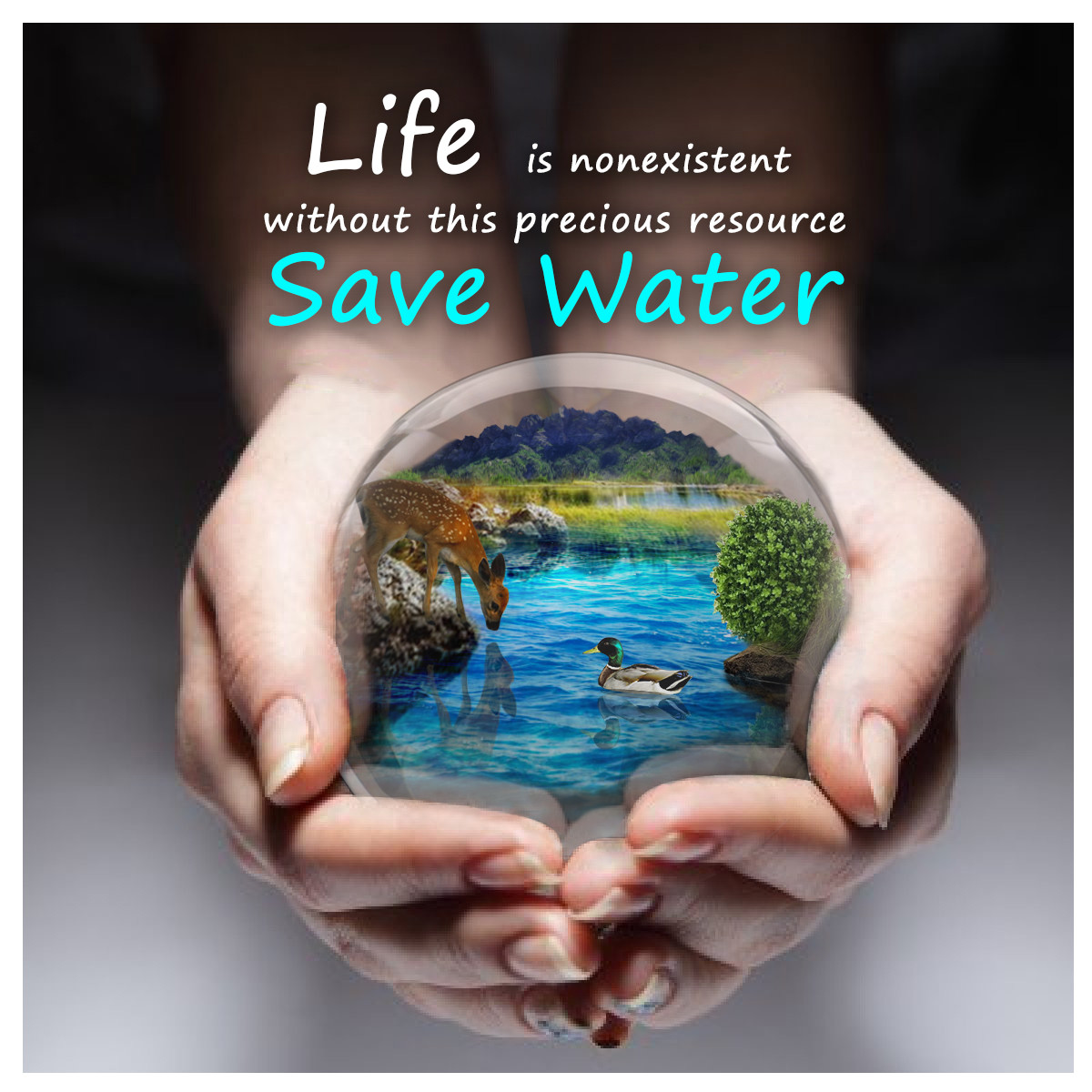
Integrating smart home technology into your household can significantly reduce your utility bills by automating energy and water usage. Smart devices offer greater control and efficiency compared to traditional appliances, allowing you to optimize consumption based on your needs and habits. This section explores how smart home technology can translate into tangible savings.
Smart Thermostats and Energy Savings
Smart thermostats learn your temperature preferences and automatically adjust the heating and cooling based on your schedule and presence. They can also integrate with weather forecasts to optimize energy usage. For instance, if a cold front is predicted, the thermostat might pre-heat your home slightly to avoid overworking the system when the temperature drops.Here are some specific ways smart thermostats contribute to energy savings:
- Automated Scheduling: Set different temperatures for different times of the day and week. This avoids heating or cooling an empty house.
- Geofencing: Automatically adjust the temperature when you leave or arrive home, ensuring energy isn’t wasted when you’re away.
- Energy Usage Tracking: Monitor your energy consumption patterns to identify areas for improvement.
- Remote Control: Adjust the thermostat from your smartphone, allowing for on-the-go adjustments.
According to the U.S. Department of Energy, a smart thermostat can save homeowners about 10% on their heating and cooling bills.
Automating Household Tasks for Energy and Water Conservation
Beyond thermostats, smart home technology offers various ways to automate tasks and conserve resources. Smart lighting, for example, can be programmed to turn off automatically when a room is unoccupied. Smart irrigation systems adjust watering schedules based on weather conditions and soil moisture, preventing overwatering.Consider these examples:
- Smart Lighting: Install smart bulbs that turn off automatically when a room is empty. This can significantly reduce electricity consumption, especially in frequently unused areas.
- Smart Plugs: Use smart plugs to control devices that consume energy even when turned off (phantom load). For example, a TV or game console can be completely shut down when not in use.
- Smart Water Heaters: Some smart water heaters can be programmed to heat water only when needed, reducing standby heat loss.
- Smart Irrigation Systems: These systems use sensors and weather data to water your lawn and garden only when necessary, preventing water waste.
Costs of Installation and Maintenance
The costs associated with smart home technology vary depending on the devices chosen and the complexity of the installation. Smart thermostats typically range from $100 to $300, while smart bulbs and plugs are generally more affordable, costing around $15 to $50 each. Smart irrigation systems can be more expensive, costing several hundred dollars, depending on the size of the property.Maintenance costs are usually minimal, primarily involving battery replacements and occasional software updates.
Many smart home devices are designed for easy DIY installation, reducing labor costs. Consider the potential long-term savings when evaluating the initial investment. For instance, the energy savings from a smart thermostat can often offset the purchase cost within a year or two.
Smart Home Devices and Their Savings
The following table provides a breakdown of different smart home devices and their potential savings. Note that these are estimates, and actual savings may vary based on usage patterns and regional energy costs.
Device Potential Savings Description Smart Thermostat 10-20% on heating and cooling bills Learns your habits, adjusts temperatures automatically, and can be controlled remotely. Smart Bulbs Up to 80% on lighting costs LED bulbs that can be controlled remotely and scheduled to turn on/off. Smart Plugs Reduces phantom load by eliminating energy waste Controls power to devices, turning them off completely when not in use. Smart Water Heater Up to 10% on water heating costs Provides control over water heating schedules, reducing standby heat loss. Smart Irrigation System Up to 50% on water bills Adjusts watering based on weather and soil conditions, preventing overwatering. Home Maintenance and Repairs
Maintaining your home is an investment that pays dividends. Regular upkeep prevents small issues from escalating into expensive problems, safeguarding your financial well-being and preserving the value of your property. Proactive maintenance can significantly reduce the need for emergency repairs, saving you money and stress in the long run.
Importance of Regular Home Maintenance
Regular home maintenance is crucial for several reasons. It helps to identify potential problems early on, allowing for timely and less costly repairs. Neglecting maintenance can lead to significant damage, such as water leaks causing structural issues or faulty wiring creating fire hazards. Moreover, a well-maintained home is more energy-efficient, reducing utility bills and increasing comfort.
Common Household Repairs You Can Do Yourself
Many common household repairs are manageable with basic tools and a little know-how. Learning these skills can save you money on professional services and empower you to address issues promptly.
- Leaky Faucets: Replacing worn-out washers or O-rings often resolves dripping faucets.
- Clogged Drains: Using a plunger or drain snake can clear minor clogs in sinks and tubs.
- Running Toilets: Adjusting the float or replacing the flapper valve can stop a toilet from running continuously.
- Loose Door Knobs and Hinges: Tightening screws or replacing hardware can fix these common issues.
- Patching Small Holes in Walls: Using spackle and paint can easily repair minor wall damage.
Preventative Maintenance Tasks to Perform Annually
Establishing a regular maintenance schedule helps to keep your home in optimal condition. These annual tasks can help to prevent costly repairs and extend the lifespan of your home’s components.
- Inspect and Clean Gutters: Remove leaves and debris to prevent water damage to your roof and foundation.
- Check and Seal Windows and Doors: Ensure weather stripping is intact to prevent drafts and improve energy efficiency.
- Inspect and Test Smoke Detectors and Carbon Monoxide Detectors: Replace batteries as needed to ensure safety.
- Inspect Your Roof: Look for missing shingles, cracks, or other signs of damage.
- Service HVAC System: Change filters and schedule professional maintenance for optimal performance and longevity.
- Inspect and Flush Water Heater: Helps remove sediment and improve efficiency.
Steps to Insulate Your Water Heater
Insulating your water heater is a simple and effective way to reduce energy consumption and lower your utility bills. This process minimizes heat loss, keeping the water warmer for longer periods and reducing the energy needed to reheat it.
Materials needed:
- Water heater insulation blanket (available at most hardware stores)
- Measuring tape
- Scissors or utility knife
- Duct tape
Steps:
- Measure Your Water Heater: Determine the dimensions of your water heater to select the appropriate size insulation blanket.
- Prepare the Blanket: Unroll the insulation blanket and, if necessary, trim it to fit your water heater. Ensure you leave access to the top and bottom of the heater for any controls or connections.
- Wrap the Water Heater: Wrap the insulation blanket around the water heater, ensuring it covers the entire tank.
- Secure the Blanket: Use duct tape to secure the blanket in place. Overlap the seams and tape them securely. Be careful not to cover any vents or access panels.
- Seal the Top and Bottom: Use duct tape to seal the top and bottom edges of the blanket, ensuring a snug fit.
By following these steps, you can significantly reduce heat loss from your water heater and save money on your energy bills. According to the U.S. Department of Energy, insulating your water heater can reduce standby heat loss by 25% to 45% and save you approximately 7% to 16% on your water heating costs. For example, a household that spends $400 per year on water heating could save between $28 and $64 annually.
Reviewing and Adjusting Your Budget

Regularly reviewing and adjusting your budget is a critical aspect of effective financial management. It ensures your spending aligns with your financial goals and adapts to life’s inevitable changes. A static budget quickly becomes irrelevant, leading to missed opportunities for savings and potential financial instability. This section details the importance of budget reviews, provides guidance on making necessary adjustments, identifies common budgeting pitfalls, and offers practical tips for staying on track.
Importance of Regular Budget Reviews
Budget reviews are essential for maintaining financial health. They provide a clear picture of your spending habits and allow you to identify areas where you can save money. Without periodic evaluations, your budget can become outdated and inaccurate, failing to reflect changes in income, expenses, or financial goals. These reviews allow for proactive adjustments, preventing financial stress and promoting long-term financial security.
Adjusting Your Budget Based on Changing Circumstances
Life is dynamic, and your budget needs to be equally flexible. Several factors can necessitate budget adjustments, including changes in income, unexpected expenses, and shifts in financial priorities.For example, if you receive a raise at work, you might allocate a portion of the increased income towards savings, debt repayment, or investments, while also considering a slight increase in discretionary spending.
Conversely, a job loss or reduction in hours would require immediate adjustments, potentially involving cutting back on non-essential expenses, exploring lower-cost alternatives, and seeking financial assistance if needed.Similarly, unexpected expenses, such as medical bills or home repairs, demand immediate attention. You might need to temporarily reduce spending in other areas or tap into your emergency fund to cover these costs.
When adjusting your budget, prioritize essential expenses like housing, food, and utilities, and identify areas where you can realistically cut back without significantly impacting your quality of life.
Common Budgeting Mistakes
Several common errors can undermine the effectiveness of a budget. Recognizing and avoiding these mistakes can significantly improve your financial outcomes.
- Failing to Track Expenses Accurately: Without a clear understanding of where your money is going, it’s impossible to create a realistic budget. Relying solely on memory or estimates can lead to inaccurate projections and missed opportunities for savings.
- Setting Unrealistic Goals: A budget that is overly restrictive or unattainable can be demotivating and lead to frustration. It’s important to set realistic financial goals that align with your income and spending habits.
- Ignoring Unexpected Expenses: Life is full of surprises, and a budget should account for them. Failing to include a buffer for unexpected costs can lead to debt and financial stress.
- Not Reviewing and Adjusting Regularly: A static budget quickly becomes irrelevant. Regularly reviewing and adjusting your budget is crucial for staying on track and adapting to changing circumstances.
- Not Differentiating Needs from Wants: Confusing needs (essential expenses) with wants (discretionary spending) can lead to overspending and a failure to achieve financial goals.
Tips for Sticking to Your Budget
Staying committed to your budget requires discipline and a proactive approach. Here are some practical tips to help you succeed:
- Track Your Spending Consistently: Use budgeting apps, spreadsheets, or notebooks to monitor your income and expenses regularly.
- Set Realistic Financial Goals: Break down large financial goals into smaller, achievable steps.
- Automate Your Savings: Set up automatic transfers from your checking account to your savings and investment accounts.
- Create a Buffer for Unexpected Expenses: Include an emergency fund in your budget to cover unforeseen costs.
- Review and Adjust Regularly: Schedule regular budget reviews to ensure your spending aligns with your goals.
- Use the Envelope System: For certain categories, like dining out or entertainment, allocate cash in envelopes to limit spending.
- Avoid Impulse Purchases: Before making a purchase, ask yourself if it’s a need or a want, and if it aligns with your budget. Consider waiting 24 hours before making a non-essential purchase.
- Find Ways to Motivate Yourself: Reward yourself for staying on track, and celebrate your financial successes.
- Seek Professional Advice if Needed: Don’t hesitate to consult a financial advisor if you need help creating or sticking to your budget.
Financial Assistance Programs
Navigating household bills can be challenging, and sometimes, extra support is needed. Fortunately, numerous financial assistance programs are available to help individuals and families manage their expenses. These programs, often offered by government agencies and non-profit organizations, can provide crucial relief, especially for low-income households. This section provides information on various assistance options, eligibility criteria, and application processes.
Government Assistance Programs and Rebates for Low-Income Households
Government assistance programs and rebates play a vital role in easing the financial burden of household bills for eligible low-income individuals and families. These programs are typically designed to help cover expenses related to utilities, energy, and other essential services. Eligibility is usually based on income, household size, and other specific criteria. Understanding these programs and how to access them is crucial for maximizing financial support.
- Low Income Home Energy Assistance Program (LIHEAP): LIHEAP provides financial assistance to help eligible low-income households pay for their heating and cooling costs. The amount of assistance varies depending on the state, household income, and energy costs.
- Weatherization Assistance Program (WAP): WAP offers free home energy efficiency upgrades to low-income households. These upgrades can include insulation, weatherstripping, and furnace repairs or replacements, which can significantly reduce energy consumption and lower utility bills.
- Supplemental Nutrition Assistance Program (SNAP): While primarily focused on food assistance, SNAP can indirectly help with household bills by freeing up funds for other expenses.
- Lifeline Program: The Lifeline program provides a discount on phone or internet service for eligible low-income consumers, helping to reduce communication costs.
How to Apply for Financial Assistance Programs
The application process for financial assistance programs typically involves several steps. It’s essential to gather the necessary documentation and follow the instructions carefully.
- Research Programs: Identify the programs you are eligible for based on your income, household size, and location. Utilize online resources, government websites, and local community centers to gather information.
- Gather Required Documents: Collect the necessary documentation, which may include proof of income (pay stubs, tax returns), identification (driver’s license, social security card), proof of residency (utility bill, lease agreement), and information about your household size.
- Complete the Application: Carefully fill out the application form, providing accurate and complete information.
- Submit the Application: Submit the application and all required documentation according to the instructions provided. This may involve mailing the application, submitting it online, or visiting a local office.
- Follow Up: Keep track of your application and follow up with the program administrators if you haven’t heard back within a reasonable timeframe.
Other Financial Resources Available to Help with Household Bills
Beyond government programs, various other financial resources can provide assistance with household bills. These resources can offer emergency aid, payment plans, or other forms of support.
- Utility Company Payment Plans: Many utility companies offer payment plans to help customers manage their bills. These plans may allow you to spread out payments over time or establish a consistent monthly payment amount.
- Emergency Assistance Programs: Local charities and non-profit organizations often offer emergency assistance to help with overdue bills. These programs may provide grants or short-term financial assistance.
- Community Action Agencies: Community Action Agencies provide a wide range of services, including financial assistance, energy assistance, and referrals to other resources.
- Charitable Organizations: Organizations such as the Salvation Army and United Way often provide assistance with utility bills and other essential expenses.
Financial Assistance Programs Table
The following table summarizes available financial assistance programs, their general eligibility requirements, and how to apply.
Note
Specific requirements and availability may vary by location. Always verify details with local program administrators.*
Program Name Description Eligibility Requirements (General) How to Apply LIHEAP (Low Income Home Energy Assistance Program) Provides financial assistance for heating and cooling costs. Low income based on state guidelines; U.S. citizen or eligible non-citizen. Contact your local LIHEAP office or state energy assistance agency. Applications are typically available online or by mail. WAP (Weatherization Assistance Program) Offers free home energy efficiency upgrades. Low income; must own or rent a home. Contact your local weatherization agency. Applications are usually available through the state or local government. SNAP (Supplemental Nutrition Assistance Program) Provides food assistance. Low income; meets specific resource limits. Apply online through the USDA or at your local SNAP office. Lifeline Program Provides a discount on phone or internet service. Low income or participation in other government assistance programs. Contact your phone or internet service provider or visit the Lifeline website. Utility Company Payment Plans Offers flexible payment options to manage bills. Varies by utility company. Contact your utility company directly. Emergency Assistance Programs Provides short-term financial aid for overdue bills. Varies by organization. Contact local charities and non-profit organizations. Community Action Agencies Offers various services, including financial and energy assistance. Varies by agency. Contact your local Community Action Agency. Seasonal Savings Strategies
Adapting your household savings strategies to the changing seasons is crucial for maximizing your financial well-being. Weather patterns significantly impact energy consumption and other household expenses, making seasonal adjustments essential for maintaining a consistent budget and avoiding unexpected costs. By proactively addressing seasonal variations, you can optimize your spending and ensure financial stability throughout the year.
Adapting Savings Strategies by Season
Each season presents unique opportunities and challenges when it comes to household finances. The key is to anticipate these shifts and adjust your strategies accordingly. This proactive approach allows you to leverage seasonal advantages and mitigate potential financial burdens.
Summer Savings Strategies
Summer typically brings increased energy consumption due to air conditioning. Implementing the following strategies can help manage these costs:
- Optimize Air Conditioning Usage: Set your thermostat to a higher temperature when you are away from home and use a programmable thermostat to automate adjustments. Close curtains and blinds during the hottest parts of the day to block sunlight and reduce heat gain. Consider using fans, which consume significantly less energy than air conditioners, to circulate air and create a cooling effect.
- Reduce Appliance Usage: Minimize the use of heat-generating appliances, such as ovens and dryers, during peak hours. Cook meals outdoors on a grill or use a microwave instead of the oven. Hang clothes to dry instead of using a dryer.
- Monitor Water Consumption: Summer often sees increased water usage for lawn care and outdoor activities. Water your lawn early in the morning or late in the evening to reduce evaporation. Consider installing a water-efficient sprinkler system or using a soaker hose. Check for and repair any leaks promptly.
- Take Advantage of Seasonal Sales: Summer is a good time to find deals on outdoor furniture, gardening supplies, and summer clothing. Plan your purchases strategically to take advantage of sales and discounts.
Winter Savings Strategies
Winter presents different challenges, primarily related to heating costs. Effective strategies include:
- Optimize Heating Efficiency: Ensure your furnace is properly maintained and that you change your furnace filter regularly. Seal any drafts around windows and doors with weather stripping or caulk. Set your thermostat to a lower temperature when you are asleep or away from home.
- Insulation and Heat Retention: Check the insulation in your attic, walls, and floors. Adequate insulation helps to retain heat and reduce energy loss. Close curtains and blinds at night to provide an extra layer of insulation.
- Monitor and Manage Heating Usage: Consider using a programmable thermostat to automate temperature adjustments based on your schedule. Be mindful of the temperature settings and avoid overheating your home.
- Conserve Water: In winter, pipes can freeze, leading to costly repairs. Insulate exposed pipes and allow faucets to drip slightly during extremely cold temperatures to prevent freezing.
Impact of Weather Conditions on Household Bills
Weather conditions have a direct and significant impact on household bills. For example:
- Extreme Temperatures: Both extreme heat and extreme cold lead to increased energy consumption for heating and cooling, driving up utility bills.
- Storms and Precipitation: Heavy rains or snow can lead to water damage, requiring repairs that add to expenses. Strong winds can damage property, such as fences or roofing, leading to repair costs.
- Seasonal Variations: The cost of certain goods and services can fluctuate seasonally. For instance, the price of heating oil may increase during the winter months.
Winter Scene Illustration: Energy-Saving Home
Imagine a cozy, snow-covered home on a crisp winter day. The house is well-insulated, with a thick layer of snow resting on the roof, indicating effective insulation. Double-paned windows are visible, minimizing heat loss. The curtains are drawn at night, providing an extra layer of insulation and preventing drafts. A programmable thermostat is discreetly placed on the wall, managing the temperature efficiently.
A well-maintained furnace is humming quietly in the basement, providing warmth without excessive energy consumption. Outside, a well-sealed chimney prevents heat from escaping. The scene emphasizes the importance of proactive energy-saving measures, showing how they contribute to a comfortable and energy-efficient living environment.
Final Review

In conclusion, mastering the art of “How to Save Money on Household Bills” is a journey of continuous learning and adaptation. By implementing the strategies Artikeld in this guide, you can create a more sustainable and financially secure future. Remember that small changes, consistently applied, can lead to significant savings over time. Embrace the opportunity to optimize your spending, reduce your environmental footprint, and ultimately, achieve your financial goals.
The power to transform your financial landscape is within your grasp; start today!
- ` `: Contains the header row.