Embarking on the journey of “How to Save Money on Home Heating and Cooling” is more than just a practical endeavor; it’s an exploration of how we can create more comfortable, efficient, and sustainable living spaces. Understanding the dynamics of energy consumption in our homes is the first step towards unlocking significant savings and reducing our environmental footprint. This guide is designed to equip you with the knowledge and tools necessary to navigate the complexities of energy usage and make informed decisions that benefit both your wallet and the planet.
From deciphering your energy bills and understanding your home’s energy footprint to implementing smart home technologies and adopting energy-conscious habits, we’ll cover a wide range of strategies. We’ll delve into insulation techniques, explore efficient heating and cooling systems, and examine the benefits of natural ventilation and strategic landscaping. Furthermore, we’ll uncover available government incentives and DIY projects that empower you to take control of your energy consumption.
Prepare to transform your home into an energy-efficient sanctuary, reducing your expenses while contributing to a greener future.
Understanding Your Current Energy Usage

Understanding your current energy usage is the first and most crucial step in saving money on home heating and cooling. By analyzing your energy consumption patterns, you can identify areas where you can make adjustments to reduce waste and lower your energy bills. This involves understanding how to read your energy bills, recognizing the energy consumption of your heating and cooling systems, and knowing the energy demands of your household appliances.
Reading Your Energy Bills
Your energy bill is a treasure trove of information about your energy consumption. Learning how to decipher it will provide valuable insights into your energy usage patterns.The key metrics to examine on your energy bill include:
- kWh Usage: This is the primary metric and represents the amount of electricity (in kilowatt-hours) you consumed during the billing cycle. The higher the kWh usage, the more electricity you’ve used.
- Peak Demand: Some utilities charge based on peak demand, which is the highest amount of electricity you used at any given time during the billing cycle. This is usually measured in kilowatts (kW). Reducing your peak demand can lead to significant savings.
- Billing Cycle: This indicates the period covered by the bill, usually a month. Knowing the billing cycle helps you track your usage over time and compare bills.
- Cost per kWh: This is the price you pay for each kilowatt-hour of electricity. Understanding this rate helps you calculate the cost of using specific appliances or systems.
- Delivery Charges and Other Fees: Your bill may also include charges for delivering electricity to your home, taxes, and other fees.
Analyzing your bills over several months allows you to identify seasonal variations in your energy consumption and understand how your heating and cooling systems impact your usage. For example, you might see a significant increase in kWh usage during the summer months due to air conditioner use.
Heating and Cooling System Energy Consumption
Different heating and cooling systems have varying energy consumption profiles. Understanding these differences is essential for optimizing your energy usage.Here’s a brief overview of common systems:
- Furnaces: Furnaces, especially those powered by natural gas, are common for heating homes. Their energy consumption varies based on the furnace’s efficiency rating (AFUE – Annual Fuel Utilization Efficiency). A higher AFUE rating indicates greater efficiency. For example, an older furnace with an AFUE of 60% may consume significantly more energy than a newer, high-efficiency furnace with an AFUE of 95% or higher.
- Heat Pumps: Heat pumps provide both heating and cooling. They are generally more energy-efficient than furnaces and air conditioners, especially in moderate climates. Their efficiency is measured by the Heating Seasonal Performance Factor (HSPF) for heating and the Seasonal Energy Efficiency Ratio (SEER) for cooling. Heat pumps use electricity to transfer heat, making them more efficient than systems that generate heat.
- Air Conditioners: Air conditioners primarily cool homes. Their efficiency is measured by the SEER rating. Higher SEER ratings indicate greater efficiency. Older air conditioners often have SEER ratings of 10 or lower, while newer models can have ratings of 16 or higher.
Consider the following example: A 1,500-square-foot home in a moderate climate might use approximately 1,000 kWh per month for heating during the winter with a furnace, depending on the furnace’s efficiency, while the same home might use 800 kWh per month for cooling during the summer with an air conditioner. Switching to a more efficient heat pump could reduce those figures significantly.
Household Appliances and Energy Consumption
Many household appliances contribute to your overall energy consumption. Knowing which appliances use the most energy allows you to make informed decisions about usage and potential upgrades.Here is a list of common household appliances and their approximate energy usage:
- Refrigerator: Refrigerators are always running and can consume a significant amount of energy. Older models can use 100-200 kWh per month, while newer, Energy Star-rated models use significantly less, around 50-75 kWh per month.
- Air Conditioner: Central air conditioners can be energy-intensive, especially during peak usage times. Depending on the size of the unit and usage, a central air conditioner can consume 300-500 kWh per month.
- Water Heater: Water heaters, especially those that use electricity, consume a considerable amount of energy. Electric water heaters can use 300-400 kWh per month, while gas water heaters are generally more efficient.
- Clothes Dryer: Clothes dryers are significant energy users. Electric dryers can use 50-70 kWh per month, depending on usage and efficiency.
- Lighting: Traditional incandescent light bulbs are very inefficient. Switching to LED bulbs can dramatically reduce energy consumption. A single incandescent bulb might use 60 watts, while an LED bulb providing the same light output might use only 8-10 watts.
- Television: Modern televisions consume a considerable amount of energy, particularly larger screen sizes and older models. Usage can vary, but a large LED TV might consume 50-100 kWh per month.
- Computer and Electronics: Computers, laptops, and other electronics consume energy, even when in standby mode. A desktop computer might consume 50-70 kWh per month, and a laptop, much less.
These figures are approximate and can vary depending on the specific appliance model, usage patterns, and energy efficiency. Regularly monitoring your energy bill and tracking the usage of these appliances will help you identify areas where you can save energy.
Home Insulation and Air Sealing
Proper insulation and air sealing are critical components of an energy-efficient home. They work together to minimize the amount of energy required to heat and cool your living space, significantly reducing your energy bills and improving your home’s overall comfort. By addressing these areas, you can create a more sustainable and cost-effective living environment.
Importance of Insulation in Walls, Attics, and Floors
Effective insulation creates a thermal barrier that slows down the transfer of heat. This is essential for maintaining a comfortable indoor temperature throughout the year. In the winter, insulation prevents heat from escaping your home, and in the summer, it prevents heat from entering. Properly insulated walls, attics, and floors are key to achieving optimal energy efficiency.* Walls: Insulating walls reduces heat transfer through the building envelope.
This is especially important in climates with significant temperature differences between indoors and outdoors. Well-insulated walls can prevent drafts and maintain a more consistent temperature, leading to energy savings.* Attics: Attics are a major source of heat loss in the winter and heat gain in the summer. Insulating the attic ceiling or floor, depending on the type of attic, can dramatically reduce energy consumption.
Adequate attic insulation helps to regulate the temperature in the living space below.* Floors: Insulating floors, especially those above unheated spaces like crawl spaces or basements, can significantly reduce heat loss. This helps to maintain comfortable floor temperatures and prevents drafts from below.
Identifying Common Air Leaks in a Home
Air leaks are unwanted pathways where outside air can infiltrate your home, and conditioned air can escape. These leaks can significantly reduce the effectiveness of your heating and cooling systems. Identifying and sealing these leaks is a crucial step in improving energy efficiency.* Around Windows and Doors: Check for gaps and cracks around window and door frames. Weatherstripping and caulk are effective solutions for sealing these leaks.
Feel for drafts around the edges of windows and doors on a windy day.* Electrical Outlets and Switch Plates: Air can leak through electrical outlets and switch plates on exterior walls. Remove the plates and seal around the electrical boxes with caulk or foam sealant.* Plumbing Penetrations: Areas where pipes penetrate walls and floors are often sources of air leaks.
Seal around pipes with caulk or expanding foam.* Recessed Lighting: Recessed lights can be a significant source of air leaks, particularly in attics. Ensure that recessed lights are properly sealed and insulated.* Attic Access: The access point to the attic, such as a pull-down staircase or a hatch, is often poorly sealed. Ensure the access is properly sealed and insulated to prevent air leakage.
Comparison of Insulation Materials
Choosing the right insulation material depends on various factors, including R-value, cost, and installation method. R-value measures the material’s resistance to heat flow; higher R-values indicate better insulation performance. The following table compares common insulation materials:
| Insulation Material | R-Value per Inch | Approximate Cost (per square foot) | Installation Method |
|---|---|---|---|
| Fiberglass Batts and Rolls | 3.1 – 4.3 | $0.30 – $0.80 | DIY or professional installation; fits between studs, joists, and rafters. |
| Cellulose | 3.2 – 3.8 | $0.80 – $1.50 | Blown-in or spray-applied; often used in attics and walls. |
| Spray Foam (Closed-Cell) | 6.5 – 7.0 | $0.70 – $1.20 | Professional installation; expands to fill gaps and crevices. |
| Spray Foam (Open-Cell) | 3.5 – 4.0 | $0.40 – $0.70 | Professional installation; softer and more air-permeable than closed-cell. |
Efficient Heating and Cooling Systems

Upgrading your home’s heating and cooling systems can significantly reduce energy consumption and lower your utility bills. Modern HVAC (Heating, Ventilation, and Air Conditioning) systems are designed for greater efficiency, offering substantial long-term savings and contributing to a reduced environmental footprint. This section explores the benefits of high-efficiency systems, proper maintenance practices, and the advantages of smart thermostats.
Benefits of Upgrading to High-Efficiency Systems
Investing in a high-efficiency furnace or air conditioner can yield significant financial and environmental benefits. These systems are designed to extract more heat or cooling from the energy they consume, leading to lower energy bills and reduced greenhouse gas emissions.Here’s a breakdown of the advantages:
- Cost Savings: High-efficiency systems convert more energy into usable heat or cooling. This means you use less energy to achieve the same level of comfort, translating to lower monthly utility bills. The savings can be substantial over the lifespan of the system. For example, a homeowner replacing an older, less efficient furnace with a new, high-efficiency model could save hundreds of dollars annually.
- Environmental Impact: Efficient systems consume less energy, which reduces the demand on power plants. This leads to a decrease in the amount of fossil fuels burned to generate electricity, thereby lowering greenhouse gas emissions and minimizing your carbon footprint.
- Increased Comfort: Many high-efficiency systems offer improved temperature control and more consistent heating and cooling throughout the home. They often include features like variable-speed blowers that provide more even air distribution and reduce drafts.
- Government Incentives and Rebates: Many governments and utility companies offer rebates and tax credits for installing high-efficiency HVAC systems. These incentives can significantly reduce the upfront cost of the upgrade, making it an even more attractive investment. Check your local and state programs for available incentives.
- Improved Air Quality: Modern HVAC systems often incorporate advanced filtration systems that can remove dust, allergens, and other pollutants from the air, improving indoor air quality.
HVAC System Maintenance Procedure
Regular maintenance is crucial for keeping your HVAC system running efficiently and extending its lifespan. Proper maintenance ensures optimal performance, prevents costly repairs, and maximizes energy savings.Here’s a step-by-step guide to maintaining your HVAC system:
- Filter Replacement: Replacing your air filter regularly is one of the most important maintenance tasks. A dirty filter restricts airflow, reduces efficiency, and can damage your system. Replace the filter every 1-3 months, depending on the type of filter and the level of dust and debris in your home.
- Coil Cleaning: Both the evaporator coil (inside the air handler) and the condenser coil (outside unit) should be cleaned regularly. Dirty coils reduce the system’s ability to absorb or release heat, decreasing efficiency. You can clean the condenser coil yourself with a coil cleaner and a soft brush. For the evaporator coil, it’s best to hire a professional.
- Annual Professional Checkup: Schedule an annual maintenance checkup with a qualified HVAC technician. The technician will inspect the entire system, clean components, check refrigerant levels, and identify any potential problems. This proactive approach can prevent costly repairs down the line.
- Ductwork Inspection: Inspect your ductwork for leaks or damage. Leaks can cause significant energy loss. Have a professional seal any leaks and ensure proper insulation of the ducts, especially in unconditioned spaces like attics and crawl spaces.
- Keep the Outdoor Unit Clear: Keep the area around the outdoor unit (condenser) clear of debris, such as leaves, grass clippings, and bushes. This ensures proper airflow and efficient operation. Trim any vegetation that is too close to the unit.
Smart Thermostats: Features and Benefits
Smart thermostats offer advanced features that can optimize energy usage and provide greater control over your home’s climate. These devices learn your habits and adjust the temperature automatically, leading to significant energy savings.Here’s an overview of smart thermostats:
- Features: Smart thermostats come with a variety of features, including:
- Programmability: Set specific temperature schedules for different times of the day and days of the week.
- Remote Access: Control your thermostat from anywhere using a smartphone or tablet.
- Learning Capabilities: Automatically learn your heating and cooling preferences and adjust the temperature accordingly.
- Geofencing: Automatically adjust the temperature based on your location (e.g., turning down the heat when you leave home and turning it back up before you return).
- Energy Usage Tracking: Monitor your energy consumption and identify areas where you can save energy.
- Voice Control: Integrate with voice assistants like Amazon Alexa or Google Assistant for hands-free control.
- Benefits: Smart thermostats offer several benefits:
- Energy Savings: By optimizing your heating and cooling schedule and automatically adjusting the temperature, smart thermostats can significantly reduce your energy consumption.
- Convenience: Remote access and programmability provide greater control and convenience.
- Improved Comfort: Smart thermostats can learn your preferences and ensure your home is always at the desired temperature.
- Cost Savings: Lower energy bills translate to cost savings over time.
- Integration with Smart Home Systems: Smart thermostats can easily integrate with other smart home devices, such as lighting and security systems.
- Examples: Consider the case of a family who consistently leaves their thermostat set at a high temperature while they are at work. By installing a smart thermostat with geofencing, the system can automatically lower the temperature during the day and raise it before the family returns home, saving them energy and money.
Smart Home Technology and Energy Management
Smart home technology offers a wealth of opportunities to optimize energy consumption within your home, leading to significant savings on your heating and cooling bills. By strategically integrating smart devices, you can gain greater control over your energy usage, automate processes, and ultimately, create a more energy-efficient living environment. This section explores how smart home devices contribute to energy savings, compares lighting options, and provides best practices for utilizing ceiling fans.
Smart Home Devices for Energy Savings
Smart home devices provide homeowners with unprecedented control over their energy usage. These devices connect to your home’s Wi-Fi network, allowing you to monitor and manage energy consumption remotely via a smartphone app or voice control. Smart thermostats, for instance, learn your heating and cooling preferences and automatically adjust temperatures to save energy when you’re away or asleep. Smart plugs offer a simple way to control appliances and electronics, preventing phantom energy draw from devices left on standby.
Smart lighting systems enable you to schedule lights to turn on and off, dim lights to conserve energy, and even adjust color temperatures for optimal comfort and energy efficiency. These devices can often be integrated with each other and other smart home systems, creating a cohesive and intelligent energy management ecosystem.
Comparing Lighting Options: Incandescent, CFL, and LED
The type of lighting you use significantly impacts your energy consumption. Understanding the differences between various lighting options can help you make informed decisions that reduce your energy bill and minimize your environmental footprint.Here’s a comparison of common lighting options, including their energy consumption, lifespan, and associated costs:
| Lighting Type | Energy Consumption (Watts) | Lifespan (Hours) | Approximate Cost per Bulb | Key Features |
|---|---|---|---|---|
| Incandescent | 60-100 | 750-1,000 | $1-3 | Low initial cost, produces heat |
| CFL (Compact Fluorescent) | 13-18 | 8,000-10,000 | $3-5 | More energy-efficient than incandescent, contains mercury |
| LED (Light Emitting Diode) | 8-12 | 25,000-50,000 | $5-20+ | Highly energy-efficient, long lifespan, no mercury, available in various color temperatures |
As the table illustrates, incandescent bulbs are the least energy-efficient, consuming significantly more energy than CFLs or LEDs to produce the same amount of light. While CFLs offer better energy efficiency than incandescent bulbs, they contain mercury and can take a few minutes to reach full brightness. LEDs are the most energy-efficient option, consuming the least amount of energy and boasting the longest lifespan.
The initial cost of LEDs is typically higher, but their longevity and reduced energy consumption result in significant cost savings over time. For example, a 12-watt LED bulb could provide the same brightness as a 60-watt incandescent bulb, saving 48 watts per hour of use. Considering the average use of a lightbulb at 3 hours per day, the LED would use 144 watts less per day.
Best Practices for Ceiling Fan Usage
Ceiling fans can significantly improve comfort and reduce the need for air conditioning, thereby saving on energy costs. Effective ceiling fan usage involves understanding their function and utilizing them strategically throughout the year.Here are some best practices for maximizing the energy-saving potential of ceiling fans:
- Run Fans Counter-Clockwise in Summer: In summer, set your ceiling fans to rotate counter-clockwise (as viewed from below). This creates a downward breeze that makes you feel cooler, allowing you to raise your thermostat setting by a few degrees without sacrificing comfort.
- Reverse Fan Direction in Winter: In winter, reverse the fan direction to clockwise. This pulls cooler air up and pushes warmer air that has risen to the ceiling down, distributing heat more evenly throughout the room and reducing the need for supplemental heating.
- Use Fans in Conjunction with Air Conditioning: Using ceiling fans in conjunction with air conditioning allows you to raise the thermostat setting, saving energy. The circulating air from the fan enhances the cooling effect, making the room feel cooler than the actual temperature.
- Turn Fans Off When Leaving the Room: Ceiling fans cool people, not rooms. Therefore, turn them off when you leave a room to conserve energy. Leaving a fan running in an empty room is a waste of electricity.
- Ensure Proper Fan Placement and Size: Select a ceiling fan appropriate for the room size. A fan that is too small will not circulate air effectively, while a fan that is too large may be overkill. Position the fan in the center of the room for optimal air circulation.
Window Treatments and Natural Ventilation

Optimizing your home’s window treatments and leveraging natural ventilation are powerful, often overlooked, strategies for significantly reducing your heating and cooling costs. By understanding how to manipulate sunlight and air flow, you can create a more comfortable indoor environment while minimizing your reliance on energy-intensive HVAC systems. This section explores the practical applications of these techniques, providing actionable advice to enhance your home’s energy efficiency.
Window Treatments for Temperature Regulation
Window treatments play a crucial role in managing the amount of solar heat gain and loss within your home. The right choices can significantly impact your energy bills throughout the year.
- Curtains and Drapes: Heavy, lined curtains and drapes are excellent insulators. In the winter, closing them at night can reduce heat loss through windows by up to 25%. In the summer, closing them during the day can block direct sunlight and reduce heat gain. A light-colored curtain reflects sunlight, while a dark-colored curtain absorbs it.
- Blinds: Blinds offer a flexible approach to light and temperature control. Vertical blinds can be adjusted to direct sunlight away from the interior, while horizontal blinds can be tilted to block or filter sunlight. Consider blinds with a reflective backing to maximize their insulating properties.
- Shades: Shades, including roller shades, cellular shades, and Roman shades, provide varying levels of insulation and light control. Cellular shades, also known as honeycomb shades, are particularly effective due to their unique construction that traps air within the cells, providing an insulating barrier.
- Considerations for Material and Color: The material and color of your window treatments are crucial. Dark-colored treatments absorb more heat, making them beneficial in the winter but potentially problematic in the summer. Light-colored or reflective materials are better for summer use, as they bounce sunlight away from the home. The thickness of the material also affects insulation, with thicker materials providing greater thermal resistance.
Benefits of Natural Ventilation
Natural ventilation utilizes the natural movement of air to cool your home, reducing or eliminating the need for air conditioning. Proper implementation of these techniques can create a comfortable living space while significantly lowering energy consumption.
- Opening Windows: Strategically opening windows is the most basic form of natural ventilation. During cooler parts of the day and night, open windows to allow cooler air to enter and circulate throughout the house. This is especially effective in the early morning and late evening.
- Cross-Breezes: Creating cross-breezes involves opening windows on opposite sides of your home to allow air to flow through. This natural air movement can significantly cool the indoor environment. For example, opening windows on the north and south sides of a house can create a strong airflow.
- Stack Effect: The stack effect is a natural phenomenon where warm air rises. Utilizing this, you can open windows on upper floors and vents on lower floors to draw cooler air in and allow warmer air to escape.
- Timing and Weather Conditions: The effectiveness of natural ventilation depends on the time of day and the weather. Avoid opening windows during the hottest parts of the day when the outside air is warmer than the inside air. Monitor humidity levels, as high humidity can make natural ventilation less effective.
Sealing and Weatherstripping Windows and Doors
Properly sealing and weatherstripping windows and doors is essential for preventing drafts and maintaining the effectiveness of your heating and cooling systems, and is a crucial step for natural ventilation.
- Identifying Drafts: To begin, identify drafts by feeling around window and door frames. Use a lit candle or a stick of incense; the flickering flame or wafting smoke will indicate air leaks.
- Weatherstripping: Weatherstripping materials come in various forms, including foam tape, felt strips, and rubber or vinyl gaskets. Apply weatherstripping to the edges of windows and doors to seal gaps.
- Caulking: Caulk is used to seal gaps between the window or door frame and the wall. Apply caulk to the exterior perimeter of the frame to prevent air leaks.
- Door Sweeps: Install door sweeps at the bottom of exterior doors to seal the gap between the door and the threshold. This prevents drafts from entering under the door.
- Maintenance: Regularly inspect weatherstripping and caulking for damage or wear. Replace damaged materials promptly to maintain their effectiveness. Re-caulk every few years, or as needed.
Landscaping for Energy Efficiency

Landscaping choices significantly impact a home’s energy efficiency, providing a natural and aesthetically pleasing way to reduce heating and cooling costs. Strategic planting can minimize solar heat gain in the summer and provide windbreaks in the winter, creating a more comfortable indoor environment while lowering energy consumption. Careful planning and plant selection are key to maximizing these benefits.
Shade from Trees and Shrubs
Trees and shrubs play a vital role in reducing solar heat gain. By strategically positioning them around a home, they can intercept sunlight before it reaches walls and windows, thereby decreasing the amount of heat that enters the house. This reduces the workload on air conditioning systems and leads to lower energy bills.Deciduous trees, which shed their leaves in the winter, are particularly effective.
In the summer, their dense foliage provides substantial shade, while in the winter, their bare branches allow sunlight to warm the house. Evergreens can also be useful, especially when planted to act as windbreaks.Here are some examples of how landscaping techniques can optimize energy savings:
- Strategic Planting of Deciduous Trees: Planting deciduous trees on the south and west sides of a house provides shade during the hottest parts of the day. For example, a mature oak tree can block up to 70% of the sunlight hitting a south-facing wall during the summer.
- Shade for Air Conditioning Units: Planting shrubs or smaller trees near air conditioning units can provide shade, making them operate more efficiently. This reduces the amount of energy required to cool the home. Ensure that the plants do not obstruct airflow around the unit.
- Windbreaks with Evergreens: Planting evergreen trees on the north and west sides of the house can act as windbreaks, reducing heat loss in the winter. A well-placed windbreak can reduce winter heating bills by up to 10-20%, depending on the severity of the wind.
Benefits of Drought-Tolerant Plants
Using drought-tolerant plants in landscaping offers several benefits, including reduced water consumption and associated energy costs. Traditional lawns and gardens often require significant irrigation, which consumes energy for pumping and treating water. Drought-tolerant plants, on the other hand, require less watering, leading to lower water bills and reduced energy consumption.The use of drought-tolerant plants offers several advantages:
- Reduced Water Consumption: Drought-tolerant plants are adapted to survive with minimal water, reducing the need for irrigation. This directly translates to lower water bills.
- Lower Energy Costs for Irrigation: Pumping water for irrigation requires energy. By reducing water consumption, the energy used for irrigation is also reduced.
- Reduced Maintenance: Drought-tolerant plants often require less maintenance, including mowing, fertilizing, and pruning, further reducing energy consumption and costs associated with these tasks.
- Example: Consider a homeowner replacing a large, water-intensive lawn with a xeriscaping design featuring native, drought-tolerant plants. This change could potentially reduce water usage by 50% or more, resulting in significant savings on both water and energy bills over the course of a year.
Behavior and Habits for Energy Savings
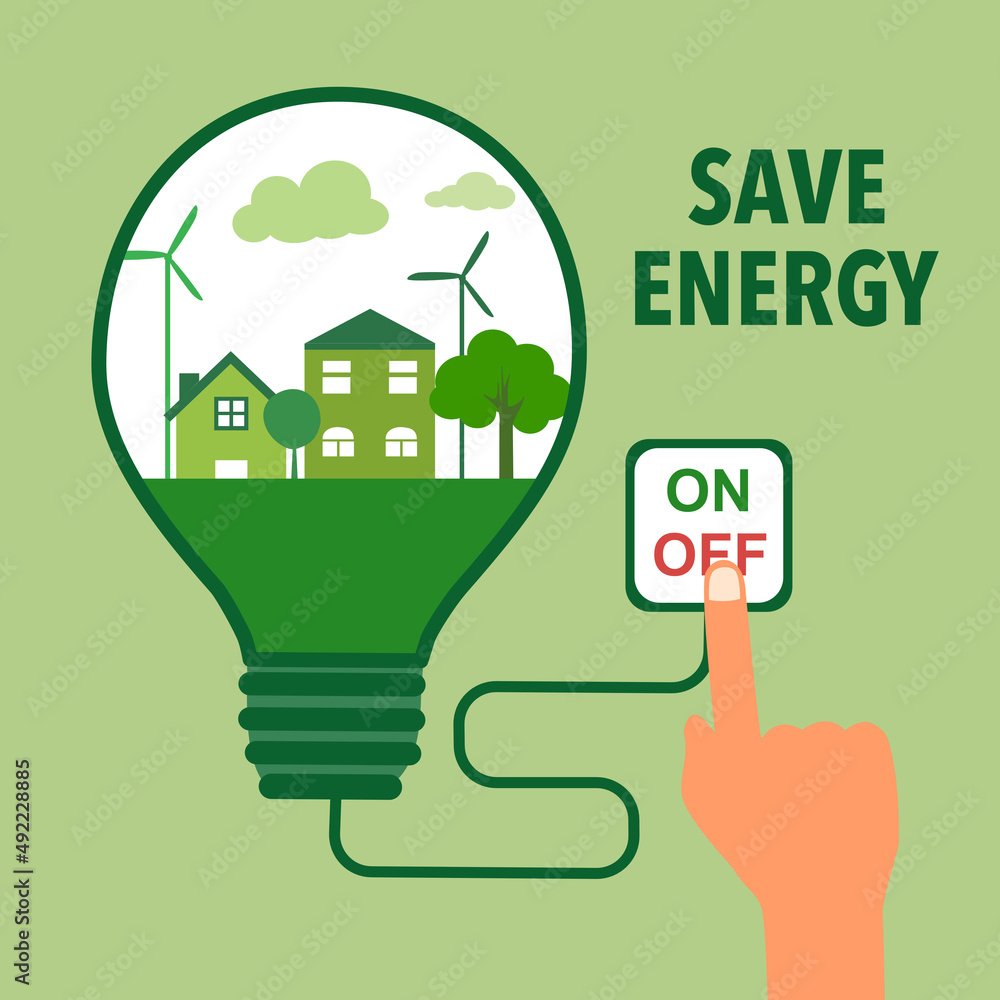
Making conscious choices about how you use energy in your home can significantly impact your energy bills and your comfort. While efficient systems and home improvements are crucial, changing your habits and adopting energy-saving behaviors can provide immediate and long-term benefits. This section focuses on practical strategies you can implement daily to minimize energy consumption and maximize your savings.
Thermostat Settings for Optimal Energy Efficiency
Adjusting your thermostat is one of the easiest and most effective ways to save energy. The ideal temperature settings depend on the season, but some general guidelines can help you optimize your energy use.* Heating Season: During the heating season, setting your thermostat a few degrees lower can result in substantial savings. The U.S. Department of Energy recommends setting your thermostat to 68°F (20°C) when you’re awake and 62°F (17°C) when you’re asleep or away from home.
Cooling Season
In the summer, raising your thermostat a few degrees can significantly reduce your cooling costs. The Department of Energy recommends setting your thermostat to 78°F (26°C) when you’re home and higher when you’re away.
Programmable Thermostats
Using a programmable or smart thermostat allows you to automate these adjustments. You can set different temperatures for different times of the day and days of the week, ensuring your home is comfortable when you need it and energy-efficient when you don’t.
Smart Thermostats and Learning Capabilities
Smart thermostats often learn your heating and cooling preferences and adjust the temperature automatically, further optimizing energy usage. Some even have geofencing features that adjust the temperature based on your proximity to your home.
Simple Habits for Reducing Energy Consumption
Incorporating energy-saving habits into your daily routine can make a significant difference in your energy consumption. Here are some simple, yet effective, habits to adopt:* Turn Off Lights: Make it a habit to turn off lights when leaving a room. This is a straightforward way to avoid wasting electricity.
Unplug Electronics
Many electronics, such as TVs, computers, and phone chargers, continue to draw power even when turned off. This “phantom load” can add up over time. Unplug these devices or use power strips to easily turn them off when not in use.
Use Natural Light
Whenever possible, utilize natural light during the day. Open curtains and blinds to let sunlight illuminate your home, reducing the need for artificial lighting.
Wash Clothes in Cold Water
Washing your clothes in cold water can save a significant amount of energy, as heating water accounts for a large portion of the energy used by a washing machine.
Air Dry Clothes
Air drying clothes, either indoors or outdoors, eliminates the energy used by a clothes dryer.
Close Curtains and Blinds
During the summer, close curtains and blinds during the hottest parts of the day to block sunlight and reduce heat gain. In the winter, open them during the day to let sunlight in and close them at night to help retain heat.
Reduce Water Heater Temperature
Set your water heater to 120°F (49°C) or lower to save energy. This temperature is generally sufficient for most household needs.
Regularly Change Air Filters
A clean air filter in your heating and cooling system improves efficiency and reduces energy consumption. Change filters as recommended by the manufacturer.
Use Energy-Efficient Appliances
When replacing appliances, choose models with high energy-efficiency ratings, such as those with the ENERGY STAR label.
Importance of Proper Appliance Usage
Proper appliance usage is crucial for energy efficiency. This involves not only choosing energy-efficient models but also using them correctly and avoiding overuse.* Energy-Efficient Settings: Utilize energy-efficient settings on your appliances whenever possible. For example, use the “eco” or “energy-saving” mode on your dishwasher and washing machine.
Avoid Overuse
Avoid running appliances unnecessarily. For example, avoid running a half-empty dishwasher or washing machine. Wait until you have a full load to maximize efficiency.
Proper Appliance Maintenance
Regularly maintain your appliances to ensure they operate efficiently. This includes cleaning the coils on your refrigerator, defrosting your freezer, and cleaning the lint filter in your dryer after each use.
Refrigerator and Freezer Efficiency
Ensure your refrigerator and freezer doors seal properly to prevent cold air from escaping. Avoid placing warm food directly into the refrigerator or freezer, as this can increase the internal temperature and cause the appliance to work harder.
Oven Usage
When using the oven, avoid opening the door frequently, as this releases heat and reduces efficiency. Use the oven light to check on food rather than opening the door. Consider using a toaster oven or microwave for smaller cooking tasks, as they consume less energy than a full-size oven.
Water Heater Maintenance
Insulate your hot water pipes to reduce heat loss. Drain a quart of water from your water heater every three months to remove sediment, which can reduce its efficiency.
Government Incentives and Rebates
Homeowners can significantly reduce their energy costs through various government programs and incentives designed to encourage energy-efficient upgrades. These programs provide financial assistance, making it more affordable to invest in energy-saving technologies and practices. Understanding and utilizing these resources is a crucial step in maximizing long-term savings and contributing to environmental sustainability.
Identifying Potential Government Programs
Government programs offer various incentives to homeowners to promote energy efficiency. These incentives often come in the form of rebates, tax credits, and grants. The specific programs available vary depending on location, including federal, state, and local initiatives.
- Federal Tax Credits: The federal government offers tax credits for certain energy-efficient home improvements. These credits can reduce the amount of income tax owed, effectively lowering the cost of upgrades. For example, the Energy Efficient Home Improvement Credit provides tax credits for improvements like qualified energy-efficient windows, doors, insulation, and central air conditioners.
- State and Local Rebate Programs: Many states and local governments offer rebate programs to incentivize energy-efficient upgrades. These rebates provide direct financial assistance, reducing the upfront cost of eligible products. Examples include rebates for installing energy-efficient appliances, heat pumps, and solar panels. The availability and amounts of these rebates vary by location.
- Grants and Loan Programs: Some government programs offer grants or low-interest loans to help homeowners finance energy-efficient projects. These programs can be particularly helpful for larger projects, such as solar panel installations or whole-home energy retrofits.
Finding and Applying for Rebates and Tax Credits
Locating and applying for energy-saving incentives requires research and attention to detail. Several resources can help homeowners navigate the process.
- Department of Energy (DOE) Website: The DOE website is a valuable resource for information on federal tax credits and other energy-efficiency programs. It provides details on eligibility requirements, application procedures, and qualified products.
- Energy Star Website: The Energy Star website, managed by the EPA, lists qualified energy-efficient products and provides information on available rebates and incentives. This site is a good starting point for finding rebates for appliances and other products.
- State and Local Government Websites: Checking the websites of state and local government energy departments is essential. These sites often provide details on local rebate programs, eligibility criteria, and application instructions.
- Energy Audits: Conducting a home energy audit can identify areas where energy efficiency can be improved and may qualify for rebates or incentives. Energy auditors can also provide guidance on available programs and application processes.
Requirements and Eligibility Criteria
Each energy-saving program has specific requirements and eligibility criteria. Understanding these criteria is essential for successful application.
- Product Requirements: Most rebate and tax credit programs require the use of specific, energy-efficient products. For example, windows must meet certain U-factor and Solar Heat Gain Coefficient (SHGC) ratings to qualify for a tax credit. Appliances must be Energy Star certified.
- Homeowner Eligibility: Eligibility criteria often include requirements related to homeownership, residency, and the type of project. Some programs may have income limitations.
- Documentation Requirements: Applications typically require documentation, such as receipts, product specifications, and proof of installation. Keeping detailed records is crucial.
- Application Deadlines: Programs often have application deadlines. It is essential to submit applications within the specified timeframe.
DIY Projects for Energy Savings
Embarking on do-it-yourself (DIY) projects is a practical and cost-effective way to improve your home’s energy efficiency. These projects empower homeowners to take control of their energy consumption and reduce their utility bills. Implementing these projects requires a basic understanding of energy-saving principles and a willingness to get hands-on. By following the right steps and prioritizing safety, you can significantly improve your home’s energy performance.
Sealing Air Leaks Around Windows and Doors
Sealing air leaks around windows and doors is a fundamental DIY project that can dramatically reduce energy waste. These leaks allow conditioned air to escape and unconditioned air to enter, increasing the workload on your heating and cooling systems. This process is relatively simple and requires minimal specialized tools, making it an ideal starting point for DIY energy savers.Here’s a step-by-step guide:
- Inspection: Begin by thoroughly inspecting all windows and doors. Look for gaps, cracks, and spaces where air can penetrate. Feel for drafts by holding your hand near the edges of the frames, sashes, and thresholds on windy days.
- Cleaning: Clean the areas around the windows and doors. Remove any dirt, dust, or old caulk or weatherstripping. A clean surface ensures better adhesion for the new materials.
- Choosing the Right Materials: Select appropriate materials for sealing.
- Caulk: Use caulk to seal gaps and cracks around the window and door frames. Silicone caulk is a good choice for exterior applications as it is weather-resistant. Acrylic latex caulk is suitable for interior use and is paintable.
- Weatherstripping: Weatherstripping is used to seal the space between the door or window sash and the frame. Choose weatherstripping based on the gap size. Options include foam tape, felt strips, and V-shaped vinyl or rubber strips.
- Caulking Windows and Doors:
- Apply caulk to the gaps and cracks around the frames. Use a caulk gun for precise application.
- Smooth the caulk bead with a wet finger or a caulk smoothing tool to create a tight seal.
- Installing Weatherstripping:
- Install weatherstripping along the edges of doors and windows where they meet the frame.
- For foam tape, peel off the backing and apply it directly to the frame.
- For felt strips, use adhesive or staples to attach them.
- For V-shaped strips, install them so that they compress slightly when the door or window is closed.
- Testing the Seal: After completing the project, close the windows and doors and check for any remaining drafts. If you find any, re-inspect the area and add more caulk or weatherstripping as needed.
Essential Tools and Materials for Common DIY Energy-Saving Projects
Having the right tools and materials is crucial for successfully completing DIY energy-saving projects. Preparing these items beforehand will streamline the process and prevent delays. Here’s a list of essential items for various tasks:
- For Sealing Air Leaks:
- Caulk gun
- Caulk (silicone or acrylic latex)
- Weatherstripping (foam tape, felt strips, or V-shaped vinyl/rubber strips)
- Utility knife or scissors
- Measuring tape
- Cleaning supplies (rags, cleaner)
- For Installing Low-Flow Showerheads and Faucet Aerators:
- Adjustable wrench
- Pipe tape (Teflon tape)
- Low-flow showerheads
- Faucet aerators
- For Insulating Pipes:
- Pipe insulation (foam sleeves)
- Utility knife or scissors
- Tape or zip ties
- For Installing LED Bulbs:
- LED light bulbs
- Step stool or ladder
Safety Precautions for DIY Energy-Saving Projects
Safety should always be the top priority when undertaking any DIY project. Taking the time to understand and follow safety precautions can prevent injuries and ensure the project’s success.Consider these safety guidelines:
- Wear appropriate safety gear: Protect yourself by wearing safety glasses to shield your eyes from debris, gloves to protect your hands, and a dust mask if you are working with insulation or dusty materials.
- Use tools correctly: Familiarize yourself with the proper use of all tools before starting the project. Read the manufacturer’s instructions and take the time to understand how each tool works.
- Work in a well-ventilated area: When using caulk, paint, or other materials that release fumes, ensure you’re working in a well-ventilated space to avoid inhaling harmful chemicals.
- Use a stable work surface: Use a sturdy ladder or step stool when working at heights. Ensure the ladder is placed on a level surface and is securely positioned.
- Turn off power: Before working on electrical projects, turn off the power at the circuit breaker to prevent electric shock. Double-check with a voltage tester to ensure the power is off.
- Follow manufacturer’s instructions: Always adhere to the manufacturer’s instructions for all materials and tools used. This will ensure the project is completed safely and effectively.
- Ask for help when needed: If you’re unsure about any part of a project, don’t hesitate to ask for help from a knowledgeable friend, family member, or professional.
Long-Term Planning for Energy Efficiency
Planning for long-term energy efficiency in your home is a crucial step towards minimizing energy costs and increasing the comfort and value of your property. This involves a proactive approach to identify areas for improvement, prioritize projects, and implement strategies that ensure your home remains energy-efficient for years to come. By adopting a long-term perspective, you can make informed decisions that not only save money but also contribute to a more sustainable lifestyle.
Benefits of a Home Energy Audit
A home energy audit is a comprehensive assessment of your home’s energy efficiency. It identifies areas where energy is being wasted and recommends specific improvements to enhance efficiency.
- Identification of Energy Leaks: An energy audit can pinpoint areas where air leaks, such as around windows, doors, and in the attic, are contributing to energy loss. A certified auditor often uses tools like a blower door test, which depressurizes the home to reveal leaks, and an infrared camera to detect thermal variations.
- Evaluation of Insulation: The audit assesses the effectiveness of your home’s insulation in walls, ceilings, and floors. This evaluation is critical because inadequate insulation can significantly increase heating and cooling costs.
- Assessment of Heating and Cooling Systems: The audit examines the performance of your HVAC system, including its age, efficiency, and operational condition. This can reveal opportunities for upgrading to more energy-efficient models.
- Identification of Appliance Energy Usage: The auditor can evaluate the energy consumption of your major appliances and provide recommendations for more efficient models or usage practices.
- Provision of Personalized Recommendations: Based on the audit findings, you receive a detailed report with specific recommendations for energy-saving improvements tailored to your home and your needs. This includes an estimated cost of each project and the projected savings.
Prioritizing Energy-Saving Projects
Prioritizing energy-saving projects is essential to maximize your return on investment. This process involves considering both the cost-effectiveness and the potential impact of each project.
- Cost-Effectiveness Analysis: Determine the payback period for each project by calculating the initial investment and the estimated annual energy savings. Projects with shorter payback periods are generally more cost-effective. For instance, replacing an old furnace with a high-efficiency model might cost $5,000 but save $500 per year on energy bills, resulting in a 10-year payback period.
- Impact Assessment: Evaluate the potential impact of each project on your energy consumption and comfort levels. Projects with a high impact, such as improving insulation or sealing air leaks, should be given higher priority.
- Phased Implementation: Break down large projects into smaller, manageable phases. This allows you to spread out costs over time and adjust your strategy as needed. For example, you could start by sealing air leaks and then move on to improving insulation.
- Consideration of Rebates and Incentives: Research available government rebates, tax credits, and utility incentives that can help offset the cost of energy-saving projects. These incentives can significantly reduce the payback period of certain investments.
- Long-Term Benefits: Consider the long-term benefits of each project, such as increased home value, improved indoor air quality, and reduced environmental impact.
Strategies for Maintaining and Improving Energy Efficiency
Maintaining and improving the energy efficiency of your home is an ongoing process that requires consistent effort and strategic planning.
- Regular Maintenance of HVAC Systems: Schedule annual maintenance for your heating and cooling systems. This includes changing air filters, cleaning coils, and checking for leaks. Regular maintenance can extend the life of your equipment and maintain its efficiency.
- Monitoring Energy Consumption: Use smart home technology, such as smart thermostats and energy monitors, to track your energy usage and identify areas where you can make adjustments. This can help you spot inefficiencies and make data-driven decisions.
- Periodic Home Energy Audits: Conduct a home energy audit every few years to reassess your home’s energy performance and identify any new areas for improvement. This ensures that your home remains energy-efficient over time.
- Staying Updated on New Technologies: Keep abreast of new energy-efficient technologies and practices. As new products and techniques emerge, you may find opportunities to further enhance your home’s energy performance.
- Investing in Smart Home Upgrades: Integrate smart home technology, such as smart lighting, automated window coverings, and smart appliances, to optimize energy usage and automate energy-saving tasks. For example, a smart thermostat can automatically adjust the temperature based on your schedule and preferences, reducing energy consumption when you are away from home.
Last Point
In conclusion, mastering “How to Save Money on Home Heating and Cooling” is an achievable goal that requires a combination of knowledge, planning, and consistent effort. By implementing the strategies discussed, from understanding your energy usage to taking advantage of government incentives, you can significantly reduce your energy bills, enhance your home’s comfort, and contribute to a more sustainable lifestyle.
Embrace these practices, and you’ll not only save money but also create a home that is both efficient and environmentally friendly, ensuring long-term savings and a brighter future.