Embarking on the journey toward financial freedom begins with understanding the importance of disciplined savings and strategic planning. This guide offers insights into building a secure financial future by adopting effective habits and actionable techniques that empower individuals to take control of their financial destiny.
By exploring budgeting methods, expense reduction, income enhancement, and smart investment strategies, readers can develop a comprehensive approach to accumulating wealth. Establishing emergency funds, automating savings, and consistently reviewing progress are key steps that reinforce long-term financial stability and independence.
Foundations of Financial Freedom

Achieving financial freedom is a goal that emphasizes independence from debt and the ability to sustain one’s lifestyle through accumulated wealth and consistent income streams. At its core, building this freedom depends heavily on disciplined saving habits and a clear understanding of financial principles. Developing the right mindset is essential, as it influences daily financial decisions and long-term planning, ultimately shaping the journey toward financial independence.
Establishing a solid foundation for financial freedom involves cultivating a psychological and behavioral mindset that prioritizes discipline, patience, and perseverance. These traits enable individuals to resist impulsive spending, remain focused on their savings goals, and adapt their habits to changing circumstances. The core principles of wealth building through consistent savings include strategic planning, disciplined expense management, and continuous financial education, all of which contribute to growing wealth steadily over time.
Psychological and Behavioral Mindset for Disciplined Saving
Developing a mindset conducive to disciplined saving requires a focus on long-term goals rather than short-term gratification. It involves cultivating habits that reinforce frugality and mindful spending, which can be reinforced through regular tracking of expenses and setting clear, achievable targets. Recognizing the importance of delayed gratification helps individuals resist impulsive purchases that can derail their savings plans, while celebrating milestones can sustain motivation over years of disciplined effort.
Furthermore, fostering a positive attitude toward money involves understanding its role as a tool for security and freedom, rather than a source of stress or materialism. Building resilience against setbacks and adopting a growth-oriented perspective ensures that occasional financial disruptions do not undermine overall progress. Cultivating patience allows for the compounding effect of savings to take hold, transforming small, consistent contributions into substantial wealth over time.
Core Principles of Building Wealth Through Consistent Savings
Consistent savings are the backbone of wealth accumulation and financial independence. The following principles serve as guiding pillars for effective wealth building:
- Pay Yourself First: Prioritize saving a fixed portion of income immediately upon receipt, ensuring that savings are not sacrificed due to discretionary spending.
- Live Below Your Means: Maintain spending habits that are less than your earnings, creating surplus funds that can be directed toward savings and investments.
- Automate Savings: Use automatic transfer systems to make saving effortless and consistent, minimizing the risk of human error or procrastination.
- Maintain an Emergency Fund: Set aside funds equivalent to three to six months of living expenses to provide financial security during unforeseen circumstances.
- Invest Wisely: Allocate savings into diversified investment vehicles suited to individual risk profiles and long-term objectives, enabling wealth growth through compounding.
Key Formula for Wealth Growth: Wealth = Savings × (1 + Investment Return Rate)^Time
This formula underscores the importance of consistent savings combined with earning returns on investments, highlighting how patience and discipline amplify wealth over time.
Budgeting Strategies for Saving Money

Implementing effective budgeting strategies is fundamental to building a stable financial foundation and achieving long-term financial freedom. A well-structured budget allows individuals to allocate income efficiently, prioritize savings, and identify unnecessary expenses that hinder wealth accumulation. By establishing disciplined financial habits, it becomes easier to control spending and direct funds toward meaningful savings and investments.
Developing a comprehensive budget involves meticulous planning and consistent tracking of expenses. It enables you to understand your financial inflows and outflows, highlight potential savings opportunities, and make informed decisions that align with your financial goals. Whether you are managing personal finances or household budgets, adopting the right strategies can significantly enhance your ability to save money effectively.
Create a Step-by-Step Monthly Budget
Constructing a practical monthly budget requires a systematic approach to ensure all financial aspects are covered and manageable. The following procedure provides clear steps to develop an effective budget:
- Calculate Total Income: Determine your net income after taxes, including salary, bonuses, side income, and any other sources of revenue. Use an average if your income fluctuates monthly to maintain consistency.
- List Fixed Expenses: Identify recurring monthly expenses such as rent or mortgage payments, utilities, insurance premiums, loan repayments, and subscriptions. These are predictable costs that must be accounted for first.
- Estimate Variable Expenses: Record expenses that fluctuate monthly, including groceries, transportation, dining out, entertainment, and shopping. Review past bank statements or receipts to estimate typical amounts spent.
- Set Savings Goals: Allocate a portion of your income toward short-term savings (emergency fund, vacations) and long-term investments (retirement, education). Prioritize these before discretionary spending.
- Allocate Funds and Adjust: Distribute your income accordingly, ensuring total expenses and savings do not exceed income. Adjust discretionary expenses to stay within your income limits while meeting savings targets.
- Review and Refine: Regularly evaluate your budget’s effectiveness by comparing planned versus actual expenses. Make necessary adjustments to stay aligned with your financial goals.
Track Expenses Effectively and Identify Savings Opportunities
Accurate expense tracking is vital for maintaining a realistic budget and highlighting areas where savings can be maximized. Employing systematic tracking methods reveals spending patterns, unnecessary expenditures, and potential savings avenues.
Effective expense tracking involves consistent documentation of all transactions, either manually through notebooks or digitally via apps. Categorizing expenses helps identify high-spending areas, allowing for targeted adjustments. For example, if dining out accounts for a significant portion of your monthly expenses, reducing frequency can lead to substantial savings.
Automating expenses through bank alerts or budgeting apps enhances accuracy and saves time. Regular reviews of expense reports help uncover trends and inform decisions to cut costs or reallocate funds toward savings. For instance, switching to more affordable utility providers or renegotiating insurance policies can result in immediate savings.
Identifying savings opportunities involves scrutinizing recurring expenses and seeking alternatives, discounts, or more economical options. Evaluating subscriptions, bulk purchasing, or eliminating non-essential services can free up funds for your savings goals.
Comparison of Budgeting Tools and Apps for Savings Efficiency
Utilizing the right budgeting tools and applications can significantly streamline expense tracking, enhance accuracy, and improve savings efficiency. The following table compares popular options based on features, usability, and effectiveness:
| Tool/App | Features | Ease of Use | Cost | Savings & Budgeting Efficiency | Additional Benefits |
|---|---|---|---|---|---|
| Mint | Automatic bank account syncing, expense categorization, bill tracking, goal setting | Very user-friendly with intuitive interface | Free | High; real-time expense tracking helps maintain an accurate budget and identify savings opportunities quickly | Customized alerts, credit score monitoring |
| YNAB (You Need A Budget) | Proactive budget planning, debt management, goal setting, reporting tools | Moderate; requires initial setup and learning curve | Monthly or yearly subscription | Very high; promotes disciplined savings and proactive expense management | Educational resources, mobile app synchronization |
| EveryDollar | Zero-based budgeting, expense tracking, debt payoff planning | Simple and straightforward user interface | Free version; premium offers additional features | Good; effective for detailed budget allocation and expense verification | Integration with Dave Ramsey’s financial philosophy |
| Personal Capital | Budgeting, investment tracking, net worth analysis | Intuitive for users familiar with investment tools | Free | High; combines budgeting with wealth management for comprehensive financial planning | Retirement planning calculators, portfolio analysis |
Cutting Expenses and Increasing Savings
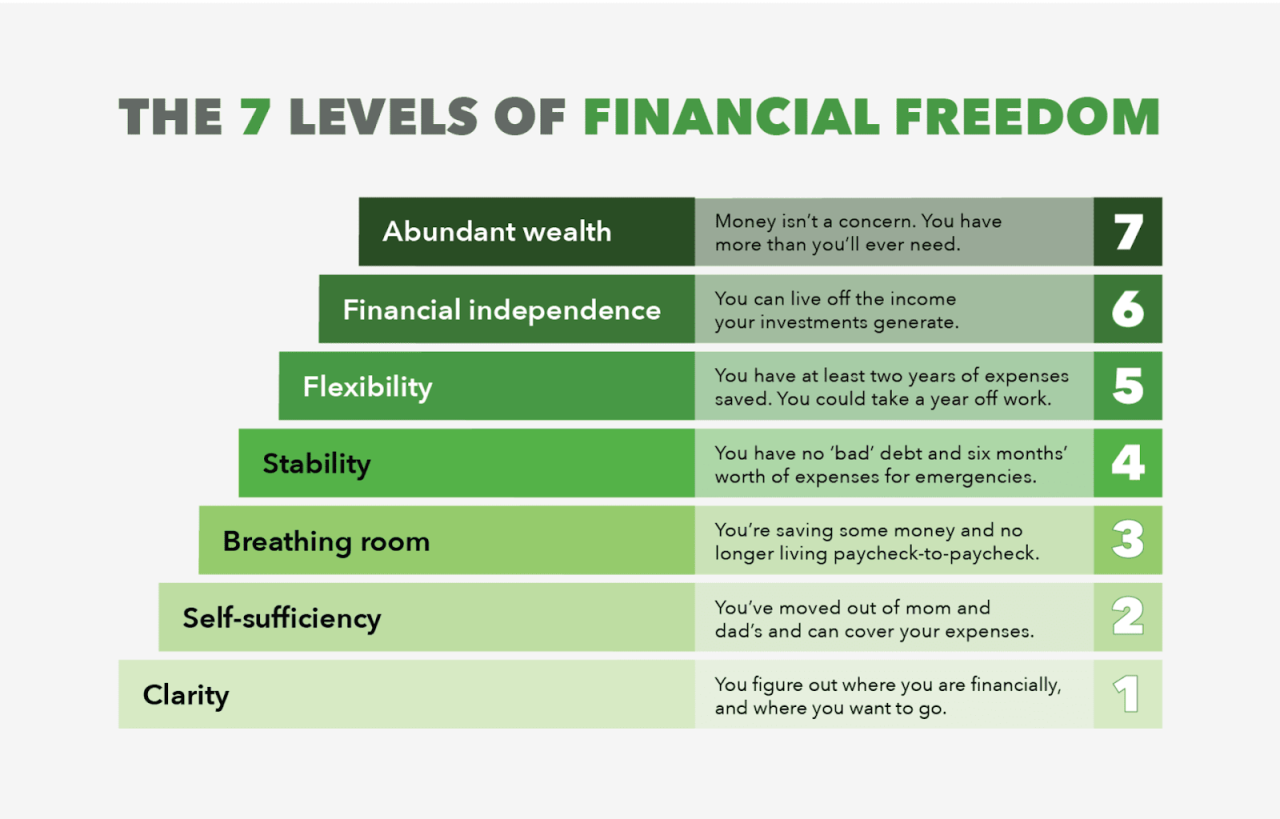
Achieving financial freedom hinges on the ability to effectively manage expenses while maximizing savings. Even small, consistent reductions in daily spending can accumulate over time, significantly enhancing your capacity to save and invest for your future goals. Implementing practical techniques to cut costs without sacrificing quality of life empowers you to build wealth steadily and sustainably.
By identifying common areas where unnecessary expenditures occur, you can develop targeted strategies to eliminate wasteful spending. From negotiating bills to seeking discounts, these methods serve as valuable tools in the journey toward financial independence. Adopting a disciplined approach to expense management ensures that your financial plans stay on track and progressively lead to greater stability and freedom.
Practical Techniques to Reduce Everyday Expenses
Reducing daily expenses requires mindful evaluation of current spending habits and adopting habits that promote savings while maintaining a comfortable lifestyle. Several effective techniques include:
- Comparing prices before making purchases, including groceries, clothing, and household items, to ensure you are getting the best value.
- Implementing a shopping list to avoid impulse buying and sticking to it strictly during grocery shopping.
- Opting for generic or store brands, which typically offer quality comparable to branded products at a lower cost.
- Reducing energy consumption by turning off unused appliances, using energy-efficient bulbs, and lowering heating or cooling costs.
- Preparing meals at home instead of dining out frequently, which can significantly decrease food expenses and promote healthier eating habits.
- Limiting subscription services and memberships that are underutilized or no longer necessary, and reviewing their necessity periodically.
- Using public transportation, biking, or carpooling to save on fuel, parking, and maintenance costs associated with private vehicle use.
- Setting a monthly budget for discretionary spending and tracking expenses to prevent overspending.
Identifying and Eliminating Unnecessary Spending
Common areas where unnecessary spending accumulates include entertainment, dining out, subscription services, and impulse purchases. Recognizing these areas allows for targeted reductions that can significantly boost savings. For example, entertainment expenditures such as frequent streaming services or expensive outings can be replaced with free or low-cost alternatives like community events, outdoor activities, or shared subscriptions.
Reviewing bank and credit card statements regularly helps identify recurring charges that may no longer be needed or used. Canceling unused memberships or negotiating better rates on existing bills can also contribute to savings. For instance, negotiating a lower cable or internet bill can often result in discounts without sacrificing service quality. Additionally, planning grocery shopping with a list and sticking to it prevents impulse buys, which often inflate monthly expenses.
Negotiating Bills and Finding Discounts
Financial discipline is enhanced by proactive approaches to reducing ongoing expenses. Negotiating bills and seeking discounts are effective methods to lower your monthly costs. Practical strategies include:
- Contactting your service providers—such as internet, cable, or insurance companies—to request better rates or explore available promotions. Many companies are willing to offer discounts to retain customers.
- Bundling services, like combining internet, phone, and TV packages, often results in cost savings over individual plans.
- Utilizing loyalty programs, cashback offers, and coupons when shopping online or in-store, which can lead to immediate savings or future discounts.
- Signing up for email alerts from favorite stores or service providers to receive exclusive discounts and promotional codes.
- Participating in seasonal sales events, clearance sales, and price comparison websites to find the best deals on high-value purchases.
- Taking advantage of student, senior, or military discounts when eligible, which are often available across various service and retail providers.
Employing these negotiation techniques and discount strategies not only reduces expenses but also fosters a proactive financial mindset, critical for building wealth and attaining long-term financial freedom.
Income Enhancement Methods
Increasing your income is a crucial step toward achieving financial freedom. By exploring additional streams of revenue and improving your earning capacity, you can accelerate your savings goals and build a more resilient financial foundation. These methods not only supplement your primary income but also contribute significantly to long-term wealth accumulation.Enhancing income involves strategic efforts such as taking on side hustles, developing new skills for career advancement, and optimizing existing employment opportunities.
Implementing these approaches requires a clear understanding of available options, time management, and dedication, but the rewards can be substantial in reaching your financial objectives more efficiently.
Side Hustle Ideas for Increased Savings
Engaging in side hustles is an effective way to generate supplementary income outside your regular job. The key is selecting opportunities that align with your skills, interests, or available resources to ensure sustainability and enjoyment.
- Freelance Services: Offering skills in writing, graphic design, web development, or marketing through platforms like Upwork, Fiverr, or Freelancer can provide a flexible way to earn extra income. The earning potential varies based on expertise and project complexity, with experienced freelancers earning $20–$100+ per hour.
- Online Tutoring: Teaching subjects, language skills, or music via platforms like VIPKid or Tutor.com allows you to capitalize on your knowledge. Tutors in high-demand subjects can earn $15–$50 per hour, with consistent scheduling increasing total income.
- Rental Income: Leasing out a spare room or property on Airbnb or other short-term rental platforms can generate steady cash flow, especially in high-demand locations. Income depends on location, property size, and occupancy rates.
- E-commerce and Dropshipping: Selling products through online stores on platforms like Shopify or Amazon enables entrepreneurs to earn profits from product margins. Effort involves inventory management, customer service, and marketing, with potential earnings ranging widely based on sales volume.
- Rideshare or Delivery Services: Driving for Uber, Lyft, DoorDash, or Uber Eats offers flexible hours and immediate income. Earnings depend on hours worked and location, typically averaging $10–$25 per hour, with additional tips boosting income.
Maximizing Current Income Through Skill Development and Promotions
Optimizing your existing employment income involves enhancing your skills to qualify for higher-paying roles or promotions. Investing in professional development can significantly impact your earning potential over time.
Strategies for maximizing current income include pursuing certifications, attending workshops, or taking courses relevant to your field. These efforts increase your value to employers, making promotions or salary raises more attainable. Consistently demonstrating initiative, taking on additional responsibilities, and showcasing leadership qualities can position you for internal advancement.
Another approach involves negotiating salary adjustments or benefits during performance reviews. Preparation includes researching industry salary standards, documenting your contributions, and clearly articulating your achievements to justify a raise or promotion.
“Continuous skill development and proactive career management are essential for increasing earning potential and accelerating financial goals.”
Diversified Income Sources: Potential Earnings and Effort Involved
Diversifying income streams reduces dependency on a single source and enhances financial stability. Recognizing the effort required and potential earnings helps in selecting suitable options that align with your capacity and goals.
| Income Source | Potential Earnings | Effort Level |
|---|---|---|
| Primary Job | $40,000–$120,000+ annually | Full-time commitment; steady workload |
| Side Hustles (Freelance, Rideshare, E-commerce) | $5,000–$50,000+ annually | Part-time; flexible hours based on availability |
| Rental Income | $2,000–$10,000+ per month (depending on property) | Moderate to high; property management involved |
| Passive Investments (Dividends, REITs, Bonds) | $1,000–$20,000+ annually | Low to moderate; initial investment and monitoring |
| Intellectual Property (e.g., writing books, creating online courses) | $500–$20,000+ annually | Varying; initial effort may be high, then passive income |
Combining multiple income sources diversifies your revenue streams, offering greater financial resilience and accelerated savings capacity. Each option’s effort level and potential earnings vary, allowing you to tailor your approach based on your skills, resources, and time availability.
Setting Savings Goals
Establishing clear and well-defined savings goals is fundamental to achieving financial freedom. Well-structured objectives provide direction, motivate disciplined saving, and enable effective progress tracking. Whether aiming to build an emergency fund, save for a major purchase, or plan for retirement, setting appropriate goals ensures sustainable financial habits and long-term success.Effective savings goals serve as a roadmap that aligns your income and expenditure with your financial aspirations.
By defining specific targets, you create measurable milestones that guide your ongoing efforts and promote disciplined financial behavior. Clear goals also enhance motivation, making it easier to stay committed during challenging times or economic fluctuations.
Defining SMART Financial Savings Targets
To maximize the likelihood of success, savings goals should be formulated using the SMART criteria, which ensures they are Specific, Measurable, Achievable, Relevant, and Time-bound. This structured approach transforms vague aspirations into practical, actionable plans.
- Specific: Clearly articulate what you intend to accomplish. For example, instead of “save money,” specify “save $10,000 for a down payment on a home.”
- Measurable: Establish concrete criteria to track progress. Quantify your goal, such as saving $500 per month towards your target.
- Achievable: Set realistic targets based on your income, expenses, and current financial situation. Avoid overly ambitious goals that could lead to frustration or abandonment.
- Relevant: Ensure your goals align with your broader financial aspirations and life plans. For example, saving for education expenses supports career development.
- Time-bound: Assign a clear deadline to reach your goal. For example, “accumulate $10,000 within 24 months” creates a sense of urgency and focus.
“A goal without a deadline is just a wish.” – Antoine de Saint-Exupéry
Importance of Short-term, Medium-term, and Long-term Goals
Categorizing savings objectives into short-term, medium-term, and long-term categories helps in prioritizing and structuring your financial planning process effectively. Each category plays a vital role in building a resilient and comprehensive savings strategy.
Short-term goals typically encompass savings needed within a year or less. Examples include building an emergency fund of three to six months’ worth of living expenses or saving for a holiday. These goals provide immediate financial security and liquidity, helping to manage unforeseen expenses without resorting to debt.
Medium-term goals generally span from one to five years. They often involve significant purchases or investments such as funding education, buying a vehicle, or establishing a substantial savings buffer for future expenses. Medium-term goals require disciplined planning and consistent saving efforts as they bridge immediate needs and long-term aspirations.
Long-term goals extend beyond five years, focusing on retirement, wealth accumulation, or estate planning. Achieving these objectives demands sustained financial discipline, investment strategies, and periodic adjustments aligned with changing circumstances and market conditions. For example, consistently contributing to a retirement fund over decades enables substantial growth through compound interest and investment returns.
Procedure for Tracking Progress Toward Savings Milestones
Monitoring your progress is crucial to ensure you remain aligned with your savings goals. Establishing a systematic approach facilitates timely adjustments, enhances motivation, and promotes accountability.
- Set Clear Benchmarks: Break down your main goal into smaller milestones. For example, saving $2,000 every quarter towards a $10,000 goal allows you to measure incremental progress.
- Maintain a Savings Journal or Digital Tracker: Use spreadsheets, mobile apps, or dedicated tools to record deposits, interest earned, and remaining balances regularly.
- Review and Adjust Periodically: Schedule monthly or quarterly reviews to evaluate your progress. If you find you’re falling behind, reassess your savings rate, cut unnecessary expenses, or extend your timeline accordingly.
- Celebrate Achievements: Recognize when milestones are reached to reinforce positive behavior and maintain motivation. Small rewards can boost persistence and commitment.
- Visualize Your Goals: Use charts or progress bars to make your journey tangible. Visual cues stimulate continued effort and remind you of your ultimate objectives.
Consistent tracking and periodic evaluation foster a proactive approach to financial management, enabling you to stay motivated and make informed decisions as you work toward your savings targets.
Investment Strategies for Financial Growth

Achieving financial freedom is greatly enhanced by not only saving diligently but also by making smart investments that generate additional income and grow wealth over time. Investing effectively can help accelerate your journey toward financial independence, especially when combined with disciplined saving habits. Understanding various investment options and their characteristics enables you to make informed decisions aligned with your financial goals and risk tolerance.Investing complements savings by providing opportunities for wealth accumulation through assets that typically offer higher returns than traditional savings accounts.
While savings provide safety and liquidity, investments have the potential for higher growth, albeit with varying degrees of risk. Combining both strategies ensures a balanced approach to building sustainable wealth, securing your financial future.
Investment Options Suitable for Beginners
For individuals starting their investment journey, selecting suitable options that balance risk and return is crucial. Beginners should focus on diversified, manageable investments that offer growth potential without exposing them to excessive risk. Here are common investment options suitable for those new to investing:
- Stocks: Buying shares of companies allows investors to participate in corporate growth. Stocks tend to offer higher returns over the long term but come with higher volatility. Beginners should consider starting with well-established companies or exchange-traded funds (ETFs) that track broad market indices to mitigate risks.
- Bonds: Bonds are debt securities issued by governments or corporations. They provide fixed interest payments and are considered safer than stocks. Bonds are suitable for conservative investors seeking steady income and capital preservation.
- Mutual Funds: Mutual funds pool money from multiple investors to purchase diversified portfolios of stocks, bonds, or other assets. They offer professional management and diversification, making them ideal for beginners looking to spread risk across multiple assets.
- Real Estate: Investing in property can provide rental income and potential appreciation. Real estate investments often require a larger initial capital but can serve as a hedge against inflation. Beginners can consider real estate investment trusts (REITs) for easier access and liquidity.
Investment Risks, Returns, and Liquidity Comparison
Understanding the characteristics of various investments helps tailor your portfolio in accordance with your risk appetite and financial goals. The following table summarizes the risks, expected returns, and liquidity of common beginner-friendly investment options:
| Investment Type | Risks | Expected Returns | Liquidity |
|---|---|---|---|
| Stocks | High volatility; market fluctuations can lead to significant short-term losses. | Potentially high over the long term; average annual returns around 7-10% historically. | Moderate to high; stocks can typically be sold within a few days on stock exchanges. |
| Bonds | Interest rate risk; potential default risk with some corporate bonds. | Moderate; average annual returns typically range from 3-5%. | High; bonds can usually be sold quickly, especially government bonds. |
| Mutual Funds | Market risk; performance depends on fund management and asset allocation. | Varies; long-term average returns similar to underlying assets, generally around 5-8%. | High; redemption usually occurs within a few days. |
| Real Estate / REITs | Market fluctuations; liquidity can be limited, especially for physical property. | Variable; rental yields and appreciation can lead to returns of 6-12% annually for REITs. | Lower for physical real estate; higher for REITs, which are traded on exchanges. |
blockquote>Choosing investment options aligned with your risk management capacity and financial goals is essential. Diversification across different asset classes can optimize growth while minimizing potential losses, paving the way toward sustained financial growth and, ultimately, financial freedom.
Building an Emergency Fund
An essential component of achieving long-term financial stability is establishing a robust emergency fund. This savings buffer acts as a financial safety net, enabling individuals to navigate unexpected expenses or income disruptions without jeopardizing their overall financial health.
Creating and maintaining an emergency fund requires deliberate planning and disciplined execution. By systematically setting aside funds, you can reduce financial stress, prevent debt accumulation during crises, and build confidence in your ability to handle unforeseen circumstances effectively.
Steps to Establish and Maintain an Emergency Savings Buffer
Building an emergency fund involves a series of strategic actions aimed at gradually accumulating sufficient resources. The process begins with assessing your current financial situation, identifying potential emergency scenarios, and setting clear savings targets. Consistency and discipline are key to ensuring the fund remains intact and grows over time.
- Assess Your Expenses and Risks: Analyze your monthly living costs, including housing, utilities, groceries, transportation, and insurance. Identify potential emergencies such as medical issues, job loss, or urgent repairs, to estimate the minimum fund size needed.
- Set a Realistic Savings Goal: Aim to save at least three to six months’ worth of essential expenses. This range provides a buffer that can cover most emergencies without requiring immediate replenishment.
- Create a Separate Savings Account: Open a dedicated account labeled as your emergency fund to prevent accidental spending. Choose an account with easy access but limited temptation for frequent withdrawals.
- Develop a Regular Saving Habit: Automate transfers from your primary income source to your emergency fund. Consistently contribute a fixed percentage of your income, such as 10-15%, to ensure steady growth.
- Monitor and Adjust: Periodically review your savings progress and adjust contributions based on income changes or evolving expenses. As your financial situation improves, increase your savings rate to reach your goal sooner.
Best Practices for Allocating Income to Emergency Savings
Allocating a specific portion of your income consistently toward your emergency fund is vital for sustained progress. Establishing a disciplined approach ensures that your savings grow steadily, regardless of income fluctuations or other financial priorities.
- Determine a Percentage Based on Income: Based on your financial capacity, designate a fixed percentage—commonly 10-15%—of your monthly income for emergency savings. For example, if you earn $3,000 monthly, setting aside $300 to $450 aligns with best practices.
- Prioritize Contributions During Income Increases: When receiving raises, bonuses, or other windfalls, allocate a portion of these extra funds to your emergency reserve. This accelerates your progress and reinforces disciplined saving.
- Adjust Contributions During Financial Fluctuations: If facing reduced income or increased expenses, revisit your savings plan to maintain consistency. Even smaller, regular contributions are more effective than sporadic efforts.
- Maintain Flexibility: While consistent contributions are ideal, adapt your savings plan as your circumstances change, ensuring that building your emergency fund remains a priority without undue hardship.
Benefits of Having an Emergency Fund for Financial Stability
An adequately funded emergency reserve offers numerous advantages that contribute to overall financial resilience and peace of mind. Recognizing these benefits underscores the importance of prioritizing emergency savings in your financial strategy.
- Reduces Dependence on Credit: Having cash readily available minimizes the need for credit cards, loans, or other debt sources during crises, saving you from high-interest payments and debt cycles.
- Provides Financial Peace of Mind: Knowing that you have a safety net alleviates anxiety associated with unforeseen expenses or income disruptions, fostering confidence in your financial stability.
- Prevents Disruption of Long-term Goals: An emergency fund helps you avoid diverting funds from investments or retirement savings when unexpected costs arise, ensuring your long-term objectives remain on track.
- Enhances Flexibility and Control: With an emergency buffer, you gain greater control over your financial decisions, enabling you to respond swiftly and effectively to emergencies without panic or financial strain.
- Builds Financial Discipline: The process of maintaining an emergency fund cultivates disciplined saving habits that are beneficial across all aspects of personal finance.
Automating Savings for Consistency
Implementing automatic transfers into savings accounts is a powerful strategy to ensure regular contributions towards your financial goals. Automation minimizes the risk of missing savings opportunities due to forgetfulness or fluctuating discretionary spending, fostering disciplined financial habits that support long-term wealth accumulation.
By establishing automatic savings, individuals can experience more consistent growth of their funds, reduce emotional decision-making related to spending, and create a seamless process that aligns with their income flow. This approach simplifies the journey toward financial freedom by embedding saving behaviors into daily routines, making it less burdensome to maintain discipline over time.
Setting Up Automatic Transfers to Savings Accounts
To effectively automate your savings, follow a systematic procedure that integrates seamlessly with your banking services. The key steps include:
- Assess your monthly income and expenses to determine a realistic savings amount that can be committed to automatically transfer without straining your finances.
- Log into your online banking portal or mobile banking app, which typically offers options for scheduled transfers or recurring payments.
- Navigate to the transfer or payment section and select the accounts involved—your main checking account and designated savings account.
- Specify the transfer amount, ensuring it aligns with your predetermined savings goal, and set the transfer frequency—such as daily, weekly, or monthly.
- Choose the date for the initial transfer and confirm the setup. Some banks also allow you to set up notifications or alerts to verify successful transactions.
- Regularly review your automated transfers to confirm they are functioning correctly and adjust the amounts or frequency as your financial situation evolves.
Most financial institutions provide user-friendly options for setting up and managing these automated transfers, making it a straightforward process that can be completed within minutes. Additionally, linking your accounts securely and maintaining updated contact information ensures smooth, uninterrupted contributions to your savings fund.
Advantages of Automation in Resisting Impulsive Spending
Automation plays a significant role in fostering disciplined savings habits by reducing opportunities for impulsive expenditures. When savings are automated, funds are moved out of immediate reach, decreasing the temptation to spend consciously or unconsciously on non-essential items. This disciplined separation of funds helps establish a mindset focused on long-term financial benefits rather than short-term gratification.
“Out of sight, out of mind”—automating savings ensures that your funds are allocated before discretionary spending happens, reinforcing positive financial behaviors.
Moreover, automation introduces consistency, which is crucial for building substantial savings over time. When individuals rely solely on manual transfers, delays or forgetfulness can hinder progress. Automated systems eliminate these risks, ensuring a steady and predictable increase in savings, empowering individuals to stay committed to their financial objectives regardless of daily temptations or emotional impulses.
Tools and Apps Facilitating Automatic Savings Contributions
Many modern banking tools and financial apps have streamlined the process of automating savings, making it accessible and convenient for users. These platforms often offer features like rounding up purchases, scheduled transfers, and goal-based savings. Some popular tools include:
| Tool/App | Features | Ease of Use |
|---|---|---|
| Banking Mobile Apps | Recurring transfer setup, notifications, account linking | High; often integrated within existing banking platforms |
| Digit | Automated savings based on spending habits, rounds up transactions, personalized savings plans | High; uses algorithms to analyze cash flow and optimize savings |
| Qapital | Rules-based savings, round-up features, goal tracking | High; user-friendly interface for setting specific rules and goals |
| Acorns | Round-up investments into diversified portfolios, automatic contributions | High; connects to debit/credit cards for seamless savings |
| Chime | Automatic round-up transfers, scheduled transfers, built-in savings account | High; designed for easy and automatic savings management |
These tools often provide additional features such as progress tracking, notifications, and personalized recommendations, further enhancing the user’s ability to maintain consistent savings habits effortlessly. Choosing the right app depends on individual preferences, banking relationships, and specific savings goals, but all aim to make disciplined saving a simple, habitual part of daily life.
Tracking and Reviewing Savings Progress
Maintaining a clear overview of your savings journey is essential for achieving financial freedom. Regularly tracking and reviewing your progress allows you to stay motivated, identify areas for improvement, and make necessary adjustments to your financial strategies. By implementing systematic review processes, you ensure your savings plan remains aligned with your goals and financial circumstances, fostering discipline and confidence in your financial management.Effective evaluation of your savings growth involves consistent monitoring of your financial data and evaluating whether your current strategies are effective.
This process helps in recognizing trends, celebrating milestones, and correcting course when needed. Utilizing visual tools such as charts and dashboards can simplify this process, making complex data more accessible and easier to interpret.
Methods for Monitoring and Adjusting Savings Strategies
To maintain momentum on your savings journey, adopt the following methods:
- Regular Financial Reviews: Schedule monthly or quarterly reviews of your savings accounts, investment portfolios, and overall financial health. During these sessions, compare actual savings to your planned targets and assess the impact of any changes in income or expenses.
- Adjust Strategies Based on Performance: If savings are below projections, consider increasing income streams or reducing discretionary expenses. Conversely, if savings are exceeding expectations, evaluate opportunities for accelerated investment or additional financial goals.
- Use Automated Alerts and Reminders: Set up notifications to prompt regular reviews or to alert you if savings fall below a certain threshold, ensuring timely responses to financial deviations.
Visualizing Progress with Charts and Dashboards
Visual tools transform raw data into comprehensible insights, making progress evaluations straightforward and motivating. Here are techniques to visualize your savings growth effectively:
- Line Charts: Plot your cumulative savings over time to observe growth trends, identify periods of rapid increase, or detect stagnation. For example, a monthly line chart showing your savings accumulation over the past year can reveal seasonal spending patterns or the impact of bonus payments.
- Pie Charts: Represent the proportion of different savings or investment accounts within your total portfolio. This helps in ensuring diversification and balancing your asset allocation.
- Dashboards: Integrate multiple visual elements such as charts, progress bars, and key financial metrics into a single dashboard. Many financial software tools offer customizable dashboards that update automatically, providing real-time insights into your savings status.
Sample HTML Table for Recording Monthly Savings and Interest Earned
Keeping an organized record of your monthly savings and the interest earned helps in tracking your progress accurately. Below is a sample table structure designed for this purpose:“`html
| Month | Starting Balance | Monthly Savings | Total Savings | Interest Earned | Ending Balance |
|---|---|---|---|---|---|
| January 2024 | $5,000.00 | $500.00 | $5,500.00 | $10.00 | $5,510.00 |
| February 2024 | $5,510.00 | $500.00 | $6,010.00 | $11.00 | $6,021.00 |
| March 2024 | $6,021.00 | $500.00 | $6,521.00 | $12.00 | $6,533.00 |
“`This table allows for easy monthly updates and provides a clear snapshot of your savings trajectory, including growth from both deposits and interest. Regularly updating and reviewing this record can help you stay motivated and informed about your path towards financial freedom.
Overcoming Challenges in Saving Money

Effective saving requires not only discipline and planning but also resilience in the face of inevitable obstacles. Recognizing common challenges and adopting strategies to overcome them can greatly enhance your journey toward financial freedom. Staying motivated during setbacks and cultivating the right mindset are essential components that ensure perseverance and long-term success.Financial goals often encounter hurdles such as unexpected expenses, fluctuating income, or emotional spending tendencies.
Addressing these challenges proactively allows you to maintain your savings momentum. It is equally important to develop mental resilience, reaffirm your commitment, and adjust strategies as needed to navigate through periods of financial difficulty.
Common Obstacles to Saving Money and How to Address Them
Many individuals face recurring barriers that hinder their ability to save consistently. These include unpredictable expenses, low income, debt repayment pressures, and impulse spending. Identifying these obstacles early enables the implementation of targeted solutions, turning potential setbacks into manageable situations.To manage unexpected expenses, establishing a flexible budget that incorporates a buffer or contingency fund is vital. For income fluctuations, diversifying income sources or increasing earning capacity through skill development can provide additional stability.
Reducing debt obligations by prioritizing high-interest debts can free up more funds for savings. Addressing impulse spending involves mindful consumption and avoiding transactional triggers like unnecessary online shopping or dining out.
Maintaining Motivation During Financial Setbacks
Financial setbacks are an inevitable part of any savings journey. Maintaining motivation during these times requires deliberate mental strategies and supportive habits. Celebrating small victories, such as reaching intermediate savings targets or reducing unnecessary expenses, reinforces positive behavior. Visualizing long-term rewards, like financial independence or a specific goal, helps sustain enthusiasm. Connecting with a community of like-minded savers or seeking support from financial advisors can also provide encouragement and accountability.Developing resilience involves viewing setbacks as temporary and learning opportunities.
Reassessing your financial plan, adjusting goals if necessary, and reaffirming your commitment remind you of the bigger picture, minimizing discouragement and fostering perseverance.
Mindset Shifts for Long-term Savings Success
Achieving and maintaining consistent savings over the years often requires a fundamental change in mindset. The following shifts are crucial for fostering a sustainable savings habit:
- Prioritize delayed gratification over instant spending: Recognize the value of saving today for a more secure tomorrow.
- View savings as a form of self-care and empowerment: Empower yourself by taking control of your financial future rather than feeling restricted by limitations.
- Adopt a growth-oriented perspective: See financial setbacks as opportunities to learn and improve your strategies.
- Embrace discipline as a positive habit: Cultivate consistency and patience, understanding that wealth accumulation is a gradual process.
- Focus on progress, not perfection: Celebrate incremental improvements and remain adaptable in your approach.
- Build resilience and patience: Recognize that setbacks are normal and develop strategies to recover and stay committed.
Implementing these mindset shifts transforms the daunting task of saving into a rewarding and empowering journey. With resilience, strategic planning, and a positive outlook, overcoming obstacles becomes a natural part of moving toward financial freedom.
Outcome Summary
In conclusion, achieving financial freedom through diligent saving requires commitment, strategic planning, and continuous adaptation. By applying the principles discussed, individuals can overcome challenges and steadily move toward a more secure and prosperous future, turning their financial goals into reality.