How to Save Money by Using Second-Hand Items is more than just a thrifty practice; it’s a smart approach to consumption that benefits both your wallet and the planet. In a world increasingly focused on sustainability and mindful spending, embracing pre-owned goods has become a powerful way to reduce waste, extend the lifespan of products, and unlock significant financial savings.
This comprehensive guide delves into the art of second-hand shopping, providing valuable insights and practical tips to help you navigate the world of pre-owned items with confidence and success.
From clothing and furniture to electronics and beyond, the second-hand market offers a vast array of opportunities to acquire quality items at a fraction of their original cost. We’ll explore various categories where savings are most substantial, uncover the best places to find these treasures, and equip you with the knowledge to assess item quality, negotiate prices, and care for your purchases, ensuring they last for years to come.
Prepare to transform your shopping habits and discover the rewarding world of second-hand treasures.
Introduction: The Value of Second-Hand Items
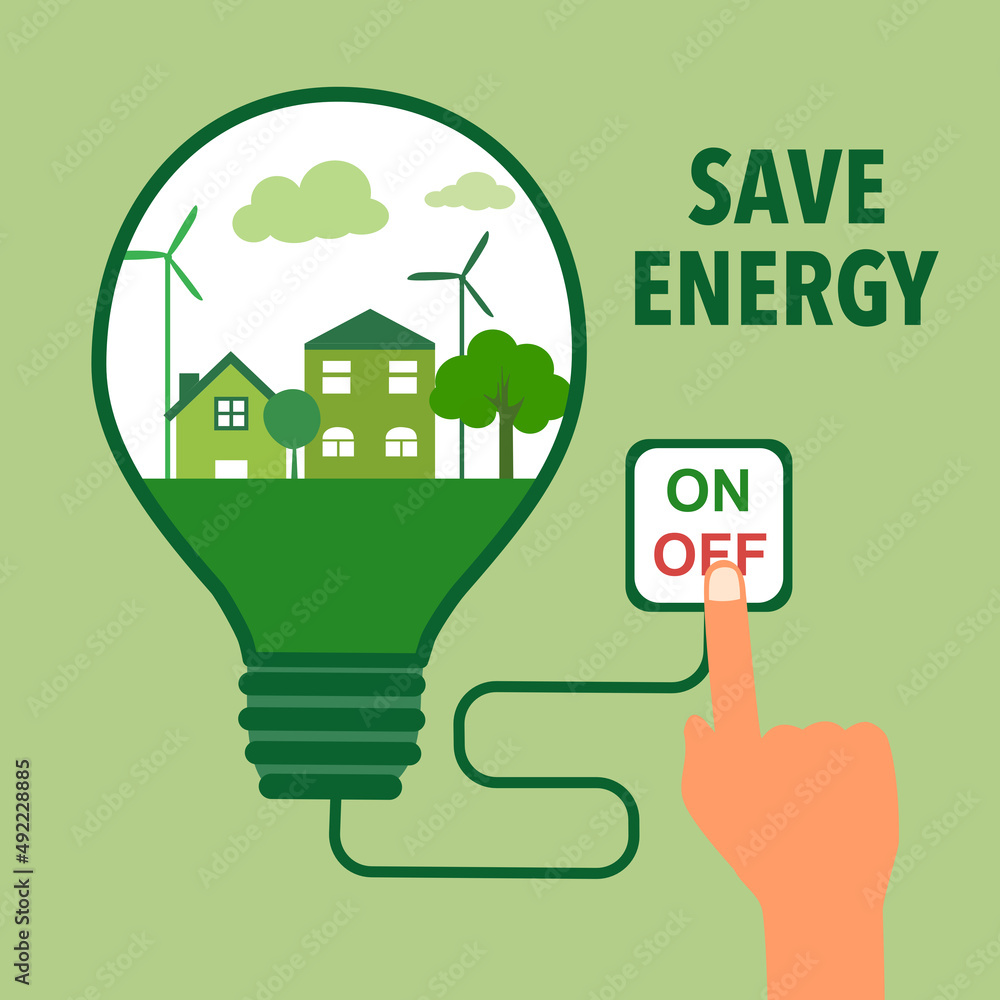
Purchasing second-hand items presents a compelling avenue for significant financial savings while simultaneously contributing to environmental sustainability. This approach involves acquiring pre-owned goods, which are often available at considerably lower prices than their brand-new counterparts. The practice extends beyond mere cost reduction, encompassing a broader philosophy of resourcefulness and responsible consumption.
Understanding the Savings Potential
The core principle behind saving money with second-hand items lies in the price difference between used and new products. Depreciation, the decline in value of an asset over time, significantly impacts the cost of goods. Many items, especially those in good condition, can be purchased at a fraction of their original retail price. This price differential creates an immediate opportunity to reduce spending, allowing consumers to allocate funds to other priorities or build savings.
Market Growth and Consumer Spending Impact
The second-hand market has experienced substantial growth in recent years, reflecting a shift in consumer behavior and a growing awareness of the benefits of pre-owned goods. This expansion is fueled by several factors, including increased online marketplaces, growing environmental consciousness, and a desire for affordability. The impact on consumer spending is noteworthy. Consumers are increasingly opting for second-hand options across various categories, from clothing and electronics to furniture and vehicles.
This shift directly translates into reduced spending on new items, freeing up disposable income and potentially contributing to lower overall inflation.The growth of the second-hand market is reflected in these examples:
- According to a report by GlobalData, the global second-hand apparel market is projected to reach $77 billion by 2026, demonstrating a substantial increase from previous years.
- Platforms like ThredUp and Poshmark have witnessed exponential growth in user base and sales, highlighting the mainstream appeal of second-hand fashion.
- The used car market consistently outperforms the new car market in terms of sales volume, indicating a preference for pre-owned vehicles.
Environmental Advantages of Second-Hand Items
Choosing second-hand items offers significant environmental advantages compared to purchasing new ones. The production of new goods requires raw materials, energy, and water, contributing to pollution and resource depletion. By opting for pre-owned items, consumers extend the lifespan of existing products, reducing the demand for new manufacturing and its associated environmental impact. This approach aligns with the principles of a circular economy, which aims to minimize waste and maximize the use of existing resources.The environmental benefits are multifaceted, encompassing:
- Reduced Waste: Buying second-hand items prevents them from ending up in landfills prematurely, decreasing waste accumulation.
- Lower Carbon Footprint: The manufacturing process of new goods often generates significant greenhouse gas emissions. Choosing second-hand reduces this impact.
- Conservation of Resources: Manufacturing new products requires extracting raw materials and consuming energy. Second-hand purchases reduce the demand for these resources.
- Water Conservation: The production of certain goods, such as clothing, requires significant water usage. Choosing pre-owned clothing conserves water resources.
Identifying Potential Savings
Purchasing second-hand items presents a significant opportunity to reduce spending without compromising on quality or functionality. By strategically choosing pre-owned goods, individuals can unlock substantial savings across various categories, contributing to both personal financial well-being and environmental sustainability. This section explores the areas where the benefits of buying used items are most pronounced.
Popular Categories for Savings
Several categories consistently offer the greatest potential for financial savings when opting for second-hand purchases. These categories are often characterized by high depreciation rates, making used items a considerably more affordable option compared to their brand-new counterparts.
- Clothing: Clothing depreciates rapidly, making second-hand clothing an excellent choice. Designer brands and everyday wear alike can be found at a fraction of their original retail price. Savings can often range from 50% to 90% off the original price.
- Furniture: Furniture, especially large pieces, can be quite expensive. Second-hand furniture provides a practical way to furnish a home without breaking the bank. Depending on the item’s condition and brand, savings typically fall between 40% and 70%.
- Electronics: Electronics, including smartphones, laptops, and gaming consoles, depreciate significantly once they leave the store. Buying used electronics can lead to considerable savings, frequently between 30% and 60%, especially for items that are just a generation or two old.
- Books: Books, particularly textbooks and novels, can be purchased second-hand at a fraction of their new cost. This is especially true for textbooks, which often have high initial prices. Savings of 50% to 80% are common.
- Toys: Children’s toys, which are often outgrown quickly, are another prime area for second-hand purchases. Parents can save a significant amount of money by buying used toys, with savings frequently ranging from 40% to 70%.
Cost Comparison: New vs. Second-Hand
The following table illustrates the cost differences between purchasing new and second-hand items across various product types. The examples provided highlight the potential for significant savings.
| Product Type | New Price (Approx.) | Second-Hand Price (Approx.) | Potential Savings | Example |
|---|---|---|---|---|
| Designer Handbag | $2,000 | $800 | 60% | A pre-owned Louis Vuitton Neverfull bag in good condition. |
| Sofa | $1,500 | $750 | 50% | A used, but well-maintained, three-seater sofa from a reputable brand. |
| Smartphone (Latest Model) | $1,000 | $600 | 40% | A recent-generation iPhone in excellent condition. |
| Textbook | $150 | $60 | 60% | A used college textbook for a popular course. |
| Children’s Bike | $200 | $80 | 60% | A used children’s bike in good working order. |
These figures are illustrative and savings will vary based on brand, condition, and the specific item. However, the examples clearly demonstrate the significant cost advantages of embracing the second-hand market.
Sourcing Second-Hand Items

Finding the right second-hand items at the best prices is crucial for maximizing your savings. Knowing where to look and how to navigate these different avenues can significantly impact your ability to find quality goods at a fraction of the original cost. This section will explore various sourcing methods, detailing their pros and cons and providing practical tips for successful bargain hunting.
Online Marketplaces and Platforms
Online platforms offer a vast selection of second-hand items, often with the convenience of home delivery. They connect buyers and sellers, facilitating transactions across geographical boundaries. However, navigating these platforms requires careful consideration to ensure a safe and rewarding experience.
- Online Marketplaces: Platforms like Facebook Marketplace, Craigslist, and OfferUp are popular choices. They typically offer a wide range of items, from furniture and electronics to clothing and collectibles.
- Pros: Wide selection, local options (for easy pickup), often lower prices due to direct seller-buyer interactions.
- Cons: Potential for scams, quality inconsistencies, need to arrange pickup/delivery.
- Tips:
- Carefully review seller profiles and ratings.
- Ask for additional photos and details about the item’s condition.
- Meet in a public place for transactions.
- Pay with a secure payment method that offers buyer protection (e.g., PayPal, some credit cards).
- Specialized Online Marketplaces: Websites like eBay, Poshmark (for clothing), and Etsy (for vintage and handmade items) cater to specific niches.
- Pros: More curated selections, often better quality control, built-in buyer protection.
- Cons: May have higher prices due to seller fees and specialized markets, shipping costs can add up.
- Tips:
- Read item descriptions carefully, paying attention to condition and any included accessories.
- Check seller feedback and reviews before making a purchase.
- Understand the platform’s return policy.
- Factor in shipping costs when comparing prices.
- Online Consignment Shops: Platforms like ThredUp and The RealReal offer curated selections of second-hand clothing and luxury goods.
- Pros: Items are typically authenticated and inspected, making it easier to trust the quality, user-friendly interfaces.
- Cons: Higher prices compared to other second-hand options, limited selection compared to broader marketplaces.
- Tips:
- Familiarize yourself with the return policies.
- Pay attention to sizing charts, as sizing can vary between brands.
- Sign up for email alerts for sales and promotions.
Physical Locations: Thrift Stores, Consignment Shops, and More
Beyond the digital realm, physical locations offer another avenue for sourcing second-hand items. These locations provide opportunities to inspect items in person and often offer immediate gratification. Each type of location has its own unique advantages and considerations.
- Thrift Stores: These stores, such as Goodwill, Salvation Army, and local charities, offer a wide variety of items at generally low prices.
- Pros: Extremely low prices, wide variety of items, supporting charitable causes.
- Cons: Inconsistent quality, items may need cleaning or repair, can be time-consuming to find good deals.
- Tips:
- Visit regularly, as inventory changes frequently.
- Inspect items carefully for damage or wear.
- Be prepared to clean or repair items.
- Look for color-coded tags or sales days for discounts.
- Consignment Shops: These stores sell items on behalf of individuals, typically offering higher-quality goods than thrift stores.
- Pros: Better quality items, often curated selections, items are typically in better condition.
- Cons: Higher prices than thrift stores, selection can be limited.
- Tips:
- Ask about the shop’s return policy.
- Check for any visible flaws or damage.
- Inquire about the original retail price to gauge the savings.
- Garage Sales and Yard Sales: These events offer direct access to items from local sellers.
- Pros: Very low prices, direct negotiation with sellers, opportunity to find unique items.
- Cons: Limited selection, items may not be in the best condition, sales are often seasonal and location-specific.
- Tips:
- Arrive early for the best selection.
- Bring cash, as some sellers may not accept other forms of payment.
- Don’t be afraid to negotiate prices.
- Inspect items carefully before purchasing.
- Flea Markets and Antique Shops: Flea markets offer a diverse range of items, while antique shops specialize in older, often valuable, goods.
- Pros: Unique and rare finds, potential for valuable items, opportunity to negotiate prices.
- Cons: Prices can vary widely, items may be overpriced, can be time-consuming to find good deals.
- Tips:
- Research prices beforehand to ensure you’re getting a good deal.
- Inspect items carefully for authenticity and condition.
- Be prepared to negotiate prices.
- Look for items with provenance (history) to increase their value.
Assessing Item Quality
Purchasing second-hand items offers significant financial benefits, but ensuring the quality of these items is paramount. Thorough inspection before committing to a purchase helps to avoid disappointment and potential financial losses. Taking the time to assess an item’s condition is a crucial step in maximizing savings and ensuring satisfaction with your second-hand acquisitions.
Importance of Inspection
Inspecting second-hand items before buying is vital for several reasons. It allows you to identify any existing damage or wear and tear that may affect the item’s functionality or lifespan. It also provides an opportunity to negotiate the price based on the item’s condition. Furthermore, careful examination can reveal hidden issues that might not be immediately apparent, such as underlying structural problems or malfunctioning components.
Key Factors for Evaluating Goods
Different types of second-hand goods require different assessment criteria. The following checklist Artikels key factors to consider when evaluating various categories of items:
- Clothing: Examine the fabric for signs of wear, such as fading, pilling, or tears. Check seams for loose threads or unraveling. Inspect zippers, buttons, and other closures to ensure they function correctly. Look for stains, discoloration, or odors that may indicate improper care or storage. Consider the overall fit and style to ensure it meets your needs.
- Electronics: Test all functions of the device, including power, display, and connectivity. Inspect for physical damage, such as scratches, dents, or cracks. Check the battery life (if applicable) and assess its performance. Ask about the item’s history, including its age and usage. Verify the serial number and confirm its authenticity.
- Furniture: Inspect the frame and joints for stability and signs of damage, such as wobbling or loose connections. Examine the upholstery for tears, stains, or fading. Check drawers and doors to ensure they open and close smoothly. Look for any signs of pest infestation, such as small holes or droppings. Assess the overall cleanliness and consider any necessary repairs or cleaning.
- Books: Check the spine for wear and tear. Examine the pages for tears, stains, or markings. Ensure that all pages are present and securely bound. Assess the overall condition of the cover, including any damage or discoloration.
- Vehicles: The inspection of a used vehicle is a comprehensive process that can prevent significant financial and safety risks. This process should include a thorough inspection of the exterior, interior, and mechanical components of the vehicle. Check for any rust, dents, or scratches on the body. Examine the tires for wear and tear and ensure that the tread depth is adequate.
Inspect the interior for damage to upholstery, dashboard, and controls. Conduct a test drive to assess the engine’s performance, transmission, and brakes. Verify that all lights and signals are functioning correctly. Request a vehicle history report to check for accidents, maintenance records, and ownership history.
Identifying Wear, Damage, and Negotiating Prices
Identifying signs of wear and tear, damage, or potential issues is essential for negotiating a fair price.
Assessing the condition of an item allows you to determine its true value.
Here’s how to approach price negotiation:
- Document the issues: Take photos or make notes of any flaws you identify. This provides concrete evidence to support your negotiation.
- Research market prices: Determine the average price for similar items in similar condition. This gives you a benchmark for negotiation.
- Be realistic: Consider the cost of any necessary repairs or cleaning. Factor these costs into your offer.
- Be polite but firm: Clearly state the issues you’ve found and explain why you believe the price should be lower.
- Be prepared to walk away: If the seller is unwilling to negotiate a reasonable price, be ready to look for another item.
Negotiating Prices

Successfully negotiating prices is a crucial skill in maximizing savings when purchasing second-hand items. It allows you to acquire items at a lower cost, potentially freeing up funds for other expenses or increasing your overall purchasing power. This section Artikels effective strategies and techniques to confidently negotiate prices and secure better deals.
Strategies for Effective Price Negotiation
Developing a strategic approach to price negotiation can significantly impact the final cost of a second-hand item. Preparation and a confident demeanor are key elements in this process.
- Research Market Value: Before initiating negotiations, determine the item’s fair market value. Check online marketplaces, auction sites, and similar listings to understand the average selling price for comparable items in similar condition. This research provides a solid foundation for your negotiation.
- Assess the Item’s Condition: Carefully inspect the item for any defects, wear, or damage. Document these observations. This assessment forms the basis for your price reduction requests.
- Be Polite and Respectful: Maintain a courteous and respectful attitude throughout the negotiation process. A positive interaction is more likely to lead to a successful outcome.
- Set a Budget: Determine your maximum acceptable price before beginning negotiations. Stick to your budget to avoid overspending.
- Be Prepared to Walk Away: If the seller is unwilling to negotiate within your budget or a reasonable range, be prepared to walk away. There are often other similar items available.
Phrases and Techniques for Price Negotiations
Employing specific phrases and techniques can enhance your negotiation skills. Practice these approaches to build confidence and increase your chances of securing a lower price.
- Highlight Imperfections: Politely point out any flaws or defects you’ve identified, justifying your request for a lower price. For example, “I noticed this small scratch on the surface. Would you be willing to adjust the price accordingly?”
- Make a Reasonable Offer: Start with a lower offer than your target price, allowing room for negotiation. Be prepared to justify your offer based on the item’s condition and market value.
- Use the “Walk Away” Technique: If the seller is firm on the price, express your hesitation and suggest you need to consider other options. This can sometimes prompt the seller to offer a better deal.
- Bundle Purchases: If purchasing multiple items from the same seller, ask for a discount on the total purchase. For example, “Since I’m buying these three items, would you consider offering a combined price?”
- Mention Competition: If you’ve found a similar item elsewhere at a lower price, politely mention it as leverage. “I saw a similar item listed for [price]. Would you be able to match or come close to that price?”
Examples of Effective Phrases:
- “Given the [specific defect], would you consider a price of [lower offer]?”
- “I’ve researched similar items, and the average price seems to be around [price range]. Would you be willing to negotiate?”
- “I’m very interested in this item, but my budget is [budget]. Could we work something out?”
- “I am willing to purchase the item today if you can come down on the price a bit.”
Determining a Fair Price
Calculating a fair price involves considering multiple factors to ensure you’re making a sound purchase. It’s essential to balance the item’s condition, age, and original retail price to arrive at a reasonable offer.
- Item Condition: The condition of the item is a primary determinant of its value.
- Excellent Condition: Items in near-new condition may command a higher percentage of the original retail price, often 70-90%.
- Good Condition: Items with minor wear and tear might be priced at 50-70% of the original retail price.
- Fair Condition: Items with noticeable damage or wear could be priced at 30-50% of the original retail price.
- Poor Condition: Items with significant damage may be worth less than 30% of the original retail price, depending on their functionality and repairability.
- Item Age: The age of the item can influence its value.
- Vintage and Antique Items: These items may appreciate in value over time, depending on their rarity, condition, and collectibility. Research the market value of comparable vintage items.
- Modern Items: Depreciation is common for newer items. The older the item, the lower the expected price.
- Original Retail Price: The original retail price provides a baseline for comparison. Use online resources to determine the original retail price of the item, especially if the seller does not provide it.
- Market Demand: The demand for the item can impact the price. Highly sought-after items may command a higher price, while items with low demand may be more negotiable.
Example: A used designer handbag originally retailed for $1,000. It is in good condition with minor scratches. Based on these factors, a fair price might be in the range of $500-$700.
Specific Item Guides: Saving Money on Common Purchases
Buying second-hand items can significantly reduce expenses across various categories. This section provides specific guidance on saving money when purchasing clothing, electronics, and furniture, highlighting key considerations for each type of item.
Saving Money on Clothing
Purchasing used clothing is a great way to save money and reduce textile waste. Careful consideration of factors like brand, material, and quality can maximize savings and ensure satisfaction with your purchases.Consider the following when buying second-hand clothing:
- Brand Research: Research brands known for durability and timeless designs. Brands like Patagonia, Everlane, and Levi’s often maintain their value and quality over time. This means used items from these brands are more likely to be in good condition and last longer. For example, a used Patagonia jacket might cost less than a new one but still offer excellent performance and longevity.
- Material Considerations: Prioritize natural fibers like cotton, wool, and linen, as they tend to wear better and often age gracefully. Avoid synthetic materials like polyester and nylon if longevity is a key concern, as they may show wear and tear more quickly. Check the care label for washing instructions. For example, a well-maintained wool sweater can last for years, while a polyester blouse might pill after only a few washes.
- Identifying Quality: Examine seams, zippers, and buttons for any signs of wear or damage. Check for stains, holes, and fading. Look for reinforced stitching in high-stress areas, such as the knees of pants or the elbows of jackets. A garment with sturdy construction is more likely to withstand regular use. For example, a jacket with double-stitched seams is generally more durable than one with single-stitched seams.
- Fit and Style: Consider the fit and style of the clothing. Ensure the item fits well and suits your personal style. Trying on the item, if possible, is highly recommended to avoid returns. If buying online, carefully review the size charts and measurements provided by the seller.
Buying Used Electronics
Purchasing used electronics offers significant savings, but it’s essential to assess several factors to ensure you get a functional and reliable product. Consider the following:
- Battery Life: For devices like smartphones and laptops, battery life is crucial. Inquire about the battery’s health and usage history. Ask the seller how long the device lasts on a single charge. If possible, request a battery health report. Replacement batteries can be costly, so this is an important consideration.
- Software Updates: Confirm whether the device receives software updates. Older devices may not receive the latest updates, potentially compromising security and functionality. Research the device’s end-of-life date for software support. A device that still receives updates is a better investment.
- Warranty Information: Determine if the device is still under warranty or if the seller offers any warranty. A warranty provides protection against defects or malfunctions. Check the original purchase date and the warranty terms.
- Physical Condition: Inspect the device for physical damage, such as scratches, dents, or screen cracks. Test all buttons, ports, and features to ensure they function correctly. Consider asking the seller for photos or videos of the device in operation.
- Accessories: Check if the device includes original accessories, such as chargers, cables, and manuals. These accessories can be expensive to replace.
Purchasing Used Furniture
Used furniture can be a cost-effective way to furnish a home, but it’s important to evaluate the items carefully. Consider these aspects when buying used furniture:
- Structural Integrity: Examine the furniture’s frame, joints, and legs for stability. Wiggle the furniture to check for any looseness or wobbling. Check for signs of wood rot, insect infestation, or water damage.
- Material Durability: Assess the condition of the materials, such as upholstery, wood, or metal. Look for tears, stains, or excessive wear on upholstery. Check for scratches, dents, or fading on wooden furniture.
- Potential for Restoration: Consider the potential for restoring the furniture. If the item has minor flaws, such as scratches or worn upholstery, determine if you can repair it yourself or if professional restoration is feasible. Restoring a piece of furniture can add value and extend its lifespan. For example, reupholstering a vintage sofa can significantly improve its appearance and comfort.
- Size and Functionality: Ensure the furniture fits your space and meets your needs. Measure the available space and compare it to the dimensions of the furniture. Consider the furniture’s functionality and how it will be used.
- Material Safety: If you have young children or pets, consider the materials used in the furniture. Avoid furniture with sharp edges or potentially toxic materials.
Maintaining and Caring for Second-Hand Items

Proper care and maintenance are crucial for extending the lifespan of second-hand items and maximizing their value. By investing a little time and effort, you can prevent premature wear and tear, maintain the item’s functionality, and potentially increase its resale value if you choose to part with it later. This section provides practical guidance on how to properly care for various second-hand goods.
Extending Lifespan Through Proper Care
Taking care of second-hand items is similar to caring for new ones, often involving regular cleaning, preventative maintenance, and prompt repairs. The primary goal is to slow down the natural process of degradation caused by use and environmental factors. This not only ensures the item remains functional for a longer period but also maintains its aesthetic appeal.
Cleaning and Maintenance Tips for Different Item Types
Different types of second-hand items require specific cleaning and maintenance routines. Implementing these practices will help preserve the condition and functionality of your purchases.
- Clothing:
- Always check the care label before washing. Follow the instructions carefully regarding water temperature, washing cycles, and drying methods.
- Wash similar colors together to prevent color bleeding.
- Use a gentle detergent, especially for delicate fabrics.
- Mend any tears or loose seams promptly.
- Store clothing properly. Hang items that can stretch out of shape and fold others neatly in drawers or on shelves. Consider using cedar blocks or lavender sachets to deter moths and other pests.
- Furniture:
- Dust furniture regularly with a soft cloth or duster.
- Clean upholstery according to the fabric type. Vacuum regularly to remove dust and debris. Consider using a fabric protector.
- For wooden furniture, use appropriate wood cleaners and polishes. Avoid harsh chemicals that can damage the finish.
- Protect furniture from direct sunlight to prevent fading.
- Address any loose joints or wobbly legs promptly. Tighten screws and bolts as needed.
- Electronics:
- Unplug electronics before cleaning.
- Use a soft, dry cloth to wipe down surfaces. Avoid using liquids directly on the device.
- Clean screens with a screen cleaner specifically designed for electronic devices.
- Keep electronics in a well-ventilated area to prevent overheating.
- Protect electronics from dust and moisture.
- Books and Media:
- Dust books regularly with a soft cloth.
- Store books upright on shelves, avoiding overcrowding.
- Keep books away from direct sunlight and moisture.
- For CDs, DVDs, and Blu-ray discs, handle them by the edges to avoid fingerprints.
- Clean discs with a soft cloth, wiping from the center outwards.
- Household Items:
- Clean dishes, cookware, and utensils after each use.
- For cookware, follow the manufacturer’s instructions for cleaning and maintenance. Avoid using abrasive cleaners that can scratch the surface.
- Clean small appliances regularly.
- Store items properly in a dry and clean environment.
Simple Repairs and Restoration Projects
Simple repairs and restoration can significantly enhance the value and usability of second-hand items. These projects often involve minor fixes that can be completed with basic tools and materials.
- Clothing:
- Mending tears and holes. Using a needle and thread to sew up rips or holes.
- Replacing buttons. Replacing missing or damaged buttons.
- Tightening loose seams. Reinforcing seams that are coming undone.
- Hemming pants and skirts. Adjusting the length of clothing items.
- Furniture:
- Tightening loose screws and bolts. This can stabilize wobbly furniture.
- Repairing scratches and dents. Using wood filler and stain to repair minor damage.
- Re-gluing loose joints. Applying wood glue to reinforce joints.
- Re-upholstering furniture. Replacing worn or damaged upholstery.
- Electronics:
- Replacing batteries. Replacing dead batteries in devices.
- Cleaning contacts. Cleaning corrosion from battery contacts.
- Replacing broken cords. Replacing damaged power cords.
- General Restoration Techniques:
- Sanding and refinishing wood surfaces.
- Cleaning and polishing metal surfaces.
- Removing stains from fabrics.
Risks and Considerations
While the prospect of saving money through second-hand purchases is enticing, it’s essential to approach this market with a degree of caution. Understanding the potential risks involved can significantly reduce the likelihood of disappointment or financial loss. Being informed allows you to make smarter decisions and protect yourself from unscrupulous sellers or faulty goods.There are several potential pitfalls to be aware of when purchasing used items.
These range from hidden defects that are not immediately apparent to the lack of warranties that protect you from malfunctions. Scams, unfortunately, are also present in the second-hand market, and it’s important to be able to identify them.
Hidden Defects and Item Quality
One of the primary risks is the potential for hidden defects. Items may appear functional at first glance, but problems can emerge later, such as electrical faults in appliances, mechanical issues in vehicles, or structural weaknesses in furniture. The lack of a warranty further exacerbates this risk, as you have limited recourse if the item fails shortly after purchase. For example, a used refrigerator might seem to cool effectively initially, but a failing compressor could lead to costly repairs or replacement down the line.
Similarly, a seemingly perfect used car could have hidden engine problems that surface after a few weeks of driving.
Scams and Misrepresentation
Scams and misrepresentation are unfortunately a reality in the second-hand market. Dishonest sellers may attempt to deceive buyers by concealing defects, exaggerating an item’s condition, or even selling counterfeit goods. This can range from a seller claiming a product is “like new” when it is heavily used, to selling a fake designer handbag. The rise of online marketplaces has increased the potential for these scams, as it can be harder to verify the seller’s identity and the item’s authenticity.
Lack of Warranty
The absence of a warranty is another significant consideration. Unlike new items, second-hand purchases rarely come with any form of guarantee from the original manufacturer or seller. This means that if an item malfunctions or breaks shortly after purchase, you are responsible for the repair costs. For example, if you buy a used laptop and the hard drive fails, you will likely have to pay for a replacement yourself.
This lack of warranty highlights the importance of thoroughly inspecting items before buying them and, if possible, testing them to ensure they are in good working order.
Red Flags to Watch Out For
When evaluating items or dealing with sellers, certain red flags should immediately raise your level of caution. Recognizing these warning signs can help you avoid problematic transactions.
- Unrealistic Pricing: If the price seems too good to be true, it probably is. Be wary of items priced significantly below market value, as this could indicate a problem with the item or a scam. For instance, a high-end camera being sold for a fraction of its retail price should be treated with suspicion.
- Poor Communication: Hesitant or evasive responses to questions about the item’s condition or history are a warning sign. A legitimate seller should be open and honest about any flaws or issues. Avoid sellers who are difficult to contact or who refuse to provide detailed information.
- Lack of Photos or Inadequate Descriptions: Sellers who provide only a few blurry photos or vague descriptions may be trying to hide something. Request additional photos or a video to see the item from all angles and in detail. Ask for specific details about the item’s functionality and any known defects.
- Pressure to Buy Quickly: Be cautious of sellers who pressure you to make an immediate purchase. This tactic can be used to prevent you from taking the time to properly inspect the item or do your research. Take your time to evaluate the item and don’t feel rushed into a decision.
- Payment Methods: Be wary of sellers who insist on payment methods that offer little or no buyer protection, such as wire transfers or gift cards. Always use payment methods that allow you to dispute the transaction if necessary, such as credit cards or platforms like PayPal.
- Seller Reputation: Check the seller’s feedback or reviews on online marketplaces. A history of negative reviews or complaints should be a major deterrent. Consider the seller’s overall rating and read the comments from other buyers to get a sense of their experience.
Minimizing Risk: Essential Tips
To minimize the risk of purchasing damaged or misrepresented items, it’s crucial to adopt a proactive approach. The following tips offer guidance to safeguard your investments.
- Inspect Thoroughly: Always inspect the item in person before buying it, if possible. Examine it closely for any signs of damage, wear and tear, or defects. For electronics, test all functions.
- Ask Questions: Don’t hesitate to ask the seller detailed questions about the item’s history, condition, and any known issues. Request proof of purchase or service records if available.
- Check for Authenticity: If you are buying a branded item, research its authenticity. Look for telltale signs of counterfeiting, such as poor quality materials, stitching, or packaging.
- Negotiate Price: Use any observed defects or issues as leverage to negotiate the price. A lower price can compensate for potential future repair costs.
- Use Secure Payment Methods: Always use secure payment methods that offer buyer protection, such as credit cards or payment platforms.
- Get a Receipt: Always obtain a receipt or proof of purchase. This document can be useful if you need to resolve any disputes or file a claim.
The Psychology of Second-Hand Shopping

The decision to purchase pre-owned items often involves navigating a complex interplay of psychological factors. Understanding these influences can empower individuals to make informed choices and embrace the benefits of second-hand shopping. This section delves into the psychological aspects that shape our perception of value, the emotional rewards of sustainable consumption, and strategies to overcome any hesitations or stigmas associated with buying pre-owned goods.
Perception of Value in Second-Hand Items
The perceived value of an item changes significantly when it’s second-hand. This shift is influenced by several factors, including the initial price, the item’s condition, and the buyer’s individual values.
The initial price of an item often sets the benchmark for its perceived value. When buying second-hand, the significantly reduced price creates a sense of value and financial gain.
This perception is often heightened by the “bargain hunting” mentality, where the thrill of finding a great deal becomes a motivator. The condition of the item is also crucial. An item in excellent condition, even if pre-owned, is often perceived as having a higher value than a new item of lesser quality. The buyer’s values also play a significant role.
Those who prioritize sustainability or are on a budget may perceive a higher value in second-hand items, viewing them as a means to achieve their goals.
Emotional Benefits of Sustainable Choices and Waste Reduction
Making sustainable choices, such as buying second-hand, can provide several emotional benefits. These feelings are often tied to a sense of environmental responsibility and personal fulfillment.The act of reducing waste contributes to a sense of well-being. Knowing that one is contributing to a more sustainable lifestyle, by giving items a second life and reducing the demand for new production, can be very rewarding.
This can lead to increased self-esteem and a feeling of being part of a positive change. The satisfaction of finding a unique item or a rare deal can also create positive emotions.
Overcoming Hesitation and Stigma of Buying Pre-Owned Items
Hesitation and stigma associated with buying pre-owned items can be overcome through education, experience, and shifting perspectives. Here are some strategies to address these concerns:
- Focus on the benefits: Highlight the financial savings, environmental advantages, and the potential to find unique items. This can help reframe the perception of second-hand shopping.
- Start small: Begin with purchasing low-risk items, such as books or accessories. This allows individuals to experience the process without significant financial commitment and gradually build confidence.
- Prioritize quality and cleanliness: Emphasize the importance of inspecting items thoroughly and ensuring they are clean and well-maintained. This helps alleviate concerns about hygiene and condition.
- Embrace the “treasure hunt” aspect: Frame second-hand shopping as an exciting adventure. The possibility of finding hidden gems and unique pieces can make the experience more enjoyable.
- Challenge negative stereotypes: Actively confront and debunk any negative stereotypes associated with second-hand shopping. Share success stories and positive experiences to change the narrative.
Real-Life Examples: Success Stories of Saving Money
Embracing the second-hand market can lead to significant financial gains. Numerous individuals and families have demonstrated the effectiveness of this approach, achieving substantial savings while acquiring quality goods. These success stories highlight the practical benefits of conscious consumption and the potential for smart spending.
Families Furnishing Homes Affordably
Several families have furnished entire homes, or significant portions thereof, using second-hand furniture and decor, dramatically reducing their expenses. This demonstrates the potential for substantial savings, especially when furnishing larger spaces.For instance:* A young couple, setting up their first home, furnished their living room, dining room, and bedroom entirely with second-hand items. They found a vintage sofa for $150 (originally priced at $1200), a solid wood dining table and chairs for $200 (estimated retail value: $1500), and a bedroom set for $300 (retail value: $2500).
Their total furniture expenditure was $650, saving them approximately $4750 compared to buying new. This allowed them to allocate the saved funds towards other essential needs.* Another family, relocating to a larger house, chose to furnish several rooms with second-hand furniture. They acquired a high-quality, gently used entertainment center for $250 (original price: $1800) and a matching coffee table for $50 (original price: $400).
They also purchased several antique side tables for $30 each (total $90, with a combined estimated value of $600). By opting for used items, they saved over $2460.* A single mother, on a tight budget, completely furnished her children’s bedrooms with second-hand items. This included beds, dressers, and desks. She was able to furnish both rooms for a total of $400, whereas the estimated cost of buying new furniture would have been $3000.
This represented a saving of $2600.
Illustrative Example: A Second-Hand Decorated Home
Imagine a living room, sunlight streaming through large windows, illuminating a space that exudes warmth and character. The focal point is a large, comfortable sofa, upholstered in a rich, slightly worn velvet fabric, a testament to its previous life. The sofa’s classic design suggests a quality build, even if the original price tag is long gone. Adjacent to the sofa sits a handcrafted coffee table made of reclaimed wood.
The table’s imperfections, the knots and grains visible in the wood, tell a story of its own.On a nearby wall, a gallery of framed artwork and mirrors, collected from various sources, adds personality. One frame is an ornate, gilded antique, the mirror reflecting light across the room. A vintage rug, with faded patterns and muted colors, anchors the seating area, its soft texture inviting bare feet.
Scattered around the room are decorative objects: ceramic vases, antique books, and a collection of unique lamps, each a conversation starter.This home, furnished primarily with second-hand items, demonstrates how budget-conscious choices can lead to a stylish and comfortable living space. The character of the furniture and decor, the sense of history, and the savings achieved, all contribute to the overall appeal.
The atmosphere is inviting and unique, showcasing the potential of embracing pre-loved items.
Wrap-Up
In conclusion, embracing the world of second-hand items offers a compelling blend of financial prudence, environmental consciousness, and a unique shopping experience. By learning to navigate the second-hand market effectively, you can unlock substantial savings, reduce your environmental footprint, and discover the joy of finding hidden gems. This guide has equipped you with the knowledge and strategies needed to embark on your second-hand shopping journey, empowering you to make informed choices, secure great deals, and contribute to a more sustainable future.
Start saving today, and experience the rewarding benefits of a smart, sustainable approach to consumption.